

U Visa Eligibility Requirements and Who Qualifies
Table of contents
Being a crime victim does not by itself establish U visa eligibility. USCIS looks for several connected elements, including qualifying criminal activity, substantial abuse, information about the crime, helpfulness to authorities, United States jurisdiction, and admissibility or an available waiver.
These requirements are cumulative. A signed law enforcement certification is essential for a principal petition, but it does not replace the other evidence or decide the outcome. USCIS evaluates the complete filing, and the answer can turn on facts unique to one person.
Who is eligible for a U visa?
A person may be eligible only if every required element can be shown. The USCIS guidance on U nonimmigrant status identifies the general framework, while the evidence in the individual petition must connect each element to the person’s circumstances.

- Qualifying criminal activity. The person must have been the victim of criminal activity included in the U visa framework, or activity that meets the substantial similarity standard described below.
- Substantial physical or mental abuse. The abuse must result from the qualifying activity. Physical injury is not required in every case, but the harm must be substantial under USCIS’s case-specific review.
- Information about the activity. The person generally must possess information about the criminal activity. A parent, guardian, or next friend may provide it when the victim was under 16 when the qualifying activity first occurred, or when the victim is incapacitated or incompetent.
- Helpfulness to an authority. The person must have been helpful, be helpful, or be likely to be helpful in the detection, investigation, prosecution, conviction, or sentencing connected to the qualifying activity. Related special rules can apply to the same protected groups.
- United States jurisdiction. The criminal activity must have occurred in the United States or its territories or possessions, or have violated a federal law that provides for extraterritorial jurisdiction.
- Admissibility or an available waiver. The person must be admissible or request permission to waive applicable grounds through Form I-192 when the law permits USCIS to consider that request.
Meeting one or two elements is not enough. U visa eligibility depends on the complete showing. Supplement B supports the certification requirement, but USCIS separately reviews the abuse, information, jurisdiction, admissibility, identity documents, and all other evidence submitted with the petition.
Which criminal activities can meet the requirement?
U visa qualifying crimes come from a defined legal list. The analysis focuses on the criminal activity involved and the relevant law, not simply the everyday label used in a report, conversation, or court record.
- Abduction, abusive sexual contact, blackmail, domestic violence, extortion, false imprisonment, and female genital mutilation.
- Felonious assault, fraud in foreign labor contracting, being held hostage, incest, involuntary servitude, kidnapping, and manslaughter.
- Murder, obstruction of justice, peonage, perjury, prostitution, rape, sexual assault, and sexual exploitation.
- Slave trade, stalking, torture, trafficking, unlawful criminal restraint, and witness tampering.
An attempt, conspiracy, or solicitation to commit qualifying criminal activity may also fall within the framework. The precise offense named in a state or local record may differ from the federal terminology, so the underlying statute and conduct need careful review.
Activity not named on the list is not qualifying merely because it seems related. It may be considered only when its nature and elements are substantially similar to listed activity under the governing regulation. That comparison requires more than matching facts or using a similar description.
What counts as substantial physical or mental abuse?
Physical injury is not always necessary. Substantial mental abuse can satisfy this U visa eligibility requirement, but USCIS evaluates the complete impact rather than treating a diagnosis, symptom, or document as automatically sufficient.
The review can consider the nature and severity of the abuse, how long it lasted, and its effects on the person. A series of acts may also matter when no single incident captures the full harm. The evidence should explain that connection rather than merely list symptoms.
Depending on the facts, medical or psychological records, photographs, court documents, personal statements, and statements from people with direct knowledge may help. Their weight depends on what they show and how well they connect the harm to the qualifying activity.
The effects can look different from one person to another. Evidence may describe changes in daily functioning, safety, health, or emotional well-being, but the petition still needs to show why those effects amount to substantial abuse in the individual case.
What does law enforcement helpfulness require?
Helpfulness may be past, present, or likely in the future. It can relate to detection, investigation, prosecution, conviction, or sentencing, so a separate arrest, charge, or conviction is not required before a principal petition can be filed.
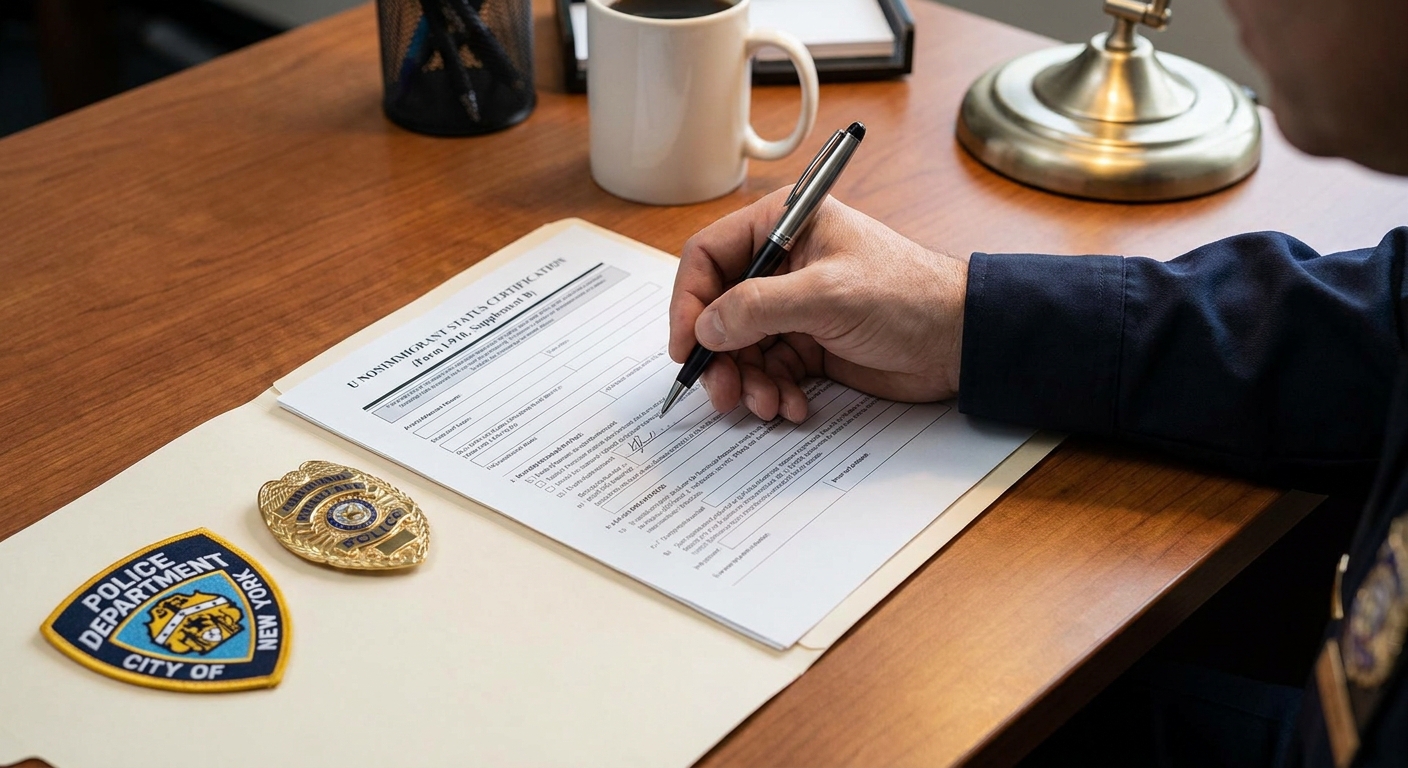
The certifying agency must be able to attest to the person’s helpfulness in a covered stage. From the time cooperation begins, the petitioner must not unreasonably refuse to provide information or assistance that a responsible authority requests. That responsibility can continue after filing.
When the victim was under 16 when the qualifying activity first occurred, or is incapacitated or incompetent and unable to help, a parent, guardian, or next friend may provide the required information and assistance. That provision does not remove the other eligibility requirements.
What Form I-918 Supplement B proves
Form I-918 Supplement B is the U Nonimmigrant Status Certification. A principal petitioner must submit a properly completed certification that identifies the qualifying activity and describes the petitioner’s helpfulness. It is evidence from the certifying authority, not an approval of U nonimmigrant status.
The certification must be signed by the head of a qualifying certifying agency, an official in a supervisory role specifically designated by that head, or a federal, state, or local judge. The authority and signature must satisfy the form instructions and the governing regulation.
Timing matters. Supplement B must be signed within the six months immediately before the principal petition is filed. An older certification does not satisfy that filing requirement, even if it accurately describes the underlying activity.
A valid certification does not guarantee approval. USCIS still decides whether the person suffered substantial abuse, possesses the required information, meets the jurisdiction element, is admissible or eligible to request a waiver, and has supported the complete petition.
Evidence that can support U visa eligibility
Evidence should be organized around each requirement, not presented as an undifferentiated stack of records. The USCIS Form I-918 filing instructions identify the required filing materials and the types of supporting evidence USCIS may consider.
- Victimization and qualifying activity. Agency records, court documents, police records, declarations, and other reliable materials may identify what occurred and the law involved.
- Substantial abuse. Medical or psychological records, photographs, personal statements, and statements from people with direct knowledge may document the nature, duration, severity, and effects of the harm.
- Information and helpfulness. Supplement B is required for the principal petition. Statements, correspondence, records of interviews, or other agency documents may provide context for the information and assistance given.
- Jurisdiction. Records should show where the activity occurred or how a federal law with extraterritorial reach applies.
- Admissibility. The filing should identify relevant immigration or criminal history and include Form I-192 when an applicable ground requires a waiver request and the law permits one.
A missing police report does not automatically end the evidence analysis. Other records may help establish victimization and abuse, but they do not replace the required Supplement B. The strength and relevance of each document depend on the individual facts.
Can inadmissibility affect eligibility?
Yes. U visa eligibility can be affected by immigration history, criminal history, prior statements to immigration authorities, and other facts that raise grounds of inadmissibility. The result cannot be determined from a short checklist because each ground has its own legal elements, exceptions, and available forms of relief.
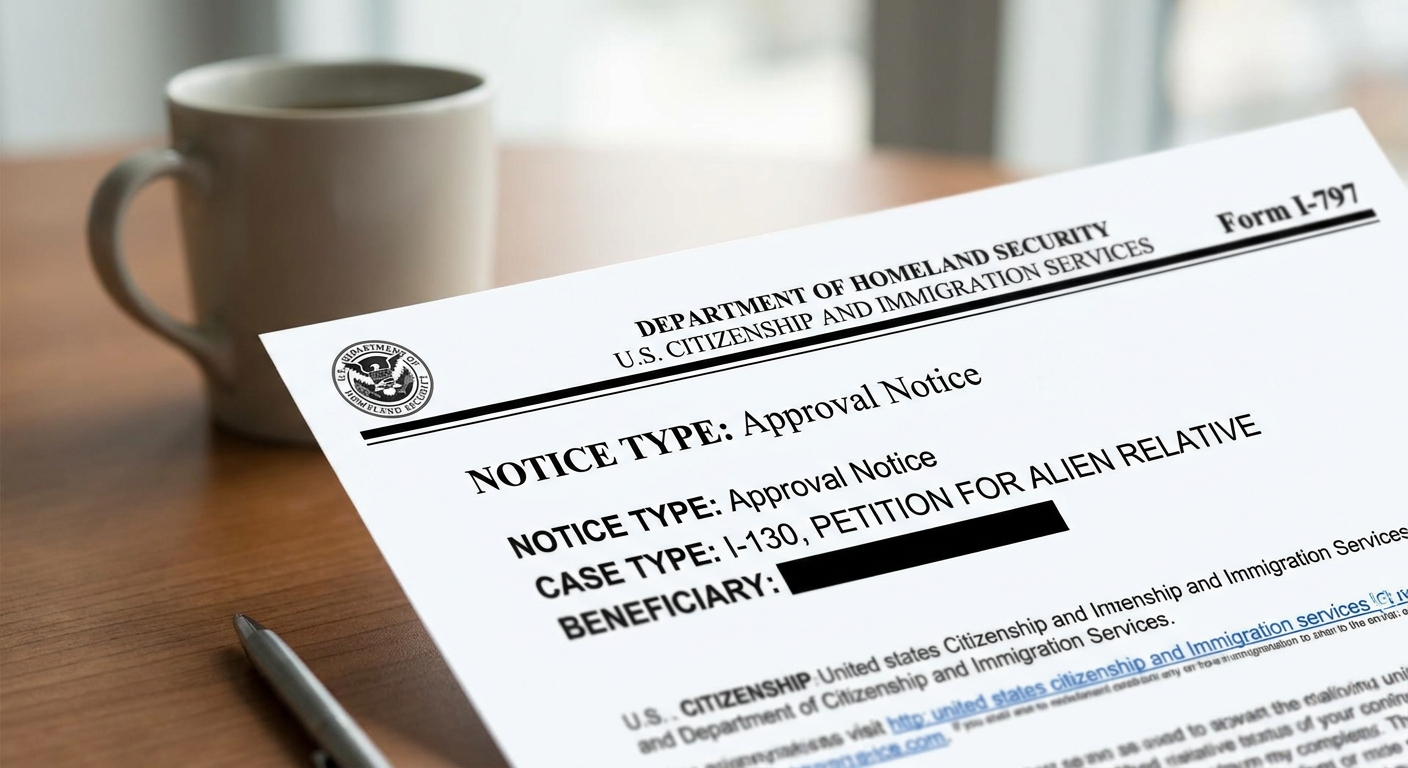
If a ground applies, the person must request permission to waive it through Form I-192 when the law gives USCIS authority to consider that request. Not every ground can be waived, and filing the form does not guarantee a favorable discretionary decision.
Approval of U nonimmigrant status should not be described as automatically erasing an unlawful presence bar or another ground. The exact ground, the waiver authority, and the evidence all need separate review. These distinctions also explain why U visa denial reasons belong in their own analysis.
Next steps after an eligibility review
A principal applicant’s eligibility does not automatically resolve which relatives may seek status. The rules for U visa derivative beneficiaries require a separate review of the family relationship and the principal petitioner’s circumstances.
Employment authorization is also distinct from proving the six threshold elements. Questions about a U visa work permit should be analyzed at the appropriate stage without treating work authorization as an automatic result of an eligibility assessment.
A sound eligibility assessment does not predict when USCIS will act. U visa processing time is a separate question, and published timing information can change as USCIS handles pending filings.
Permanent residence requires another legal analysis after U status. A possible U visa to green card path has separate requirements, so it should not be assumed from a favorable U visa decision.
A careful review should separate the six threshold requirements from later process questions. If you want a fact-specific assessment, a U visa lawyer in Phoenix at Zava Immigration Law Group can review the crime, certification, evidence, and possible inadmissibility concerns with you.
Frequently asked questions about U visa eligibility
Can I still qualify if no one was arrested or charged?
An arrest, charge, or conviction is not an independent filing requirement. The certifying authority must still be able to confirm the qualifying activity and your past, present, or likely helpfulness in a covered stage, and USCIS evaluates every other eligibility element.
What if I do not have a police report?
Other reliable records may help establish victimization and substantial abuse when a police report is unavailable. Those materials do not replace Form I-918 Supplement B, which remains required for a principal petition.
Is there a filing deadline after the crime?
Older events require an individual review rather than a categorical answer about timing. Whatever the age of the event, Supplement B must be signed within the six months immediately before the principal petition is filed.
Do I need physical injuries?
No. Substantial mental abuse may satisfy the requirement, but USCIS weighs the nature, severity, duration, and effects of the harm together. A diagnosis or record can support the analysis without deciding it automatically.
What if I was initially afraid to help law enforcement?
Initial fear does not always end the analysis because helpfulness may be past, present, or likely in the future. The person must not unreasonably refuse later requests for information or assistance, and the certifying agency must still attest to the relevant helpfulness. USCIS decides the complete petition.
Can I file while I am in removal proceedings?
A final removal order does not by itself prevent someone from filing Form I-918. Filing the petition alone does not restrict ICE’s authority to execute the order, so any effect on removal proceedings or enforcement requires a separate, fact-specific legal analysis.
Sources and official resources
- USCIS guidance on U nonimmigrant statusOfficial source
- USCIS Form I-918 filing instructionsOfficial source
- USCIS: Immigration Options for VictimsOfficial source
- USCIS Policy ManualOfficial source

Jessica Anleu (formerly Jessica Lewis) is an experienced immigration lawyer in Phoenix with a decade of immigration experience.
All PostsRelated Posts
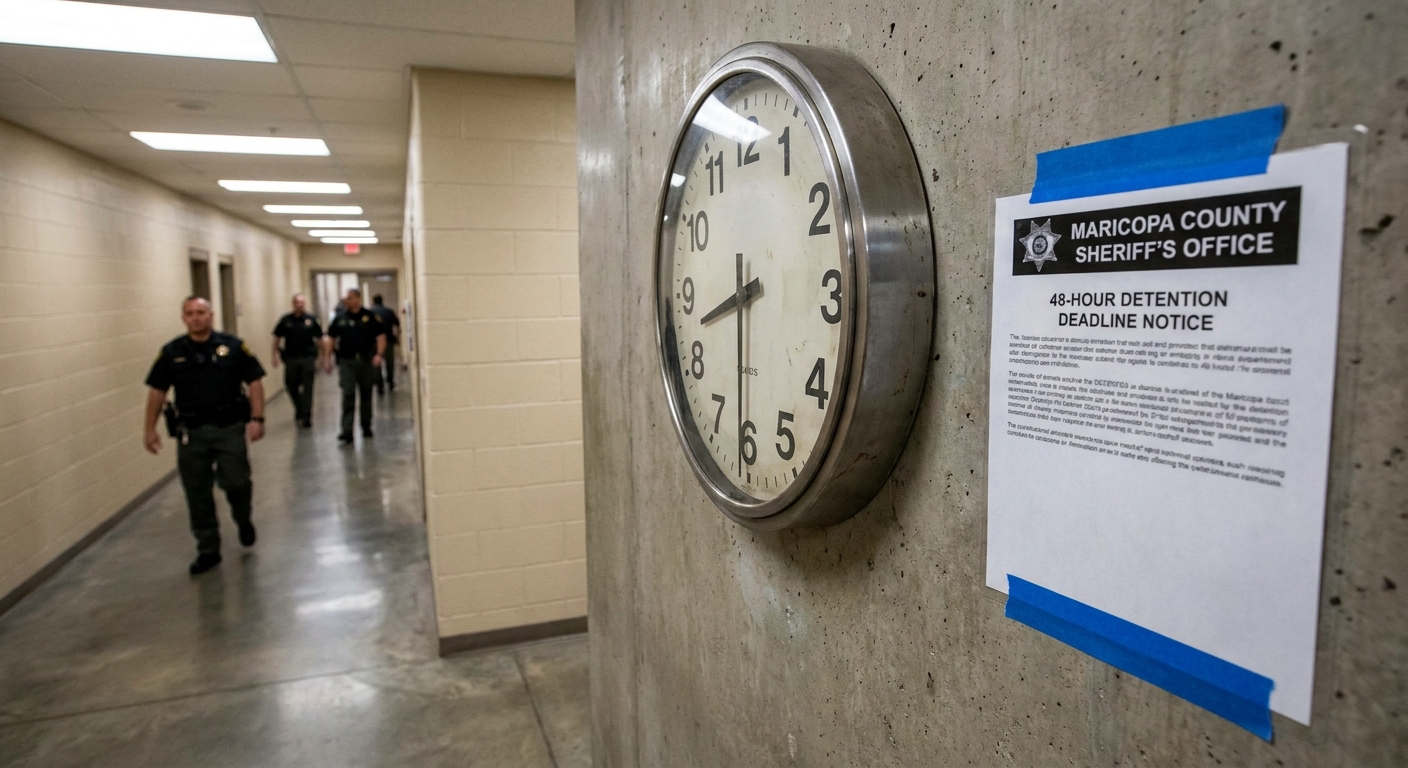
An immigration detainer and the 48 hour hold in Maricopa County
What an immigration detainer really means for a 48 hour hold in a Maricopa County jail, and the exact steps families should take before that window closes.
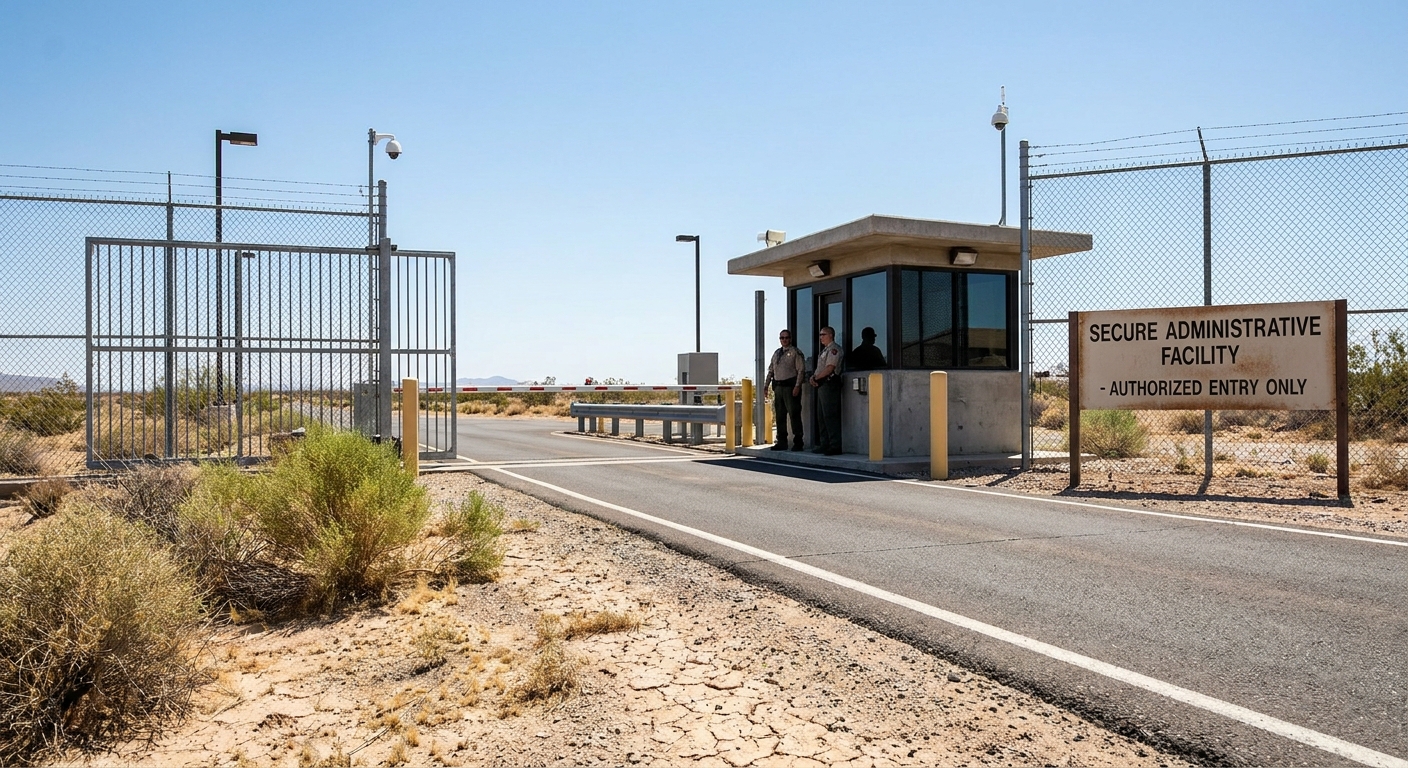
Preparing for your hearing at the Florence immigration court
The Florence immigration court operates inside one facility, but a nearby complex often gets confused with it. Here is how to tell them apart.

How the judge decides if you go home at an immigration bond hearing
An immigration bond hearing decides if you can leave detention while your case continues. Here is what the judge weighs before deciding your case.
Your privacy, your choice
With your permission, Google Analytics and Microsoft Clarity help us understand site use. Google Ads and Meta measure advertising. You can decline all or choose each category. Forms work with any choice.
Checked options stay off until you save them.