
Asylum lawyer in Phoenix to protect you when going back is not an option
As asylum lawyers in Phoenix, we build each case so the process works the way it should: a real path to protection for people who need it. Applicants with legal representation are five times more likely to be granted asylum.
Which of these situations applies to you?
What determines your path is not just what happened to you, but when you arrived, how you entered and what has happened since.
You left your country because staying meant risking your life or your family’s safety. You are in the United States now, but without a legal status that protects you. Asylum is the process designed for people in your situation, and the first step is determining whether what you experienced falls within the grounds the law recognizes.
If you already have a notice to appear before an immigration judge, defensive asylum may be your strongest defense against deportation. It is a different process from affirmative asylum and is litigated in court, not before USCIS. It requires specific legal preparation and representation from the first hearing.
Not all persecution looks the same. Sometimes it is not direct physical violence but threats, extortion, systematic discrimination or government pressure. Many people who qualify for asylum do not realize it because they believe their situation is “not serious enough.” A professional evaluation can clarify whether your experience meets the legal standard.
The law requires filing your asylum application within one year of your arrival in the United States. But there are recognized exceptions that may reopen that window. If you did not file on time due to circumstances beyond your control or because conditions in your country changed, there may still be options.
A denial does not necessarily mean the end. If an asylum officer denied your affirmative case, it is generally referred to immigration court where a judge reviews it from the beginning. If it was a judge who denied it, you can appeal to the Board of Immigration Appeals. There are also alternative forms of protection your asylum attorney can evaluate.
Certain criminal convictions can create a bar to asylum, but not all of them. The severity of the offense, the circumstances and how the case is presented make the difference. As a firm that also handles criminal defense, we assess the immigration impact of your record and determine whether asylum is still viable or whether an alternative route such as an immigration waiver is the better path.
What situations qualify for asylum in the United States?
Experiencing general violence or instability is not enough. There must be a link between what happened to you and one of these reasons.
Not sure if your situation qualifies?
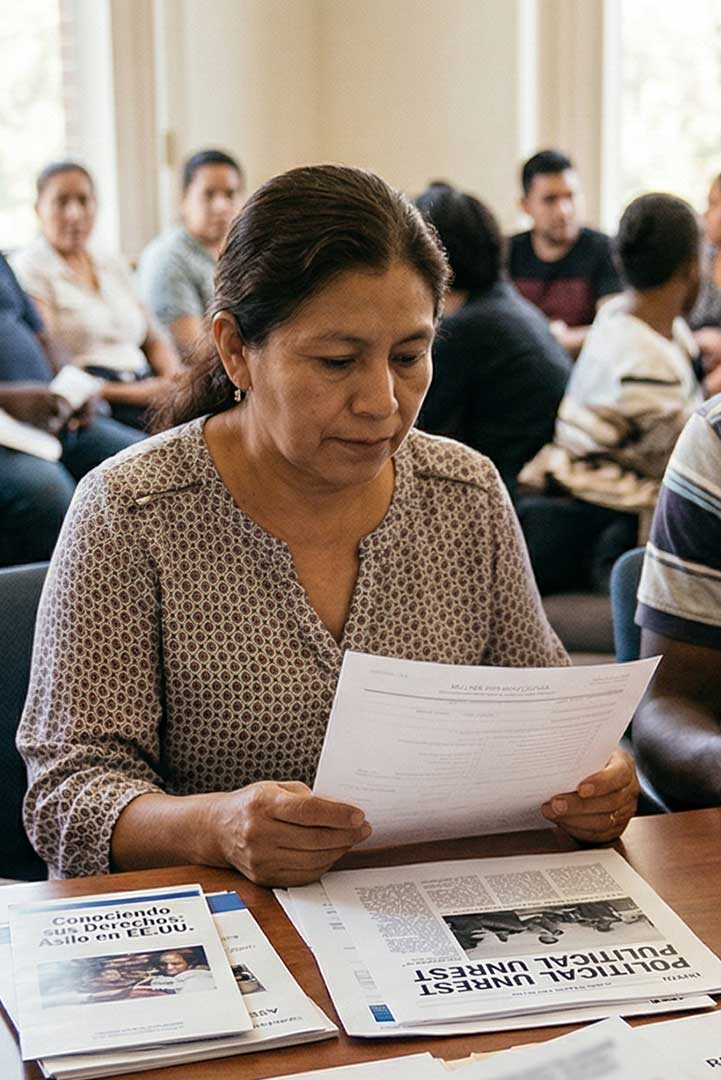
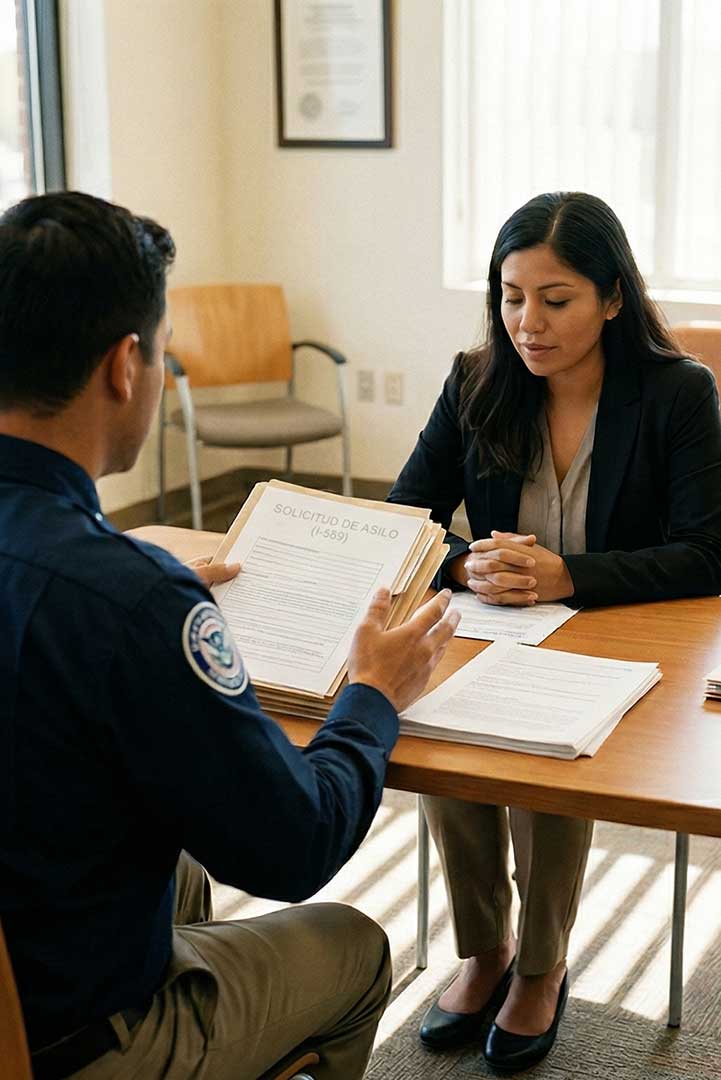
What is the difference between affirmative and defensive asylum?
Affirmative asylum is for individuals who are in the United States and have not yet been placed in removal proceedings. The application is filed with USCIS and reviewed by an asylum officer in a non-adversarial interview. If the officer does not approve the application, the case is generally referred to immigration court where a judge evaluates it again. In other words, an affirmative denial is not necessarily a final denial.
Defensive asylum applies when you are already in removal proceedings before an immigration judge. This may be because you were detained at the border, because your status expired or because your affirmative case was referred to court. Here, asylum is raised as a defense against deportation. The hearing is adversarial: a government attorney argues against your case. Legal preparation in this scenario is not optional. It is what separates a case that succeeds from one that ends in a removal order.
The one-year deadline that can close your case
The law requires that you file your asylum application within one year of your last arrival in the United States.
This deadline is strict and missing it can mean losing access to asylum regardless of how strong your persecution claim may be.
If the year has already passed, the law recognizes two types of exceptions. Changed circumstances: if conditions in your country worsened after your arrival, if new threats emerged against you or if something in your life changed in a way that is relevant to your case.
Extraordinary circumstances: if something beyond your control prevented you from filing on time, such as a serious illness, being the victim of a crime or having received deficient legal advice from a prior attorney. In both cases, the application must be filed within a reasonable period after the circumstance ends.
If no exception applies, there are still two forms of protection with no filing deadline. Withholding of removal prevents your deportation to the country where you face persecution, but requires a higher burden of proof: you must show it is more likely than not that you would be persecuted.
Protection under the Convention Against Torture (CAT) applies if you can demonstrate you would be tortured with the involvement or acquiescence of a government official. Neither offers the same benefits as asylum. There is no direct path to a green card, you cannot include family members as derivatives and you cannot travel with a refugee travel document. But they can prevent your deportation to the country where your life is in danger. They are real options evaluated when direct asylum is no longer viable.

What makes a strong asylum case?
The officer or judge evaluates whether your account is consistent, detailed and believable. A vague statement with imprecise dates or contradictions between your written application and your interview testimony can cause a legitimate case to fail.
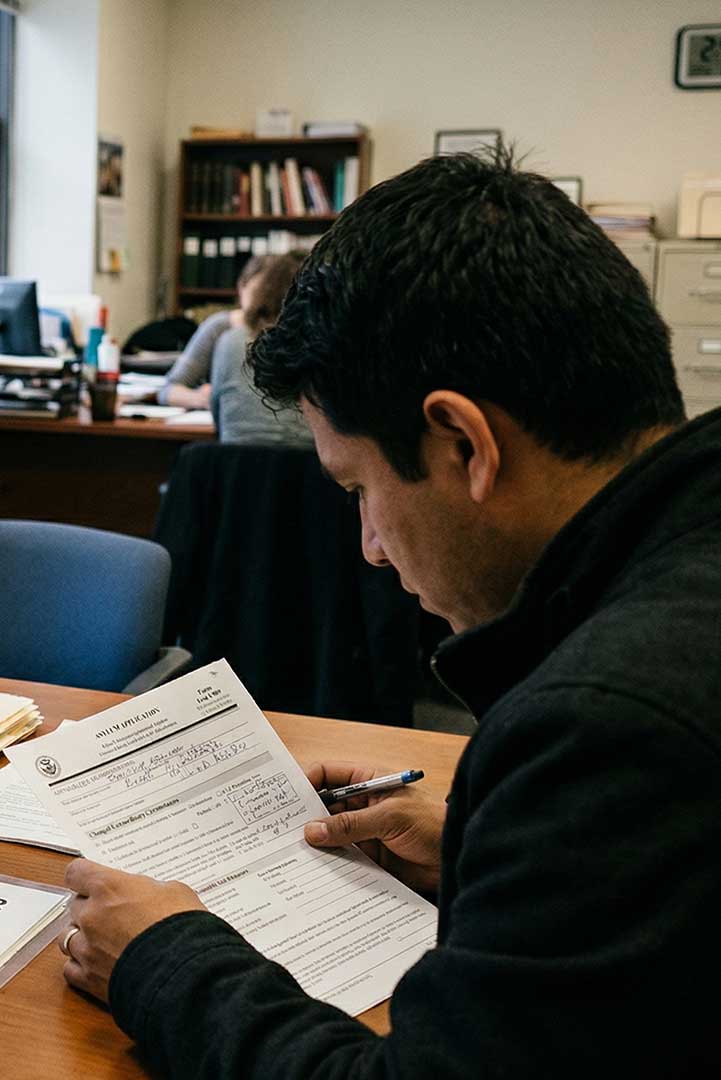
Your personal declaration is the centerpiece. It is a first-person narrative describing what happened to you, who persecuted you, when it occurred, how it affected you and why you cannot return. It must be specific, chronological and consistent with the rest of your evidence.
Supporting documentation includes, among other elements:
A case is not necessarily lost because you lack all of these documents. But every piece of evidence that is missing is a gap the officer can fill with doubt. The difference between a case that is granted and one that is denied often comes down to how the evidence is organized and presented, not whether the persecution actually occurred.
How we handle your asylum case in Phoenix
An asylum case is not resolved with a form. It is built through analysis, strategy and preparation for every stage of the process.

We evaluate your situation and define the strategy
The first step is determining whether your experience fits within the grounds for asylum, whether you are within the one-year deadline or qualify for an exception, and whether any factors could complicate your case. If asylum is not the best path, we tell you directly. If it is, we define whether the route is affirmative or defensive and what evidence we need to gather.

We build the evidence and prepare your declaration
Your personal declaration is the foundation of your case and we prepare it with you. We identify what country condition documentation supports your account, coordinate medical or psychological evaluations when the case requires it and organize all the evidence into a package that presents your situation clearly and persuasively for the person reviewing it.

We represent you at the interview or hearing
If your case is affirmative, we accompany you to the interview with the asylum officer, prepare you for the questions you will face and make sure your story is communicated fully. If it is defensive, we represent you before the immigration judge in Phoenix court, present arguments, examine witnesses and respond to the government attorney.
What can you do while waiting for a decision?
The asylum process can take months or years depending on the caseload of the assigned asylum office or immigration court.
In the meantime, there are practical matters you need to know about.
You can apply for an Employment Authorization Document (EAD) after your asylum application has been pending for the period established by current regulations. The timelines for obtaining an EAD have changed in recent years. An up-to-date asylum lawyer can advise you on the specific deadlines that apply to your case.
If you are granted asylum, your spouse and unmarried children under 21 can receive derivative asylee status through your case. If they are already in the United States, they are included in your application. If they are abroad, you can petition for them to join you within two years of your approval using Form I-730.
Traveling while your case is pending is generally not recommended. Leaving the country without proper authorization may be treated as abandonment of your application. And returning to the country you claim to be fleeing can be used as evidence that your fear is not genuine.
After asylum: permanent residence and citizenship
One year after being granted asylum, you can apply for permanent residence through adjustment of status. In fact, the law requires it. Once you have your green card, the path to U.S. citizenship follows the same rules as for any permanent resident, generally five years of continuous residence, though exceptions may shorten that timeline.

Frequently asked questions about asylum
Can I apply for asylum if I entered the United States without documents?
Yes. The manner in which you entered does not disqualify you from seeking asylum. The law allows you to apply regardless of whether you arrived with a visa, crossed without inspection or overstayed. What matters is whether you meet the grounds and file within the deadline.
What happens if more than a year has passed since I arrived?
There may be exceptions that allow a late filing if there were changed or extraordinary circumstances. If no exception applies, you may still be eligible for withholding of removal or protection under the Convention Against Torture, neither of which has a filing deadline. An asylum attorney can evaluate which option is best for your situation.
Can I work while waiting for a decision on my case?
You can apply for a work permit (EAD) after your asylum application has been pending for the period established by current regulations. The timelines have changed in recent years due to regulatory updates. Your asylum lawyer can tell you exactly when you are eligible to apply based on the rules in effect for your case.
What happens if my asylum case is denied?
It depends on where you are in the process. If an asylum officer denies your affirmative case, it is generally referred to immigration court where a judge reviews it from the beginning. If a judge denies it, you can appeal to the Board of Immigration Appeals within 30 days. A denial is not necessarily the end.
Can I include my family in my asylum application?
Yes. Your spouse and unmarried children under 21 can receive derivative asylum through your case without needing to prove their own persecution. If they are in the United States, they are included in your application. If they are abroad, you can petition for them to join you within two years of your approval using Form I-730.
What is the difference between affirmative and defensive asylum?
Affirmative asylum is filed with USCIS when you are not in removal proceedings. The interview is non-adversarial. Defensive asylum is litigated before an immigration judge as a defense against a removal order, with a government attorney present. You do not choose which to use: it depends on your immigration situation at the time of filing.
How long does the asylum process take?
Timelines vary significantly. An affirmative case can take anywhere from a few months to several years depending on the assigned asylum office. Defensive cases depend on the immigration court backlog, which in many jurisdictions stretches several years. Your attorney can give you an estimate based on your specific office or court.
Can I apply for asylum if I have a criminal record?
It depends on the type and severity of the offense. Certain convictions can create a bar, but not all automatically disqualify you. The law distinguishes between offenses that are “particularly serious crimes” and those that are not. Even with a criminal record, you may be eligible for asylum or another form of protection. It is essential that your attorney know your full criminal history to assess how it affects your case.
Do I need a lawyer to apply for asylum?
It is not legally required, but the difference is significant. Data shows that individuals with legal representation are five times more likely to be granted asylum than those who go unrepresented. The process involves forms, strict deadlines, evidence preparation and interviews or hearings where how you present your story can determine the outcome.
Can I travel outside the United States while my case is pending?
It is not recommended. You would need to obtain advance parole before leaving, and returning to the country you claim to be fleeing can seriously damage your case. Any international travel while your application is pending should be discussed with your attorney before making a decision.
Your safety cannot wait
Call (602) 795-5550 or after hours (866) 305-2434
Contact us today
We are here to help you with all your immigration needs. Contact us today to schedule a consultation with one of our experienced attorneys. We will listen to your unique situation and provide you with personalized advice and guidance.