
Immigration habeas corpus attorney for ICE detention cases
Most families do not know whether what is happening is a normal part of the immigration process or whether it is an unlawful detention that can be challenged in court. Uncertainty grows when there are no clear explanations, when the case does not move forward, and when custody continues without a basis that makes sense.
The legal limits of immigration detention in the United States
ICE detention is not unlimited or absolute. It is regulated by constitutional standards, due process principles, and federal legal criteria that determine when custody may continue and when it may be challenged.
When there are legitimate doubts about whether detention is justified, whether it extends beyond what is legally reasonable, or whether procedural irregularities exist, federal law allows a court to review the situation. This is not about personal opinion; it is about determining whether custody truly meets the legal standards required by law.
At that point, immigration habeas corpus may be considered, a specific legal tool used to challenge the legality of detention before a federal court. It is not the first option in every case, nor does it automatically replace other immigration procedures, but it can become an important legal avenue when strong grounds exist.
Before deciding whether filing a federal habeas petition is viable, it is essential to understand how this legal mechanism works and under what circumstances it can be used strategically.
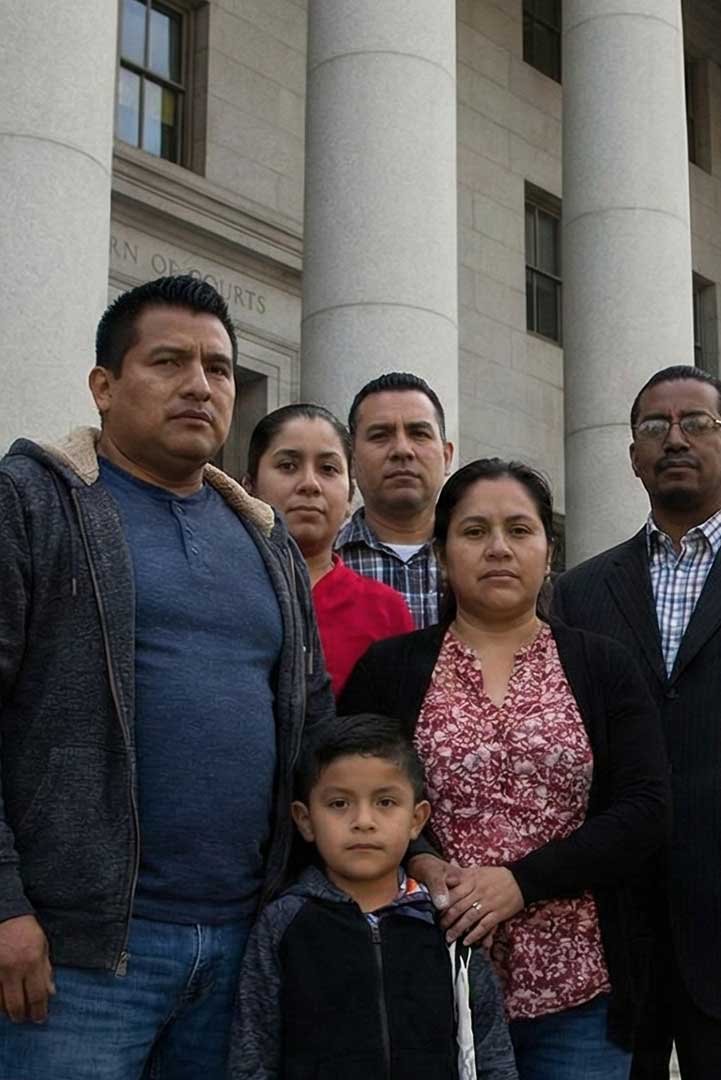
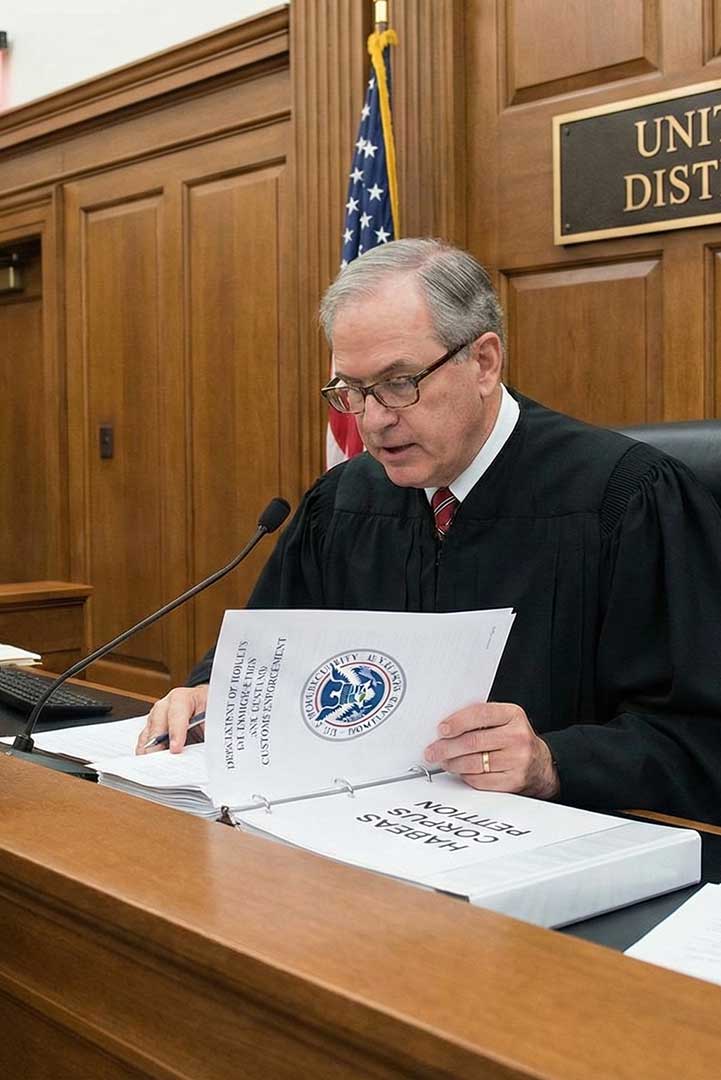
Understanding what immigration habeas corpus is and how it applies to ICE detention
Immigration habeas corpus allows a person to directly challenge whether they should remain detained or whether legal grounds exist for that custody to end.
In practical terms, it permits filing a petition before a federal judge to determine whether the detention complies with the law or whether the situation should be modified.
It applies when specific circumstances justify judicial review of the detention — for example, when the legal basis for custody is unclear, when the process contains significant procedural defects, or when continued detention no longer appears legally sustainable. It does not reopen the entire immigration case; instead, it focuses specifically on whether detention may lawfully continue.
In these situations, a habeas corpus attorney reviews the full context, identifies the precise legal issue that may be challenged, and, when sufficient grounds exist, prepares a federal habeas petition so a judge can determine whether detention should continue or be adjusted in accordance with the law.
Is something like this happening to you?

How our immigration habeas corpus attorneys protect your rights
We do not approach these matters casually. We analyze the full context, identify the precise legal issue that may be challenged, and determine whether filing a habeas corpus petition is the most appropriate path. If it is not, we evaluate what other immigration legal strategies may better protect your rights.

Comprehensive review of the detention history

Evaluation of potential due process violations

Strategic development of a habeas corpus petition when appropriate

Full strategic review of the immigration case
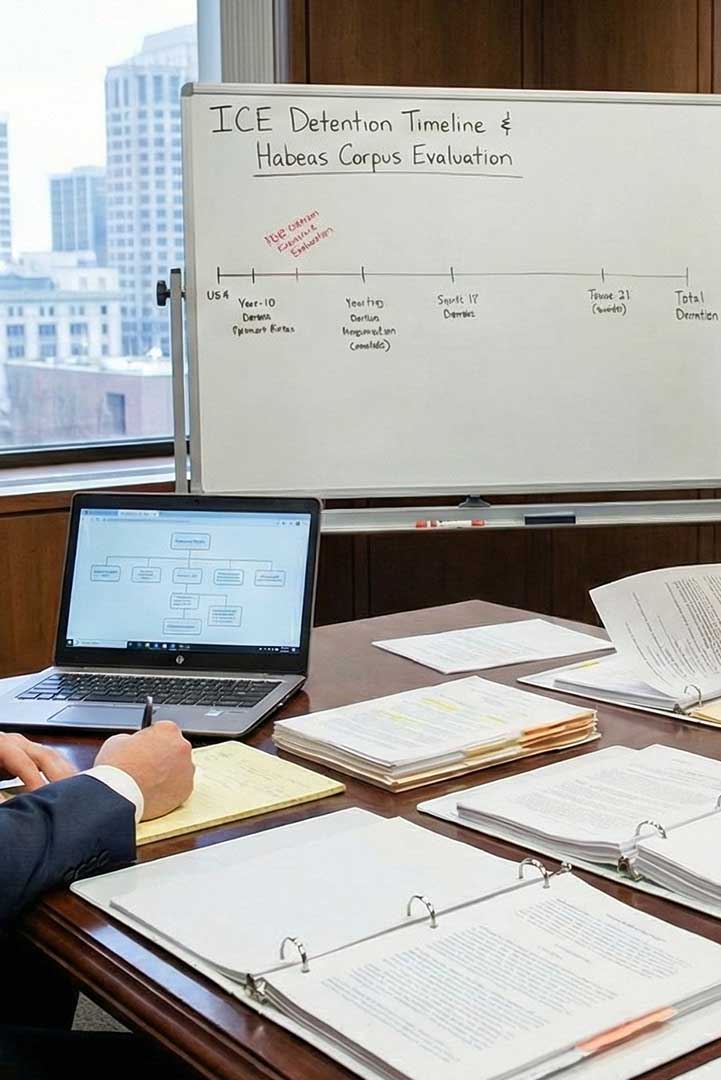
What we analyze when you contact us to evaluate your case
Why legal representation is critical in immigration habeas corpus cases?
A federal habeas petition is not simply filing paperwork; it involves constructing a solid legal argument before a federal court to challenge the legality of ICE detention.
In these cases, details matter. It matters how the detention history is presented, which legal grounds are challenged, in which jurisdiction the action is filed, and how due process arguments are structured. An error in any of these areas can delay the case or result in dismissal without a review of the merits.
For that reason, legal representation is essential. A habeas corpus attorney understands not only the immigration system but also the standards applied by federal courts in detention cases. That combination transforms a sense of injustice into a concrete legal strategy.

Experience with detention centers in Arizona
Immigration detention in Arizona presents specific dynamics that influence immigration habeas corpus strategy. Our team regularly works with ICE detention cases in the region, allowing us to analyze each situation with practical knowledge of the operational and legal environment.

Our immigration attorneys have handled cases connected to the Eloy detention center, understanding its procedural timelines, transfer practices, and administrative coordination. This experience allows for a more precise evaluation of when detention may be challenged through a federal habeas petition.
In cases related to the Florence detention center, we analyze the procedural context and applicable federal jurisdiction to determine whether custody may be legally challenged. Our experience with immigration detention in Arizona helps identify solid legal grounds when they exist.
If ICE detention raises legal concerns, it is time to act
Frequently asked questions about immigration habeas corpus
Does habeas corpus apply to immigration cases?
Yes. Immigration habeas corpus can be used to challenge the legality of ICE detention before a federal court when legal grounds exist to question custody.
What is a federal habeas petition in an ICE detention case?
It is a legal action filed in federal court asking a judge to review whether immigration detention complies with the law and due process standards.
When can habeas corpus be used in immigration detention?
It may be considered when significant legal concerns arise regarding custody, such as procedural defects, lack of a clear legal basis, or circumstances suggesting unlawful or prolonged detention.
Is immigration habeas corpus the same as an immigration bond?
No. Habeas corpus challenges the legality of detention in federal court, while an immigration bond is a separate mechanism within the immigration court system.
In which court is a habeas corpus petition filed?
It is generally filed in the federal court that has jurisdiction over the location where the individual is detained, although jurisdiction depends on the specific circumstances.
Can filing a habeas corpus petition worsen the immigration case?
Each case must be carefully evaluated. Before filing a federal habeas petition, potential risks and strategic implications should be analyzed within the broader immigration context.
How long does an immigration habeas corpus case take?
Timing varies depending on the complexity of the case, the federal jurisdiction, and the type of review requested. There is no single timeline that applies to all cases.
What happens if the detained person is transferred to another center, such as Eloy or Florence?
Transfers may affect jurisdiction and legal strategy, making it important to reassess the case promptly if relocation occurs.
What information is needed to evaluate a habeas corpus case?
Helpful information includes the detention date, the facility where the person is held, procedural history, and any documentation or case numbers related to immigration custody.
Is it necessary to hire a habeas corpus attorney?
While individuals have the right to file on their own, immigration habeas corpus is a technical federal action with strict procedural requirements. An experienced habeas corpus lawyer can properly structure the petition and supporting legal arguments.
Contact us today
We are here to help you with all your immigration needs. Contact us today to schedule a consultation with one of our experienced attorneys. We will listen to your unique situation and provide you with personalized advice and guidance.