
Consular processing lawyer in Phoenix to help you bring your family to the United States
As consular processing lawyers, we work with families who are at that exact point: the petition is moving forward, the wait continues, but no one has clearly explained what comes next, what could go wrong or how to prepare for the interview that decides everything.
Looking for a path to permanent residence for you or a family member abroad?
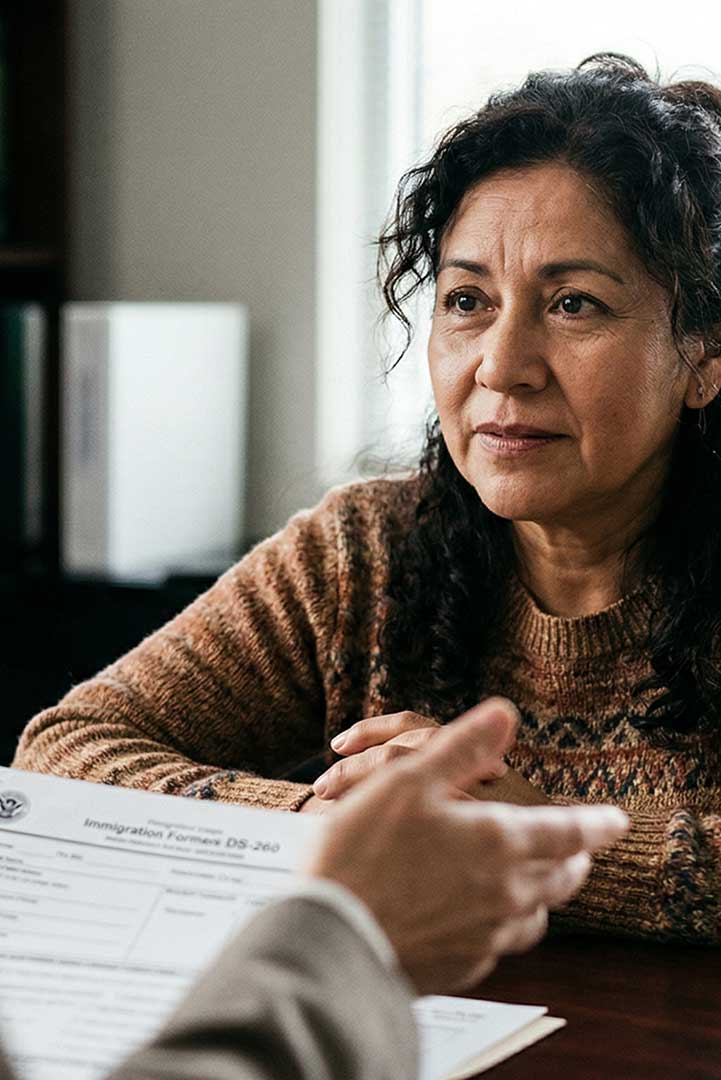
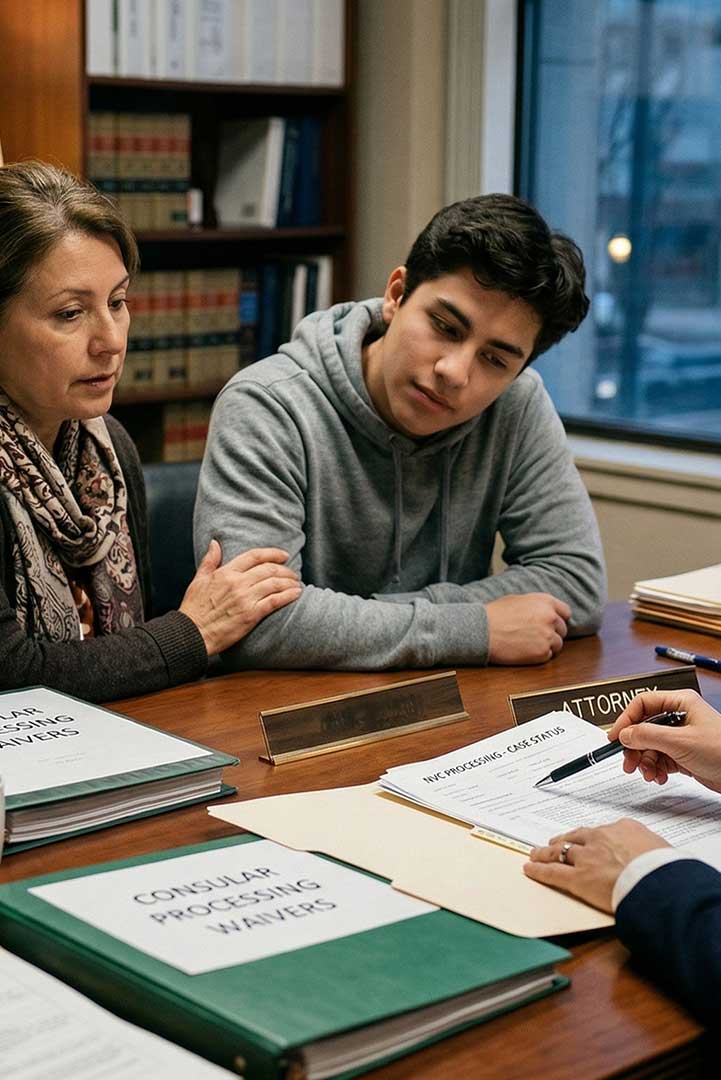
Situations where a consular processing attorney can help
If any of this sounds familiar, it is worth reviewing your case with a lawyer before making a decision that may be difficult to reverse.
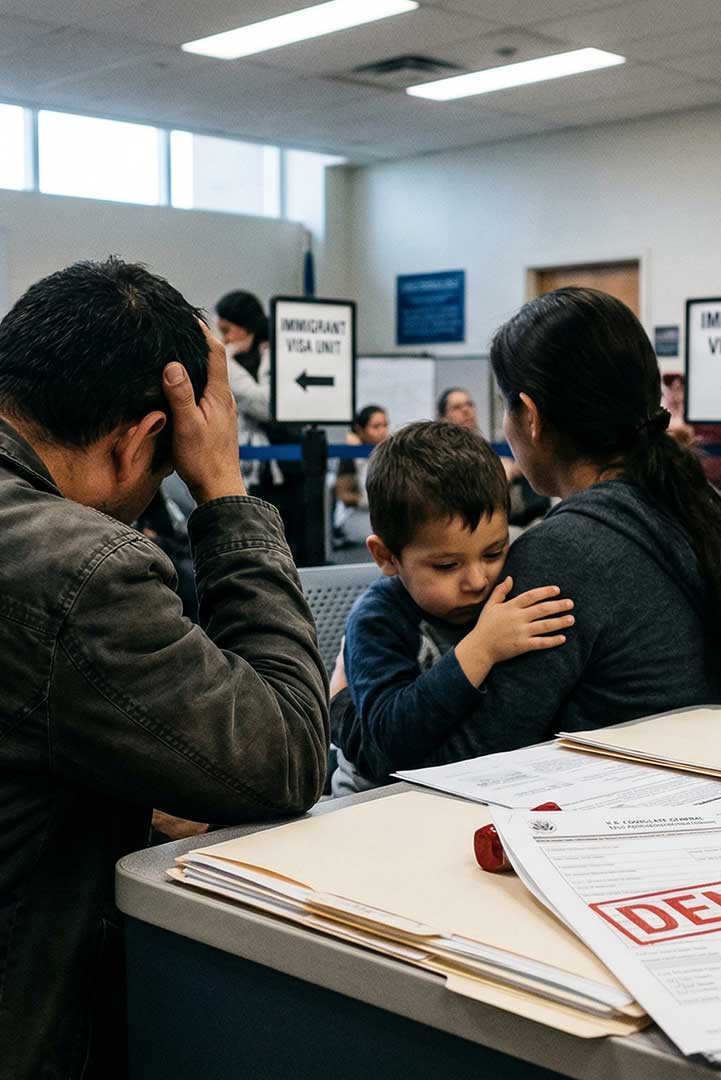
What a poorly prepared consular process can cost you?
This happens because three separate agencies handle your case (USCIS, the National Visa Center and the consulate), each with their own forms, deadlines and requirements. That means a small mistake at one stage can become a serious problem at the next, and it is one of the main reasons why working with a consular processing lawyer from the start makes a real difference.
On top of that, when there is an immigration history (entry without inspection, overstay, prior deportation), failing to file an immigration waiver in time can trigger a 3 or 10-year bar from the United States. It is one of the most common situations we handle, and also one of the most preventable when the case is analyzed early.
How we handle your consular processing case to reach approval?
That is why we do not work in isolated pieces: we build a complete strategy from day one and carry it through with you until the interview.

Full case analysis before any filing

Petition preparation and filing

Document coordination with the NVC

Strategic interview preparation
Waiver integration when your case requires it
What we review when you contact us?
With that information we can tell you whether consular processing is viable for your case, what obstacles to anticipate and what the most direct path to approval looks like.
Our consular processing lawyers in Phoenix, Arizona
Office in Phoenix, Arizona
Monday to Friday: 8:30 AM to 5:30 PM
After office hours
If your family is waiting, every day matters
Call (602) 795-5550 or after hours (866) 305-2434
Frequently asked questions about consular processing
How much does a consular processing lawyer cost?
The cost depends on several factors: the complexity of your case, whether the petition has already been filed or needs to be prepared, whether you need an immigration waiver and what stage you are at. Since every situation is different, the best approach is to contact us for an estimate based on your specific case.
How long does consular processing take from start to finish?
If the petitioner is a U.S. citizen, generally between 12 and 18 months. If they are a permanent resident, it can take 2 to 5 years or more depending on the preference category. Once the case reaches the NVC, the documentation and interview scheduling phase typically takes between 5 and 13 additional months.
How can I check if my priority date for consular processing is current?
Your priority date appears on the Form I-797 that USCIS sends when the petition is approved. To find out if it is current, compare it monthly with the Visa Bulletin published by the Department of State. If your date is earlier than the one listed for your category, you can move forward with consular processing.
Consular processing or adjustment of status, which one is right for me?
What options do I have if I entered without inspection and need a consular processing attorney?
If you entered without going through an official port of entry, adjustment of status is generally not available. Consular processing may be an option, but leaving the country could trigger a 3 or 10-year inadmissibility bar. That is why an immigration waiver may be necessary before the interview, and analyzing your case with a lawyer before making that decision is essential.
What can I do if my visa was denied during consular processing?
It depends on the reason. A denial under section 221(g) generally allows you to submit additional documentation for reconsideration. If it was based on a ground of inadmissibility, it may require an immigration waiver. In any case, you can reapply with better preparation.
Do I need an immigration waiver before my consular processing interview?
Not always. But if you have grounds of inadmissibility (entry without inspection, overstay greater than 180 days, fraud or certain criminal history), you may need a waiver before or during consular processing. We evaluate this as an integral part of the strategy so it does not become a last-minute obstacle.
How does a consular processing lawyer prepare you for the interview?
We review your complete case, guide you on potential questions from the consular officer based on your visa category, verify that your evidence is consistent and provide specific recommendations on what to bring and how to present your situation clearly.
What are the steps of consular processing with a lawyer?
The general sequence is: immigrant petition filed with USCIS, transfer to the NVC, documentation and fee payment, interview scheduling, medical exam, consular interview and visa issuance. With a consular processing attorney, each step is prepared so nothing is left to chance.
Can I start consular processing if my I-130 petition has not been approved yet?
Formally, consular processing begins after the petition is approved. However, consulting with a lawyer beforehand allows you to prepare the petition correctly, anticipate obstacles and have all documentation ready. That preparation time can save you months once the approval comes through.
Contact us today
We are here to help you with all your immigration needs. Contact us today to schedule a consultation with one of our experienced attorneys. We will listen to your unique situation and provide you with personalized advice and guidance.