
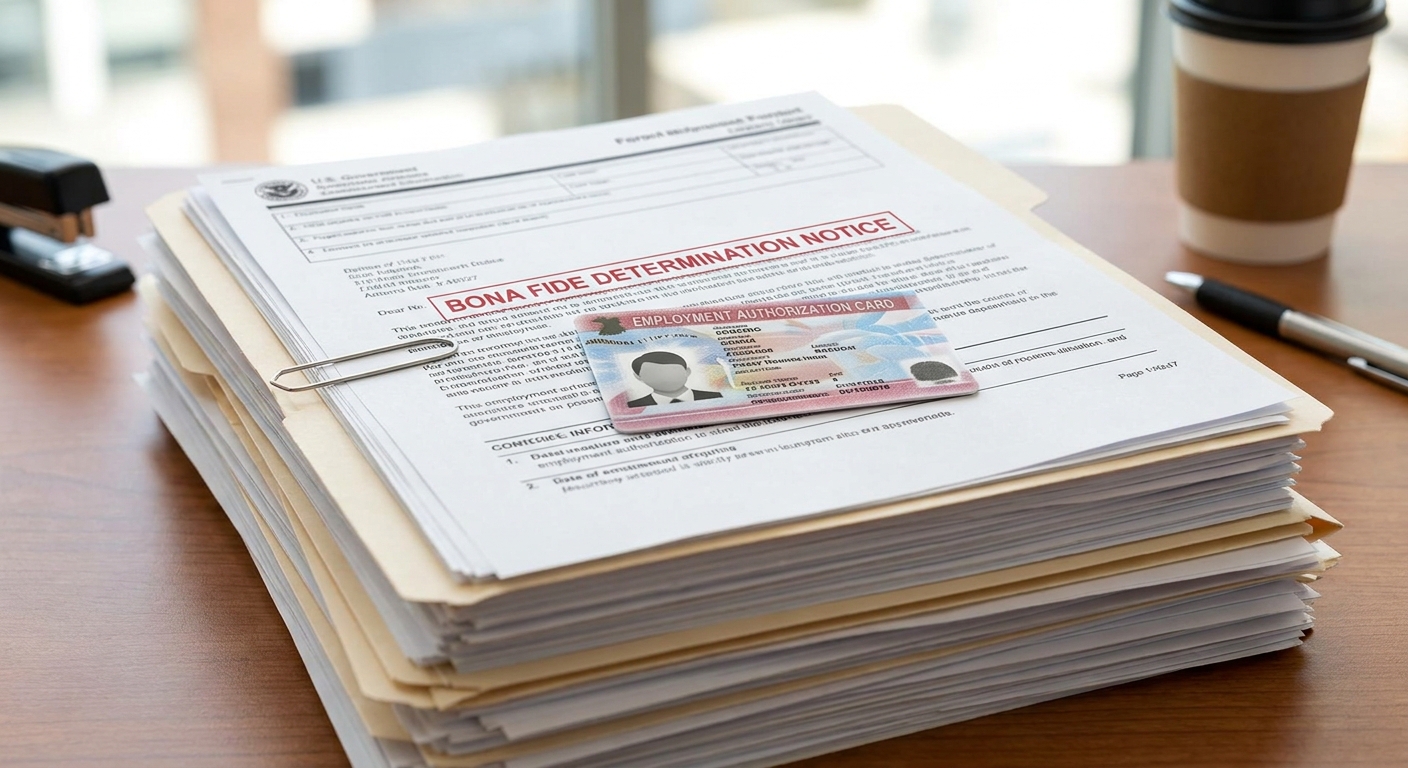
How and When You Get a Work Permit With a U Visa
Table of contents
7 minute read
Many U visa applicants worry about how they can support themselves and their families while their case is pending. The ability to work legally in the U.S. is not automatic with a u visa work permit, but comes through a specific process involving an Employment Authorization Document (EAD).
We often see U visa applicants confused about the exact moment they become eligible, especially with bona fide determinations. Our U visa lawyers can guide you through every step of the process.
Navigating U visa work permit eligibility during your wait
A pending U visa application alone does not immediately grant work authorization. USCIS recognizes the vulnerability of U visa applicants, and due to significant backlogs, they introduced a process to provide interim relief.
This relief comes primarily through a Bona Fide Determination (BFD), which can pave the way for your u visa work permit before final U visa approval. Not every applicant qualifies for a BFD; our guide on who actually qualifies for a U visa covers the underlying eligibility requirements USCIS checks first.
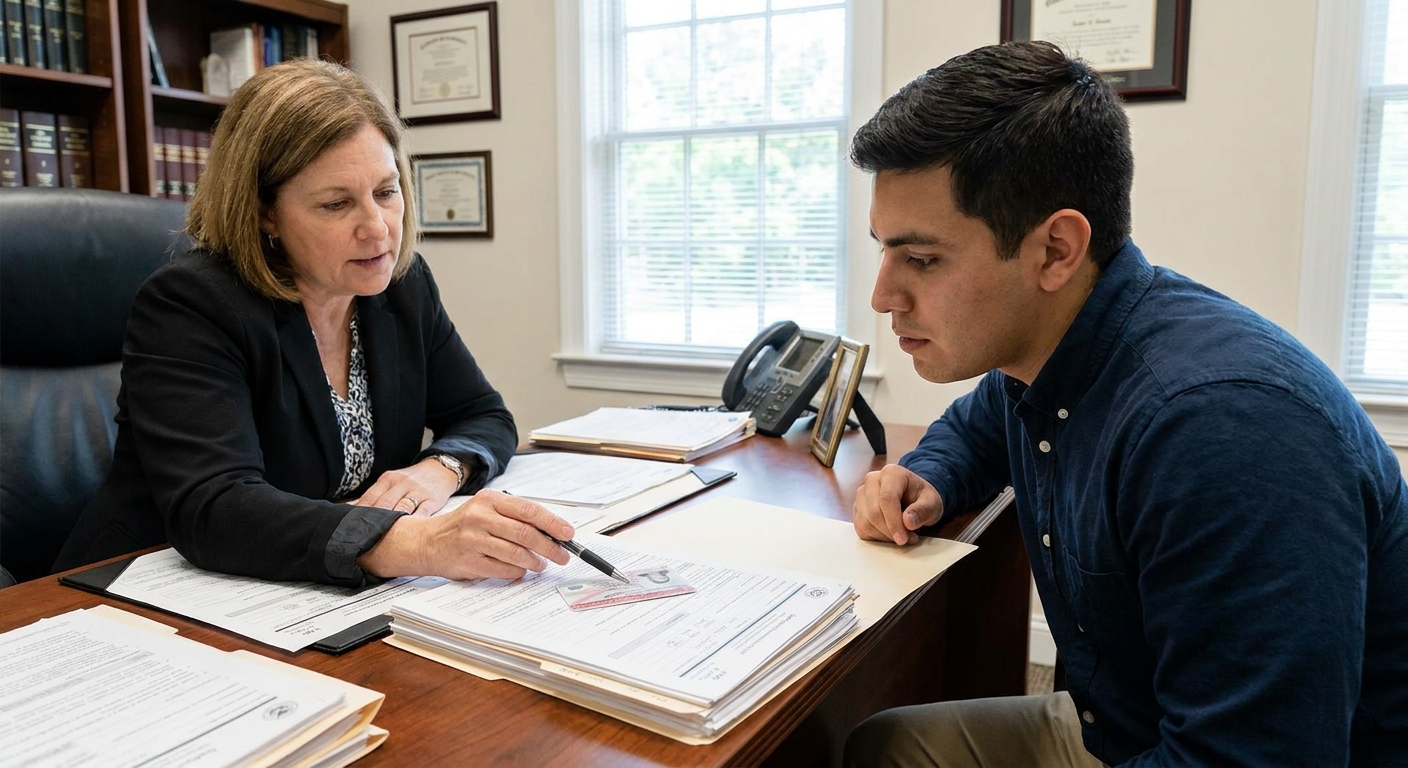
If USCIS determines your U visa petition is bona fide, it means your application appears legitimate and meets initial requirements. This determination then grants you deferred action, which protects you from deportation.
It also makes you eligible to apply for an Employment Authorization Document under category (c)(14). Processing times for a BFD are currently running at approximately 18 to 35 months from the date of filing, according to USCIS data as of June 2026.
What does a bona fide determination mean for your ability to work?
The Bona Fide Determination (BFD) is an initial review by USCIS, not a final U visa approval. During this review, USCIS checks if your U visa application is complete, properly filed, and free of national security or public safety concerns.
Consequently, you also become eligible for a u visa employment authorization document (EAD) under the (c)(14) category, typically valid for four years. Once USCIS approves your actual U visa, your EAD category shifts to (a)(19) for the principal applicant, or (a)(20) for approved derivative family members.

How do you apply for your employment authorization document?
Securing your Employment Authorization Document (EAD) involves specific steps, primarily through Form I-765. The process varies slightly depending on whether you filed this form alongside your initial U visa application (Form I-918).
- Concurrent filing with Form I-918: If you filed Form I-765 at the same time as your U visa petition, USCIS may automatically issue your EAD upon a positive Bona Fide Determination.
- Separate filing after BFD: If you did not file Form I-765 concurrently, USCIS will send you a notice after your BFD approval, inviting you to submit the application. For an initial EAD based on a BFD, the filing fee for Form I-765 is often waived.
When applying for your EAD for U visa, you generally need to include a copy of your identification, passport-style photos, and your BFD notice or U visa approval. Our work permit lawyers can help ensure your application is complete and accurate.
Can your family members also get a work permit?
Many U visa applicants have family members who also experienced harm or are dependent on them. Qualifying family members, known as derivatives, of a principal U visa applicant can also be eligible for a u visa employment authorization document. Our guide on U visa derivative beneficiaries covers who qualifies and how to include your family.
Generally, derivative family members can become eligible for deferred action and an EAD if the principal applicant receives a Bona Fide Determination and their Form I-918 Supplement A was properly filed. Each derivative family member typically needs to file their own Form I-765.
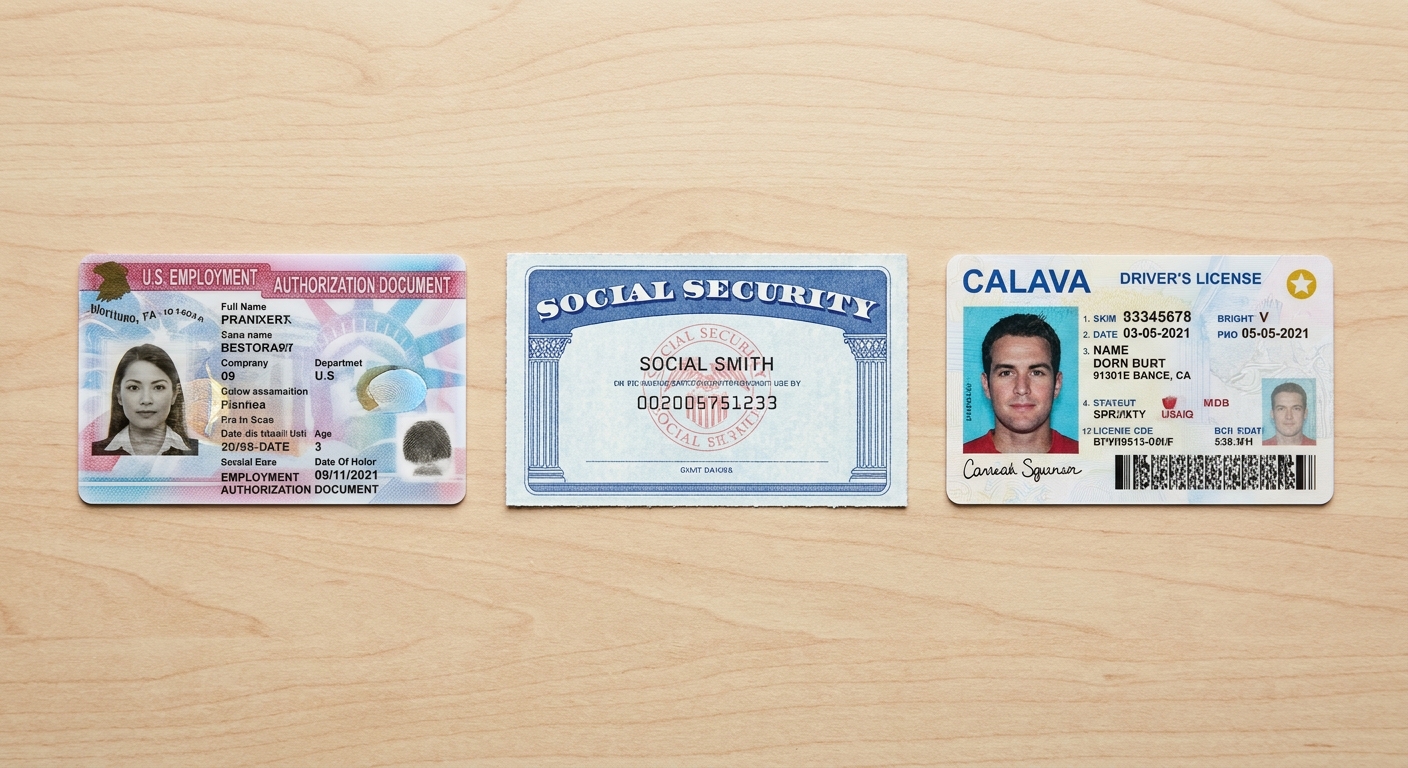
What happens after you get your U visa work permit?
Receiving your u visa work permit opens the door to several practical implications that improve your daily life and future prospects. This document signifies your authorization to work legally in the United States.
- Legal employment: You can seek and maintain lawful employment without fear of immigration consequences.
- Social Security Number: With your EAD, you can apply for a Social Security Number, which is necessary for employment, paying taxes, and accessing certain benefits.
- Driver’s license: Many states accept an EAD as a valid document for obtaining a driver’s license.
- Path to a Green Card: The EAD also serves as a step towards permanent residency. After maintaining U nonimmigrant status for three years, you may apply for a green card, provided you meet all eligibility requirements.
Your EAD is typically valid for four years and can be renewed. Throughout this period, maintaining compliance with immigration laws and promptly reporting any changes of address to USCIS protects your status.
What to do if your work permit application faces unexpected delays?
Waiting for an immigration decision, especially a work permit, can be challenging. Delays can occur due to background checks, requests for evidence, or general USCIS backlogs. Knowing how to proactively address these situations can help minimize stress.
- Monitor case status: Regularly check your case status online through the USCIS website using your receipt number.
- Understand common reasons for delays: Delays can stem from background checks, requests for evidence (RFEs), or general USCIS backlogs.
- Keep information updated: Ensure your contact information and mailing address are current with USCIS. A missed notice can further prolong your wait.
- Seek legal advice: If delays become excessive, or if you receive an RFE or a notice of intent to deny, consulting an experienced attorney can help. A denial after a long wait is possible even with a pending BFD; our guide on what happens if the U visa is denied covers your options. Delays can leave you vulnerable, making legal counsel for deportation defense an important consideration if your status is at risk.
Securing work authorization with a U visa is a significant step toward rebuilding your life in the United States. At Zava Immigration Law Group we are immigrants helping immigrants, and we can help you plan strategically for your employment authorization needs.
Frequently asked questions about U visa work permits
How long does it take to actually get the physical work permit card after a positive bona fide determination?
After USCIS approves your Bona Fide Determination (BFD), the physical Employment Authorization Document (EAD) card typically arrives within two to eight weeks. While the BFD itself can take approximately 18 to 35 months to process from your initial filing date, this estimate refers to the determination, not the card’s arrival post-approval. It’s important to monitor your case status online and ensure your mailing address with USCIS is current to avoid delays in receiving your u visa work permit.
Do I always have to pay a fee when applying for an employment authorization document based on my U visa?
Generally, the initial application for an Employment Authorization Document (EAD) based on a U visa bona fide determination (BFD) often has its filing fee waived by USCIS. However, this is not without exception. For instance, if you apply for a renewal of your EAD in the future, a fee might be required unless a new fee waiver applies.
Can I travel outside the U.S. if I have a U visa work permit but my U visa is still pending?
Traveling outside the U.S. with only a pending U visa and an Employment Authorization Document (EAD) can be risky and may impact your U visa application. The EAD primarily grants you the right to work in the United States, but it doesn’t automatically confer re-entry privileges. If you leave, you might not be allowed back into the country, potentially jeopardizing your deferred action status and U visa petition.
What happens if my U visa petition is ultimately denied after I have already received a work permit?
If your U visa petition is ultimately denied after you have received an Employment Authorization Document (EAD) based on a bona fide determination, your deferred action status and work authorization will likely be terminated. The EAD’s validity is tied to your eligibility for U nonimmigrant status. Upon denial, you would generally lose the protection from deportation and the right to work.
Are there any restrictions on the type of job I can take with a U visa work permit?
A u visa work permit, or Employment Authorization Document (EAD), generally does not impose restrictions on the type of job you can take in the United States. Once you have your EAD, you are authorized to work for any employer in any occupation, similar to any other legally authorized worker.
What should I do if my U visa work permit card gets lost or stolen?
If your U visa work permit card is lost, stolen, or damaged, you should promptly file a new Form I-765, Application for Employment Authorization, with USCIS to request a replacement. You will typically need to indicate the reason for your application (e.g., lost card) and include supporting documentation. While waiting for a replacement, your underlying work authorization status generally remains, but you will need the physical card to prove your employment eligibility to employers.
Sources and official resources
- USCIS: Immigration Options for VictimsOfficial source
- USCIS Policy ManualOfficial source

Jessica Anleu (formerly Jessica Lewis) is an experienced immigration lawyer in Phoenix with a decade of immigration experience.
All PostsRelated Posts
An immigration detainer and the 48 hour hold in Maricopa County
What an immigration detainer really means for a 48 hour hold in a Maricopa County jail, and the exact steps families should take before that window closes.
Preparing for your hearing at the Florence immigration court
The Florence immigration court operates inside one facility, but a nearby complex often gets confused with it. Here is how to tell them apart.

How the judge decides if you go home at an immigration bond hearing
An immigration bond hearing decides if you can leave detention while your case continues. Here is what the judge weighs before deciding your case.
Your privacy, your choice
With your permission, Google Analytics and Microsoft Clarity help us understand site use. Google Ads and Meta measure advertising. You can decline all or choose each category. Forms work with any choice.
Checked options stay off until you save them.