

How Much Does the Immigration Medical Exam Cost, and What’s Included?
Table of contents
9 minute read
The immigration medical exam cost is rarely a fixed price. As of 2026 it usually ranges from around $200 to over $1,000, depending on your location, the civil surgeon you choose, and any vaccines or extra tests you need.
Completing this exam is mandatory if you are applying for permanent residency or adjusting your status. If you are preparing a green card application, our green card lawyers can guide you through each step, including the medical.
What factors change the immigration medical exam cost?
Several things drive the final immigration medical exam cost, and none of them are set by USCIS. The fee a designated civil surgeon charges depends on their practice, their geographic location, and the specific services your case requires.
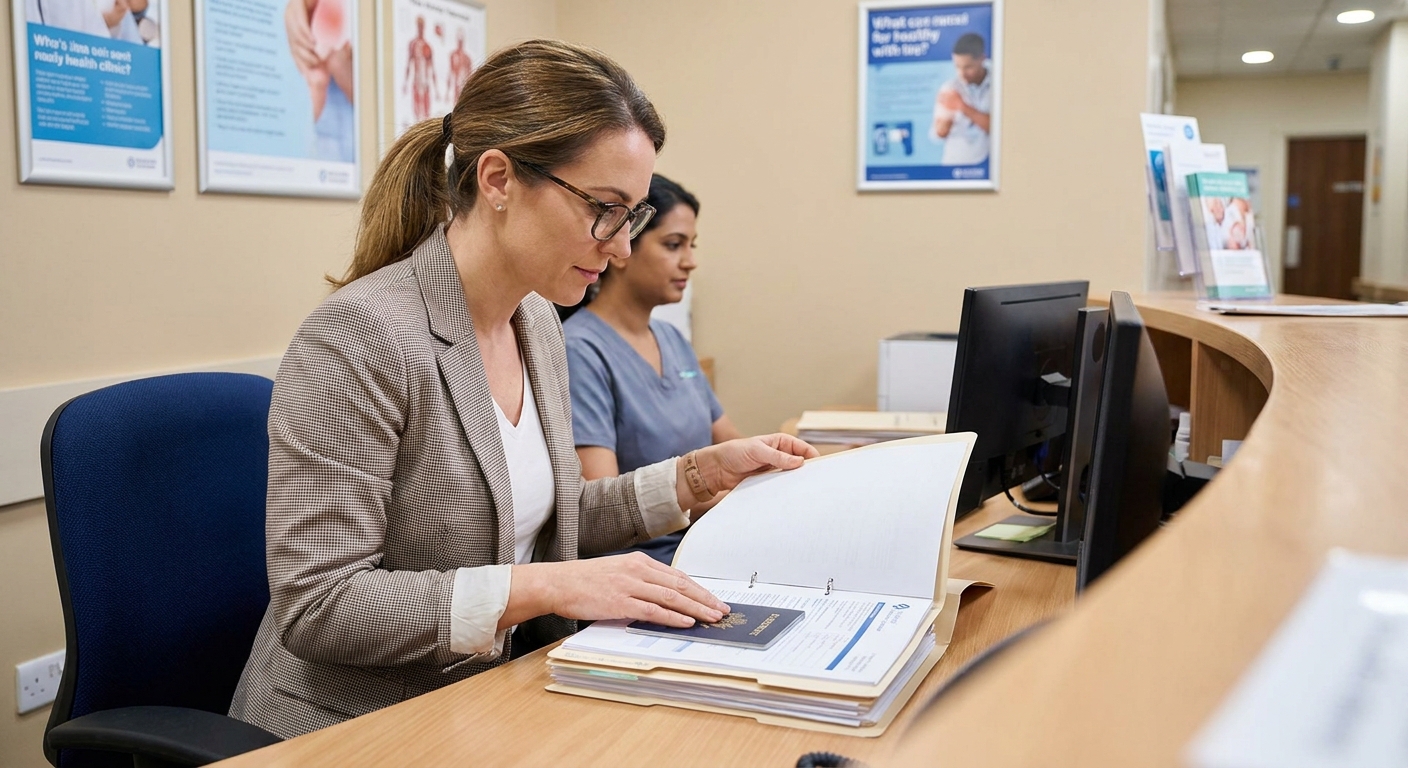
For example, clinics in major metropolitan areas or states with a higher cost of living often charge more. The base examination fee is only part of the picture.
Extra costs often come from missing vaccinations that must be administered, follow-up tests for conditions like tuberculosis, or the blood tests for syphilis and gonorrhea required for applicants 15 and older. Our guide on the vaccines you need for your green card medical exam can help you prepare in advance and avoid paying for them on the spot.
| Factor | Impact on cost | Details |
|---|---|---|
| Civil surgeon’s fees | Directly influences base price | Varies by clinic, location, and the surgeon’s practice. USCIS does not regulate these fees. |
| Geographic location | Higher costs in urban areas | Major cities or states with a higher cost of living typically have more expensive exams. |
| Required vaccinations | Adds significant expense | If you lack proof of required vaccinations (MMR, Polio, Tdap, Hepatitis B, Varicella, Flu), you will need to pay for them during the exam. |
| Additional lab tests | Mandatory for certain ages/conditions | Tests for tuberculosis, syphilis, and gonorrhea (for applicants 15 and older) are usually billed separately from the base exam fee. |
| Follow-up visits | Necessary for positive results | If initial tests yield positive results (e.g., for TB), further tests, evaluations, or treatment plans will incur additional charges. |
What does the immigration medical exam include?
The immigration medical exam is a full health screening meant to confirm you have no health conditions that would make you inadmissible. A USCIS-designated civil surgeon performs it and records the results on Form I-693. Everyone applying for a green card goes through it, whether through a family petition or a conditional green card that will later need its conditions removed.
The components usually covered by the base fee include a review of your medical and vaccination history, a complete physical examination, and a mental health screening. Beyond that, specific lab tests and vaccination verification are mandatory.
You will be screened for communicable diseases of public health significance, and your vaccination records will be checked against U.S. requirements.
- Medical history review: The civil surgeon will ask about your past and present medical conditions, hospitalizations, surgeries, and any history of mental illness or substance abuse. Provide accurate and complete information, as inconsistencies can lead to delays.
- Physical examination: A general physical assessment will be performed, including measurements of your height, weight, blood pressure, and a check of your eyes, ears, nose, throat, and extremities.
- Mental health screening: This part assesses for any mental disorders that could make you inadmissible, focusing on behaviors that might pose a risk to property, safety, or welfare.
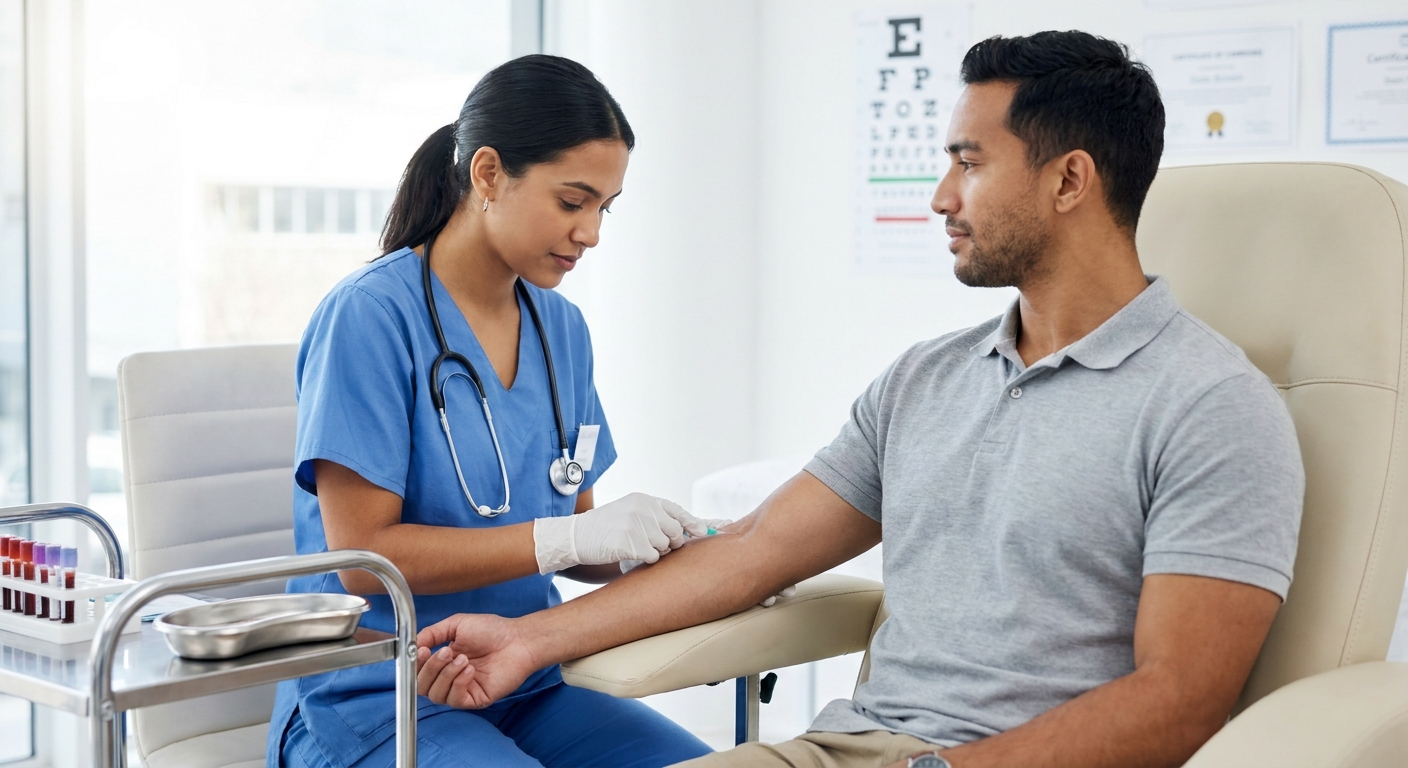
- Mandatory testing: For applicants aged 15 and older, blood tests are required for syphilis and gonorrhea. All applicants aged two and older, depending on risk factors, also require a tuberculosis (TB) screening, which is usually a blood test.
- Vaccination review: Your immunization records are checked to verify all age-appropriate vaccinations, which generally include measles, mumps, rubella (MMR), polio, tetanus and diphtheria toxoids and pertussis (Tdap), hepatitis B, varicella (chickenpox), and influenza.
How do you prepare for your medical exam appointment?
Good preparation starts with choosing the right doctor. Only civil surgeons designated by USCIS may perform this exam, so confirm that the doctor you pick appears on the official USCIS list before you book.
Gathering your documents ahead of time prevents delays and can keep your costs down. Bring official identification, any relevant prior medical records, and especially your complete vaccination history. Being organized can also spare you extra tests or vaccinations on the spot. Ask about payment expectations before your visit.
- Find a designated civil surgeon: Locate an approved civil surgeon through the USCIS website. You cannot use just any doctor; they must be specifically authorized by USCIS.
- Gather essential documents: Bring a valid government-issued photo ID (passport, driver’s license, or national ID), your Form I-693 (pre-filled with your demographic information but unsigned), and all available vaccination records. If you have medical conditions, bring relevant medical records.
- Discuss payment and insurance: Ask about the full immigration medical exam cost upfront and what is included. Most health insurance plans do not cover this exam, so prepare for an out-of-pocket payment.
- Prepare for the examination: Be well-rested. If you need a translator, arrange for one to accompany you, as the civil surgeon’s office may not provide one. Be ready to give a complete and accurate medical history.

What happens if you have missing vaccinations or a positive test result?
The medical exam process sometimes involves unexpected hurdles, such as missing vaccinations or a positive test result. These situations need proper handling and can affect both your overall immigration medical exam cost and your application timeline, especially if you are already watching a long green card backlog and priority date.
We often see clients surprised by the variable costs and the extra tests they sometimes need. These issues can extend a timeline, but they do not automatically lead to a denial.
If your vaccination records are incomplete, the civil surgeon will usually administer the missing vaccinations during your visit or give you a plan to receive them. Those extra vaccines are an added expense.
A positive result for tuberculosis, syphilis, or gonorrhea will trigger further evaluation. For TB, that might mean a chest X-ray and sputum tests; for other conditions, treatment may be required before your exam can be certified.
- Missing vaccinations: If you do not have proof of all required vaccinations, the civil surgeon will advise you on which ones you need. You can usually get them at the surgeon’s office or another clinic, adding to your expense and possibly extending the process.
- Positive test results: A positive TB test requires further evaluation, such as a chest X-ray and possibly sputum tests. For syphilis or gonorrhea, you will need treatment until the condition is cleared. These added tests and treatments increase your overall cost and can delay the submission of your Form I-693.
How do you submit your medical exam results to USCIS?
Once you have completed your exam, the final step is to submit the results to USCIS correctly. The civil surgeon provides Form I-693 in a sealed envelope with confidential medical information that must stay sealed. If you open it, USCIS treats the results as invalid and you will need a new exam, paying the immigration medical exam cost again.
Handle the sealed envelope with care. Keep it exactly as the civil surgeon gave it to you, with their signature across the flap, and do not open, tape over, or alter it. You can carry it yourself as long as the seal stays intact, or the civil surgeon can send it directly to USCIS.
You can mail the sealed envelope with your adjustment of status application (Form I-485) if you file both together, or bring it to your green card interview. If you are completing your residency abroad, our consular processing attorneys can clarify how and where to submit it.
- Receive the sealed envelope: The civil surgeon will give you Form I-693, sealed in an envelope, often with their signature across the seal. This step protects the integrity of your medical results.
- Do not open the envelope: It is essential that you do not open the sealed envelope. USCIS requires the results to reach them in their original sealed condition.
- Submit with your application or at the interview: Mail the sealed envelope with your Form I-485, or, if you have already filed your I-485, bring it to your USCIS interview.
- Understand I-693 validity: As of June 11, 2025, a Form I-693 signed by a civil surgeon on or after November 1, 2023, is valid only while the application it was submitted with is pending. If that application is withdrawn or denied, the I-693 is no longer valid, which differs from previous rules.
The immigration medical exam is one more step on your path to permanent residency, and knowing the likely cost helps you avoid surprises. At Zava Immigration Law Group we are immigrants helping immigrants, and we walk with you through every requirement of your green card process.
Frequently asked questions about the immigration medical exam
Can my regular doctor perform the immigration medical exam?
No, only civil surgeons designated by USCIS are authorized to conduct the immigration medical examination and complete Form I-693. Your personal doctor, even if highly qualified, cannot perform this specific exam unless they are on the official USCIS list. This requirement ensures that the examination meets specific federal health criteria for immigration purposes. You must verify their designation on the USCIS website before scheduling an appointment to avoid delays or invalid results.
Does health insurance cover the cost of the immigration medical exam?
Typically, most health insurance plans do not cover the cost of the immigration medical exam. This examination is considered an immigration requirement rather than a standard medical service. You should prepare to pay for the civil surgeon’s fees, lab tests, and any required vaccinations out-of-pocket. It is always best to confirm with both the civil surgeon’s office and your insurance provider beforehand to understand exact payment expectations and avoid any surprises.
How long does the immigration medical exam typically take?
The actual appointment for an immigration medical exam typically takes one to two hours, depending on the civil surgeon’s office and the specific requirements of your case. This duration includes the physical examination, medical history review, and mental health screening. However, the overall process might extend if additional lab tests are required, or if you need to receive missing vaccinations. Follow-up visits for positive test results also add to the total time commitment.
Do children require the same immigration medical exam as adults?
Children also need an immigration medical exam, but the specific requirements vary by age. For example, blood tests for syphilis and gonorrhea are typically only mandatory for applicants aged 15 and older. Tuberculosis screening is usually required for those aged two and older. Younger children will still undergo a physical examination, medical history review, mental health screening, and vaccination record check. The civil surgeon will determine the precise tests and vaccinations based on the child’s age and health history.
How can I find a USCIS civil surgeon with more affordable fees?
Since USCIS does not regulate the fees civil surgeons charge, costs can vary significantly. To potentially find a more affordable option, we advise checking with several designated civil surgeons in your area. Contact their offices directly to inquire about their base exam fee, what is included, and estimated costs for common additional tests or vaccinations. Comparing quotes can help you budget effectively for the immigration medical exam, especially since insurance rarely covers it.
What if I have a pre-existing medical condition?
If you have a pre-existing medical condition, it’s important to disclose it accurately to the civil surgeon during your immigration medical exam. While many conditions do not impact your admissibility, some may require additional documentation, evaluation, or a treatment plan before your Form I-693 can be certified. Providing complete medical records at your appointment can streamline this process. These situations are common and manageable with the right preparation and documentation.
Sources and official resources
- USCIS Policy ManualOfficial source

Jessica Anleu (formerly Jessica Lewis) is an experienced immigration lawyer in Phoenix with a decade of immigration experience.
All PostsRelated Posts
An immigration detainer and the 48 hour hold in Maricopa County
What an immigration detainer really means for a 48 hour hold in a Maricopa County jail, and the exact steps families should take before that window closes.
Preparing for your hearing at the Florence immigration court
The Florence immigration court operates inside one facility, but a nearby complex often gets confused with it. Here is how to tell them apart.

How the judge decides if you go home at an immigration bond hearing
An immigration bond hearing decides if you can leave detention while your case continues. Here is what the judge weighs before deciding your case.
Your privacy, your choice
With your permission, Google Analytics and Microsoft Clarity help us understand site use. Google Ads and Meta measure advertising. You can decline all or choose each category. Forms work with any choice.
Checked options stay off until you save them.