

Conditional green card and how to remove conditions with form I-751
Table of contents
8 minute read
Many individuals holding a conditional green card are unaware of the precise actions required within a 90-day window, a failure to act within which can lead to the loss of their immigration status. This temporary status, granted initially for two years, demands a specific filing to transition into permanent residency.
Failing to understand this process can lead to significant delays, status termination, or even removal proceedings. Securing your future often hinges on timely action and submitting the correct documentation, and our removal of conditions attorneys can guide you through each step.
What is a conditional green card and why do you have one?
A conditional green card offers a two-year period of residency in the U.S., differing from the standard 10-year permanent green card. U.S. Citizenship and Immigration Services (USCIS) issues this temporary status when a marriage to a U.S. citizen or lawful permanent resident is less than two years old at the time permanent residence is granted.
This conditional status applies to the spouses themselves, and often to their children, who also receive a conditional green card through the same petition.
The primary reason for issuing a conditional green card is to prevent marriage fraud. USCIS uses the two-year period to assess whether the marriage was entered into legitimately, intending to build a life together, rather than solely for immigration benefits.
This means you are considered a conditional permanent resident, and your status remains temporary until the conditions are successfully removed.
The conditional status specifically applies to:
- Spouses of U.S. citizens or lawful permanent residents: If your marriage was less than two years old on the day your green card was approved.
- K-1 visa holders who adjusted status: Engaged couples who married within 90 days of entering the U.S. and then adjusted status.
- Children included in the petition: Any unmarried children under 21 who received their conditional status based on the same marriage.
How to remove conditions on your green card with Form I-751
To transition from a conditional green card to permanent residency, you must file Form I-751, Petition to Remove Conditions on Residence. This process typically involves a joint filing with your petitioning spouse to demonstrate the ongoing validity of your marriage.
The strict 90-day window immediately preceding your conditional status’s expiration date is a primary consideration for a joint filing. Filing too early or too late can lead to rejection and potential loss of status.
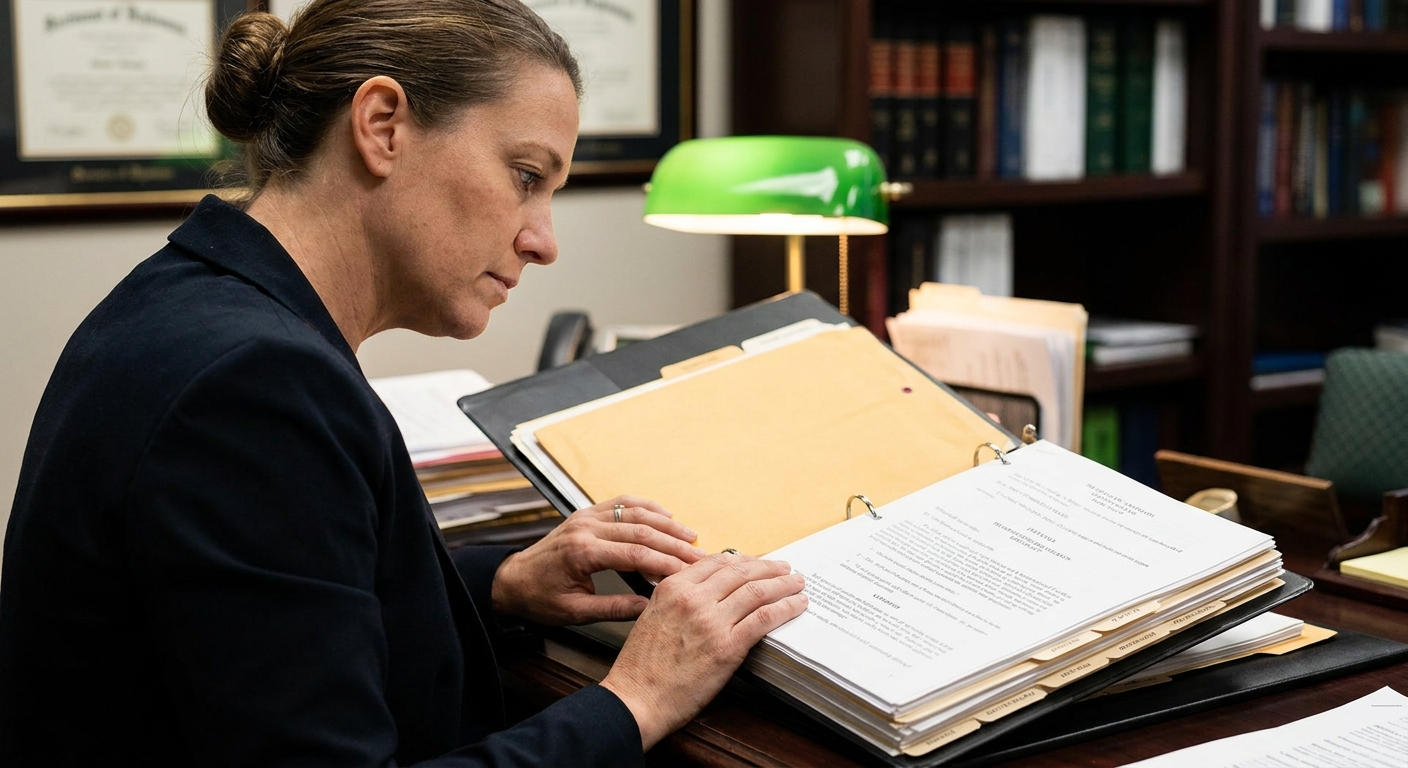
Your petition must include substantial evidence to prove your marriage is bona fide and not just for immigration purposes. The quality and breadth of this evidence are essential for a successful outcome. Presenting a compelling case requires a strategic approach to gathering and organizing these documents, ensuring they collectively tell a clear story of your shared life.
Key documents to include in your Form I-751 petition to demonstrate a bona fide marriage typically involve:
- Financial commingling: Joint bank account statements, shared credit card accounts, joint tax returns, evidence of joint investments.
- Shared property and assets: Copies of joint leases or mortgage statements, property deeds, vehicle titles showing joint ownership, utility bills in both names.
- Children and family evidence: Birth certificates of children born during the marriage, school records for children, photographs of the couple together, with family, and at significant events.
- Affidavits from witnesses: Sworn statements from friends, family, or employers who can attest to the bona fide nature of your relationship.
- Other evidence: Life insurance policies, wills, or health insurance showing the spouse as beneficiary, shared memberships, travel itineraries.

What happens if you miss the I-751 filing deadline?
Missing the 90-day filing window for your Form I-751 has serious repercussions. Your conditional permanent resident status automatically terminates on the expiration date of your green card.
USCIS typically initiates removal proceedings against you, placing you at significant risk of deportation from the United States. It helps to understand how deportation can affect green card applicants so you know what is at stake.
Even if you miss the deadline, there may be an opportunity to file a late Form I-751. You must submit a written explanation detailing “good cause” and extenuating circumstances for the delay. Simple forgetfulness is usually not considered good cause.
Acceptable reasons might include a severe illness, a death in the family, a natural disaster, or incorrect advice from a previous legal representative.
If you find yourself in this situation, acting immediately can help prevent severe negative outcomes. Our deportation defense attorneys can assess your situation and help prepare a strong case for late filing.
When you can file your conditional green card Form I-751 without your spouse (waiver options)
Life circumstances can change, and immigration law provides options for a conditional permanent resident to file Form I-751 without their petitioning spouse. These are known as I-751 waivers.
Unlike joint petitions, these waivers generally do not have the strict 90-day filing window, allowing you to file at any time before your conditional status expires, or even after if you have a compelling reason.
You will still need to prove that the marriage was entered into in good faith, even if it ended or you experienced hardship. This requirement applies across all waiver categories to ensure the initial intent was legitimate.
For instance, if you are filing for a divorce waiver, a final divorce decree is generally required for approval. You may be able to file while divorce proceedings are pending, though this could potentially require additional evidence or a Request for Evidence (RFE) later on.
| Waiver Type | Conditions for Filing | Key Evidence Required |
|---|---|---|
| Death of petitioning spouse | Your spouse passed away during the two-year conditional period. | Spouse’s death certificate, evidence of good faith marriage up to the time of death. |
| Divorce or annulment | Your marriage was terminated through divorce or annulment after entering conditional status. | Final divorce decree or annulment order, extensive evidence of good faith marriage. |
| Abuse or extreme cruelty | You or your child suffered abuse or extreme cruelty during the marriage. | Evidence of abuse (police reports, medical records, court orders, affidavits), proof of good faith marriage. |
| Extreme hardship | Termination of your conditional status and removal from the U.S. would result in extreme hardship. | Evidence of the hardship you or your child would face if removed (medical, financial, social, psychological). |
Each waiver category has distinct requirements, and demonstrating the good faith of the original marriage is always a central component, even in situations involving abuse or death.
What happens after you file your I-751 petition?
Once you submit your Form I-751, the waiting period begins, during which several key steps occur. Understanding this timeline helps you remain prepared and proactive.
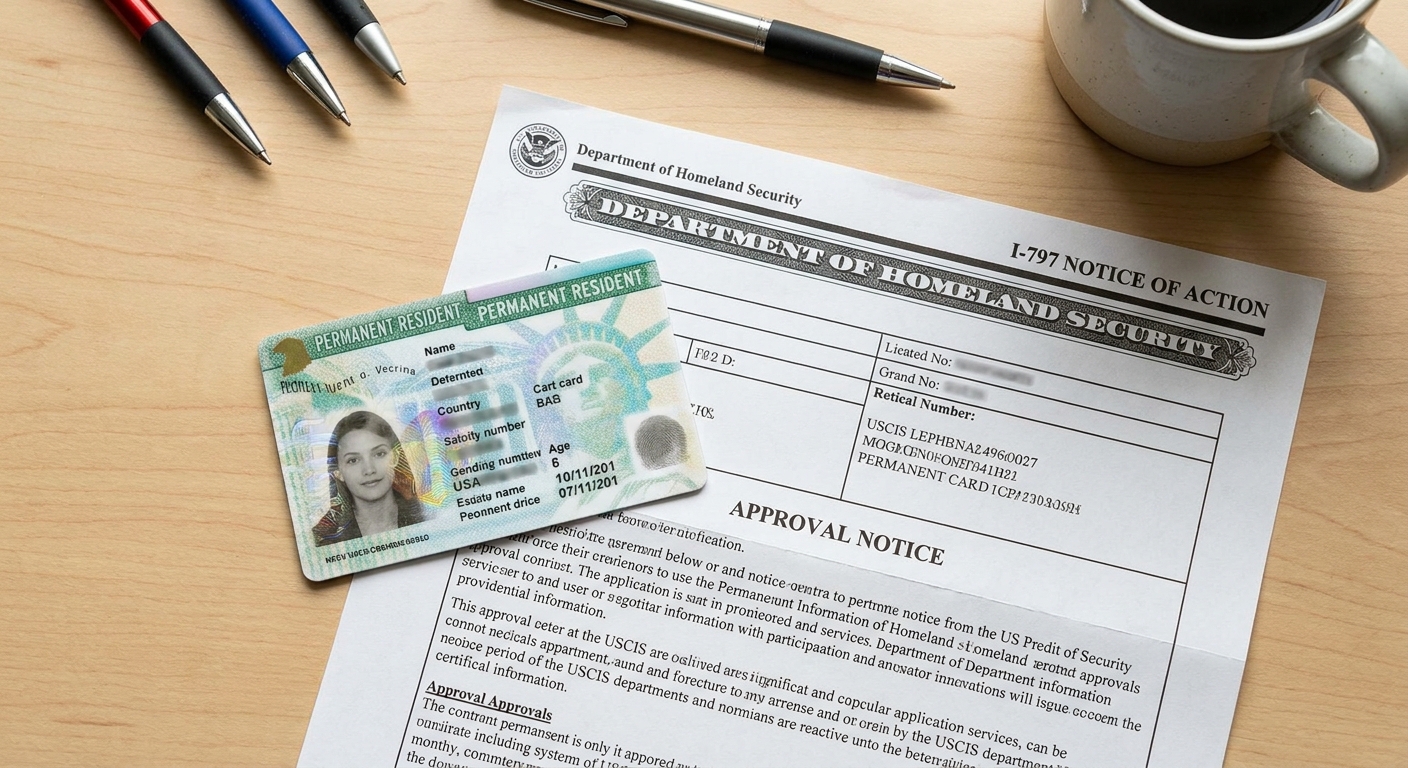
- Receipt notice and status extension: USCIS will send you a Form I-797C, Notice of Action, acknowledging receipt of your petition. This notice automatically extends your conditional status, along with your work and travel authorization, though it is worth understanding whether a work permit shields you from deportation.
- This extension is typically for 48 months beyond the card’s expiration date, as per current USCIS guidance. You must keep this notice with your expired green card for proof of ongoing status.
- Biometrics appointment: You will receive a notice to attend a biometrics appointment at a local Application Support Center (ASC) to have your fingerprints and photograph taken.
- Request for Evidence (RFE): It is common for USCIS to issue an RFE if they need additional documentation or clarification on your submitted evidence. Responding thoroughly and on time is essential to avoid delays or denial.
- Interview: While not every applicant is called for an interview, USCIS may schedule one to verify information or address concerns. Both spouses typically attend joint filings, and the interview allows you to answer questions about your marriage. For waiver cases, you would attend alone.
- Decision: USCIS will ultimately approve or deny your I-751 petition. If approved, you will receive a 10-year permanent green card. If denied, your conditional status ends immediately, and your case may be referred to an immigration judge for removal proceedings.
Processing times can vary significantly, ranging from 21 to 38.5 months depending on the service center and case complexity, with waiver cases often taking longer. Attorneys from our team specializing in green cards can help you prepare for these stages, including responding to RFEs or preparing for an interview.
Navigating the process to remove conditions on your conditional green card can be overwhelming, given strict deadlines and the need for comprehensive evidence. A misstep could profoundly impact your ability to remain in the U.S. At Zava Immigration Law Group, we offer dedicated support. As immigrants helping immigrants, our Phoenix, AZ-based team is ready to discuss your case and help you secure your permanent residency.
Frequently asked questions about removing conditional green card status
What kind of evidence makes my I-751 petition strongest?
The most compelling evidence demonstrates a fully commingled life, showing your shared intentions to build a future together. This typically includes joint financial accounts, shared property deeds, birth certificates of children, and comprehensive tax returns filed jointly. The key is to present a wide range of documents that collectively tell a story of a bona fide marriage over the two-year conditional period, rather than just isolated pieces of evidence.
Can I travel internationally while my I-751 is still being processed?
Yes, you generally can travel internationally while your Form I-751 is pending. After filing, USCIS will send you a Form I-797C receipt notice. This notice automatically extends your conditional permanent resident status, as well as your work authorization, for a period of 48 months beyond the expiration date on your conditional green card. You must carry this notice along with your expired green card as proof of your ongoing status.
What if my spouse and I are separated, but not legally divorced, when it’s time to file?
This situation can be complex. You cannot file a joint petition if you are separated with no intent to reconcile. While a divorce waiver typically requires a final divorce decree for approval, you may be able to file a waiver if divorce proceedings are pending. However, this often leads to Requests for Evidence (RFEs) for additional documentation. Our team can help assess your specific circumstances and guide you on the best path forward.
Do I have to attend an interview for my Form I-751, or does everyone get one?
Not every applicant is called for an interview. USCIS may schedule an interview if they need to verify information, clarify submitted evidence, or have concerns about the bona fides of your marriage. For joint filings, both spouses typically attend. In waiver cases, only the conditional resident attends. Preparing thoroughly for a potential interview can be crucial for a successful outcome.
If I filed an I-751 waiver, can my conditional status still be terminated?
Yes, filing a waiver does not guarantee approval. If your waiver petition is denied, your conditional permanent resident status will terminate immediately. This typically leads to USCIS initiating removal proceedings against you. Even with a waiver, you must provide compelling evidence that your original marriage was entered into in good faith, irrespective of the reasons that led to the waiver filing.
My child also has a conditional green card; do they need a separate I-751 filing?
Generally, if your unmarried child received their conditional green card at the same time or within 90 days of you, and through the same marriage, they are typically included in your Form I-751 petition. They do not usually need to file a separate I-751. However, children who received their conditional status more than 90 days after yours, or those over 21, may require individual petitions.
What happens if USCIS sends me a Request for Evidence (RFE) during my conditional green card process?
An RFE indicates that USCIS requires more information or documentation to make a decision on your Form I-751. It is crucial to respond thoroughly and accurately to an RFE by the specified deadline. Failing to provide the requested evidence on time or submitting an incomplete response can lead to delays in processing or, in some cases, the denial of your petition. Our attorneys can assist with preparing a robust response.
Sources and official resources
- Form I-751Official source
- USCIS: Green CardOfficial source
- USCIS Policy ManualOfficial source

Jessica Anleu (formerly Jessica Lewis) is an experienced immigration lawyer in Phoenix with a decade of immigration experience.
All PostsRelated Posts
An immigration detainer and the 48 hour hold in Maricopa County
What an immigration detainer really means for a 48 hour hold in a Maricopa County jail, and the exact steps families should take before that window closes.

Preparing for your hearing at the Florence immigration court
The Florence immigration court operates inside one facility, but a nearby complex often gets confused with it. Here is how to tell them apart.

How the judge decides if you go home at an immigration bond hearing
An immigration bond hearing decides if you can leave detention while your case continues. Here is what the judge weighs before deciding your case.
Your privacy, your choice
With your permission, Google Analytics and Microsoft Clarity help us understand site use. Google Ads and Meta measure advertising. You can decline all or choose each category. Forms work with any choice.
Checked options stay off until you save them.