

Green card backlog and how to track your priority date
Table of contents
8 minute read
Many people applying for a green card find themselves waiting years, sometimes even decades, due to complex legal limits on how many visas can be issued each year. This waiting period, known as the green card backlog, impacts thousands of families and individuals every month, leaving many anxious about their future in the U.S.
Understanding why your application takes time and how to track its progress is essential for navigating this journey. Our firm often sees clients confused by the Visa Bulletin and their green card priority date. Knowing these details helps manage expectations and prepare for next steps with your green card attorneys.
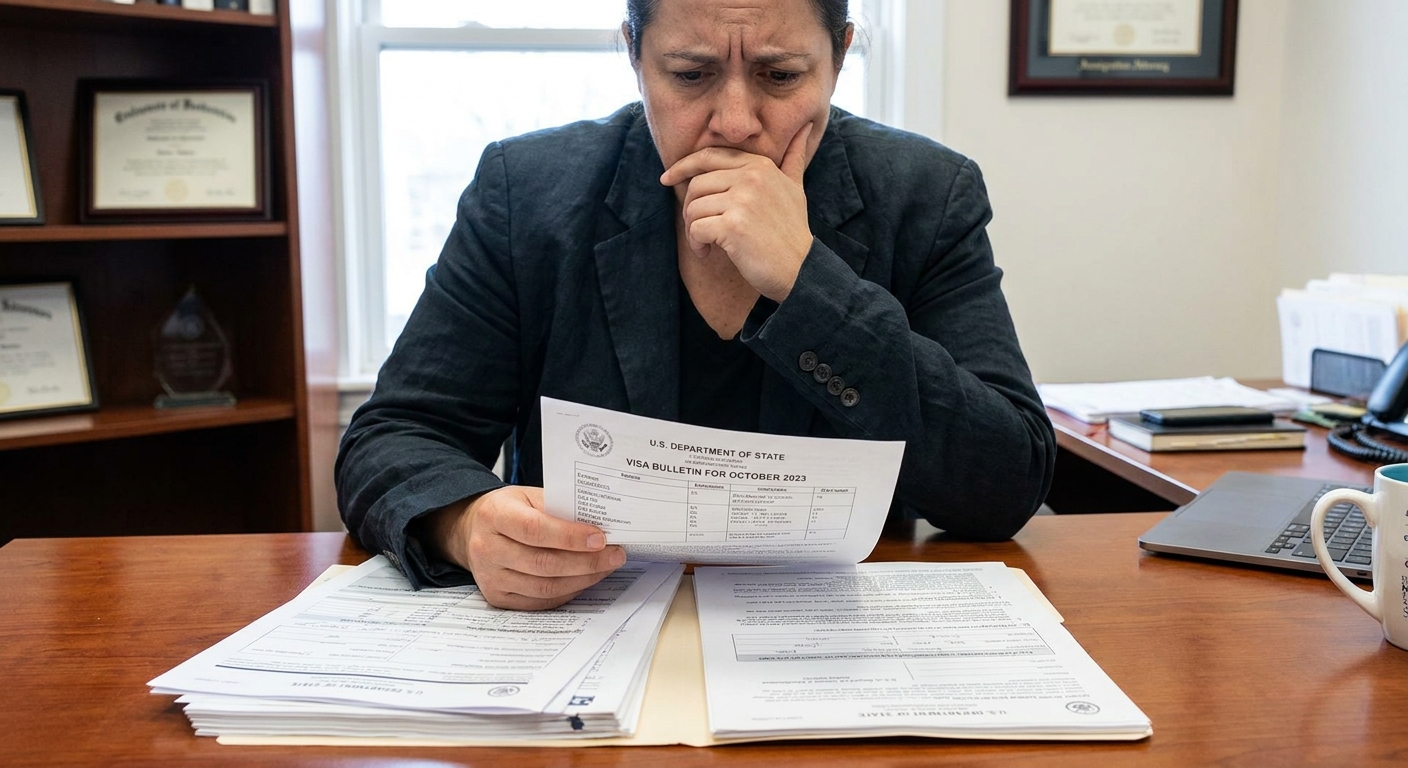
Why does the green card backlog create long waits?
Your green card application often faces lengthy delays because the U.S. government sets annual numerical limits on most family-sponsored and employment-based immigrant visas. Congress establishes these limits, currently capping family-sponsored preference visas at 226,000 per year and employment-based visas at 140,000 annually.
This numerical constraint creates a waiting list when demand exceeds the available numbers. This waiting list then forms the extensive green card backlog many applicants experience.
Adding to these overall limits are per-country caps, which restrict any single country to no more than 7% of the total annual green cards. This cap disproportionately affects high-demand countries like India, China, Mexico, and the Philippines. For applicants from these nations, the waiting period can be significantly longer than for those from countries with less demand.
To navigate the process, understand these two main categories of relatives:
- Immediate relatives: Spouses, unmarried children under 21, and parents of U.S. citizens are not subject to numerical limits. They generally do not experience a visa backlog, allowing their applications to move forward without these extensive waiting periods.
- Preference categories: Other family relationships, such as married children of U.S. citizens, siblings of U.S. citizens, or spouses and children of lawful permanent residents, fall into preference categories. These are subject to numerical limits and per-country caps, leading to substantial wait times that can span many years.
What is your priority date and how do you find it?
Once you understand the general reasons for delays, your priority date acts as the primary identifier for your specific place in line. This date essentially marks your spot on the waiting list for an immigrant visa. When your priority date becomes “current” on the Visa Bulletin, a visa number becomes available for you to proceed.
The method for establishing your green card priority date depends on the type of petition you have filed:
- Family-based cases: For these applications, your priority date is usually the date that U.S. Citizenship and Immigration Services (USCIS) receives your Form I-130, Petition for Alien Relative. This date is stamped on the petition upon receipt.
- Employment-based cases: For employment-based petitions, the priority date is typically the date your PERM Labor Certification was filed with the Department of Labor. If a PERM is not required, it is the date USCIS receives your Form I-140, Immigrant Petition for Alien Worker.
You can locate your priority date on Form I-797, Notice of Action, which USCIS sends after receiving your petition. This document clearly states the “Priority Date,” which helps you track your position in the queue. Keep this notice in a safe place, as you will need to reference it regularly.

How the Visa Bulletin shows your place in line
Knowing your green card priority date is just the first step; next, you must learn how to track its movement. The U.S. Department of State (DOS) publishes the monthly Visa Bulletin, which functions as the official waiting list for numerically limited immigrant visas. This document reveals whether a visa is available for your green card application.
The Visa Bulletin contains two primary charts that you need to understand:
- Final action dates: This chart indicates when a green card can actually be approved. Your priority date must be on or before the listed date for your category and country to be eligible for final processing of your adjustment of status application (Form I-485) or consular processing.
- Dates for filing: This chart indicates when you can submit your Form I-485 application for adjustment of status or begin the consular processing steps. This allows you to file earlier, even if the final action date is not yet current, potentially accelerating certain parts of your case, such as obtaining work authorization.
Each month, USCIS announces on its website which chart adjustment of status applicants should use. You must compare your priority date to the cutoff dates listed for your specific preference category and country of chargeability.
If the Visa Bulletin shows ‘C’ for a category, it means “current,” indicating that a visa is immediately available, and you can proceed with your application without further waiting based on numerical limits.
What happens if your priority date moves backward (retrogression)?
While tracking the forward movement of your priority date often brings hope, preparing for potential setbacks, such as retrogression, helps manage expectations. Visa retrogression occurs when a priority date that was previously current moves backward in time, meaning your wait period unexpectedly lengthens.
This happens when the demand for visas in a particular category or country exceeds the annual supply, often due to a surge in filed I-485 applications or increased visa usage from previous months.
When your date retrogresses, it has several implications for your application:
- Application delays: If you had already filed your Form I-485, adjustment of status, it cannot be approved until your priority date becomes current again under the Final Action Dates chart. This can cause significant delays in receiving your green card.
- Work authorization and travel: Retrogression may impact your ability to apply for or renew work permits (EAD) or advance parole (travel documents) if they are tied to your pending I-485 and you do not have other independent bases for these benefits.
- Uncertainty: Predicting when a retrogressed date will become current again can be challenging, as it depends on future demand and visa availability.
Staying informed by checking the monthly Visa Bulletin is your primary tool for managing retrogression. While you cannot control the movement of cutoff dates, understanding these fluctuations allows you to adjust your plans and prepare for potential delays.
Even when facing a green card backlog, you can use these periods to gather additional documents or address any RFE (Request for Evidence) you might have received.

How preference categories affect the green card backlog?
Beyond the general principles of visa limits and retrogression, specific family relationships have their own dynamics that influence waiting periods. The U.S. immigration system categorizes family-sponsored immigrants into distinct family preference categories. Each level has its own annual allocation of visas and thus varying wait times for your green card journey.
Immediate relatives of U.S. citizens—spouses, unmarried children under 21, and parents—do not face numerical limits or a green card backlog, meaning their visas are always available once eligible. This is a significant distinction from the preference categories:
| Preference category | Relationship description | Key wait time factor |
|---|---|---|
| Family First Preference (F1) | Unmarried sons and daughters (21 years of age or older) of U.S. citizens | Moderate demand; per-country caps impact wait times significantly for some nations. |
| Family Second Preference (F2A) | Spouses and children (unmarried and under 21) of lawful permanent residents | Historically higher demand; often subject to some backlog, though generally shorter than other preference categories. |
| Family Second Preference (F2B) | Unmarried sons and daughters (21 years of age or older) of lawful permanent residents | High demand; often one of the longer waiting periods due to numerical limits and age factor. |
| Family Third Preference (F3) | Married sons and daughters of U.S. citizens | Moderate to high demand; substantial backlogs for many countries. |
| Family Fourth Preference (F4) | Brothers and sisters of U.S. citizens | Extremely high demand; typically has the longest wait times due to limited annual visas and high global demand. |
While this article focuses on family-sponsored visas, employment-based green cards also have their own preference categories (EB-1, EB-2, EB-3, EB-4, EB-5) and specific numerical limits, leading to backlogs that can also be very long, particularly for EB-2 and EB-3 from high-demand countries. Our team specializing in family-based immigration can help you understand these nuances in greater detail.
Common mistakes when tracking your green card status
With a clearer understanding of the complex system, you can identify and avoid common pitfalls that might add to your anxiety or even delay your application. Many applicants make simple errors when tracking their green card priority date, which can lead to missed opportunities or misunderstanding their actual status.
Consider these common mistakes and how to avoid them:
- Not checking the correct Visa Bulletin: Always ensure you are viewing the most current Visa Bulletin for the relevant month. Cutoff dates change regularly, and relying on outdated information can provide a false sense of your progress.
- Misinterpreting the charts: It is common for applicants to confuse the Final Action Dates chart with the Dates for Filing chart. Remember, USCIS instructs which chart to use for filing adjustment of status applications each month. Using the wrong chart might mean you file too early or miss an opportunity to file. Legal counsel for consular processing or adjustment of status attorneys can clarify which chart applies to your situation.
- Ignoring per-country limits: Some applicants overlook the impact of their country of birth on their visa availability. Even if your category seems current globally, per-country limits can create a specific backlog for your nationality.
- Failing to update contact information: If your address or other contact details change, you must update them promptly with USCIS and the National Visa Center (NVC). Failure to do so can result in missed notices, requests for evidence, or appointment letters.
- Assuming continuous forward movement: The green card backlog is dynamic. While your date generally moves forward, retrogression can occur. Consistent monitoring helps you react to these changes rather than being caught unaware.
Waiting for a green card involves a complex journey, often filled with uncertainty regarding priority dates and Visa Bulletin movements. Understanding these components is essential for managing expectations and making informed decisions. Misinterpreting official updates can lead to anxiety or procedural errors. At Zava Immigration Law Group, we recognize these challenges deeply as immigrants helping immigrants. When ready to discuss your specific situation and next steps, our Phoenix, AZ-based team offers guidance.
Frequently asked questions about green card backlogs
Does having a U.S. citizen child make my green card process faster?
Yes, if you are the parent of a U.S. citizen and that child is 21 years or older, you are considered an immediate relative. Immediate relatives of U.S. citizens are not subject to the annual numerical limits on visas, meaning there is typically no green card backlog for your category. This allows your application to move forward without the extensive waiting periods that other family preference categories experience.
How can I check the overall status of my green card application, not just my priority date?
You can generally check your application’s status online through the USCIS Case Status Online tool using the receipt number provided on your Form I-797, Notice of Action. This allows you to track the progress of your petition as it moves through various stages of processing. For consular processing, you may also track your case through the Department of State’s Consular Electronic Application Center (CEAC).
What should I do immediately after my priority date becomes current on the Visa Bulletin?
When your priority date becomes current, it indicates that a visa number is available for you to move forward. If you are already in the U.S. and eligible, you can typically file your Form I-485, Application to Register Permanent Residence or Adjust Status. If you are outside the U.S., this signals the start of your consular processing through the National Visa Center. We recommend consulting with our team to confirm your eligibility and prepare for these next critical steps.
Can I travel internationally while my family-sponsored green card application is pending due to a backlog?
Traveling internationally while your adjustment of status application (Form I-485) is pending can have significant consequences, potentially leading to abandonment of your case, unless you have obtained an Advance Parole travel document. It’s crucial to consult with our attorneys before making any travel plans, especially if your priority date has retrogressed, as it might impact your ability to apply for or renew necessary travel documents.
What if I lose my I-797 Notice of Action with my priority date?
Losing your Form I-797 can create anxiety, as it contains your receipt number and priority date, both essential for tracking your case. While USCIS does not typically issue duplicate notices, you can request your immigration record through a Freedom of Information Act (FOIA) request. Alternatively, our attorneys can often help retrieve this crucial information through various channels, ensuring you don’t miss important updates.
Are there situations where my green card application might not be affected by the backlog?
Yes, certain categories of applicants are not subject to the green card backlog. This primarily includes immediate relatives of U.S. citizens: spouses, unmarried children under 21, and parents. These relationships do not have numerical limits, meaning their applications generally proceed without the extensive waiting periods seen in family preference categories. Additionally, some special immigrant categories or asylum-based adjustments may also bypass typical backlogs.
Sources and official resources
- USCIS: Green CardOfficial source
- USCIS Policy ManualOfficial source

Jessica Anleu (formerly Jessica Lewis) is an experienced immigration lawyer in Phoenix with a decade of immigration experience.
All PostsRelated Posts
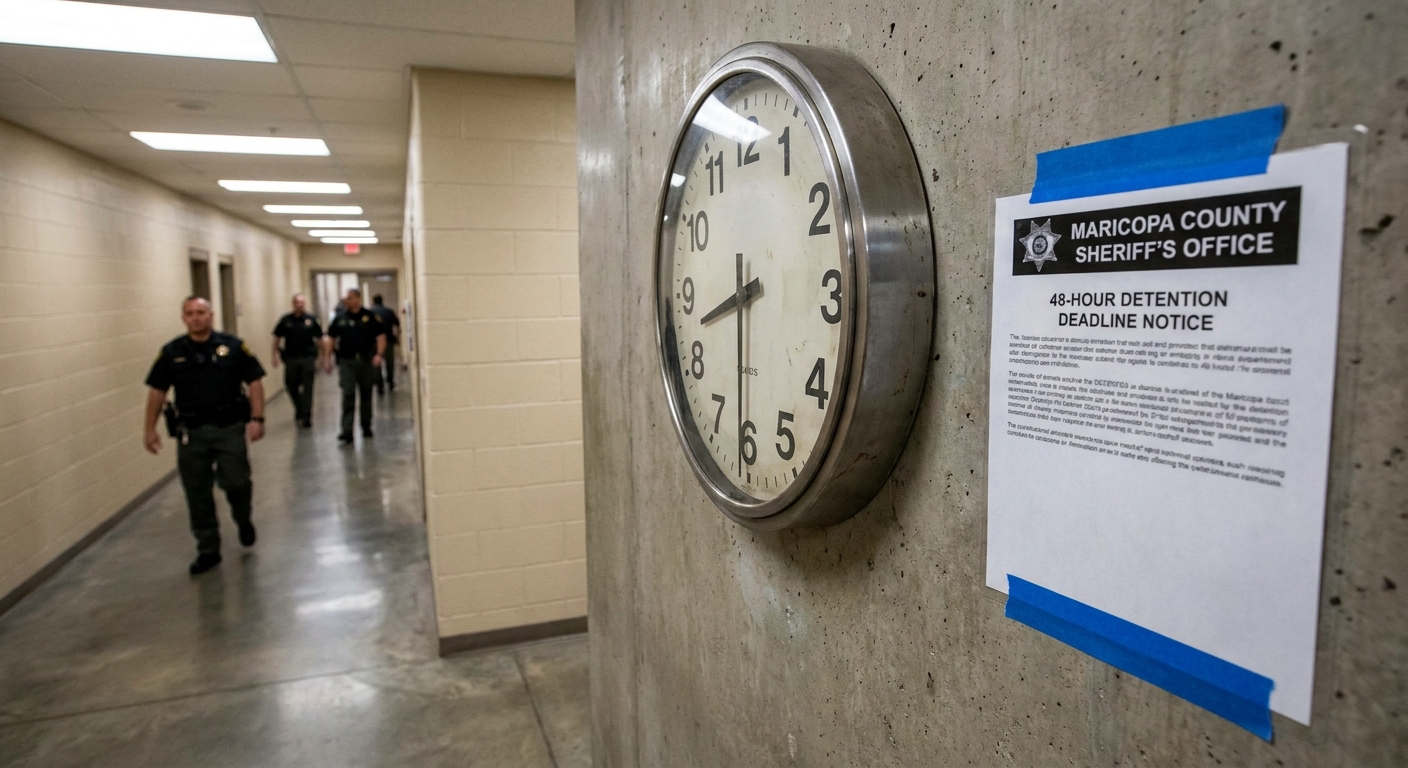
An immigration detainer and the 48 hour hold in Maricopa County
What an immigration detainer really means for a 48 hour hold in a Maricopa County jail, and the exact steps families should take before that window closes.
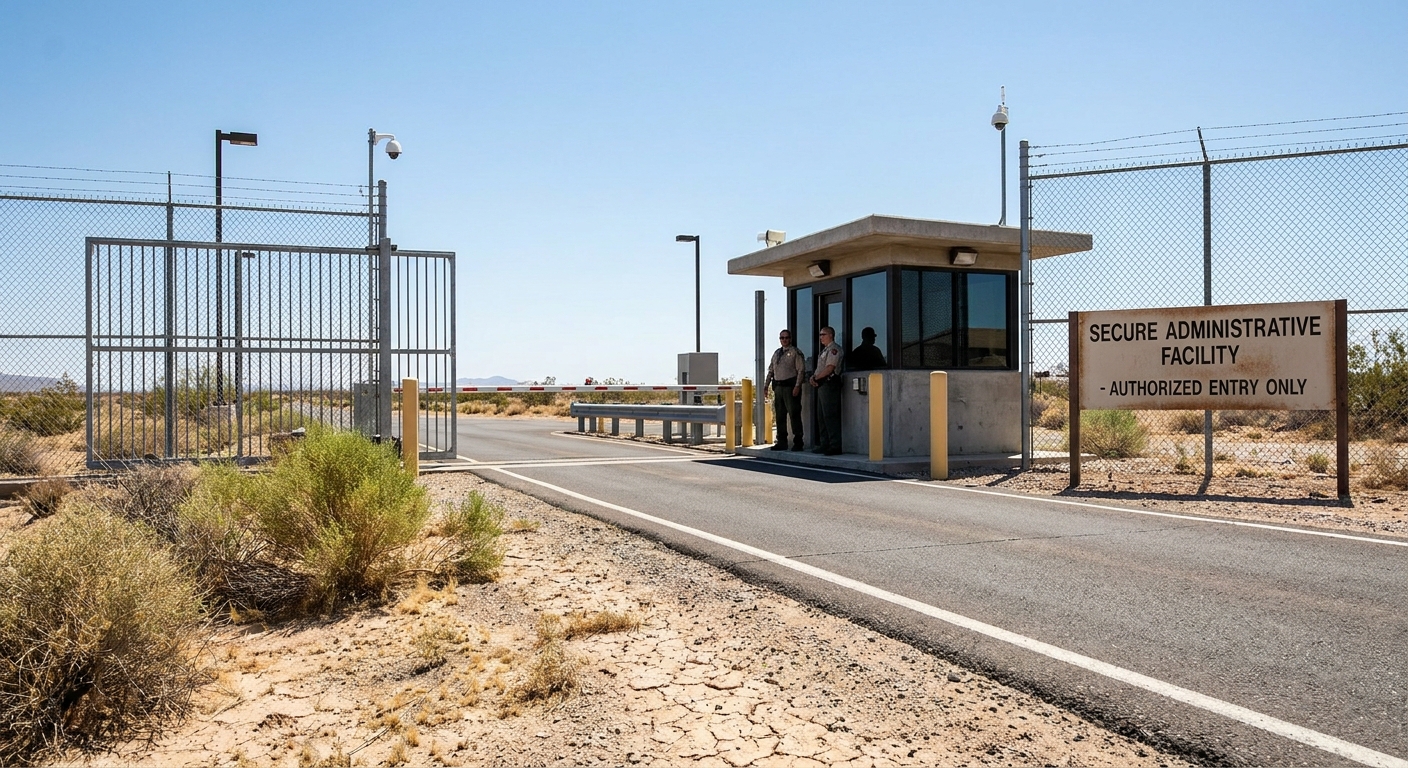
Preparing for your hearing at the Florence immigration court
The Florence immigration court operates inside one facility, but a nearby complex often gets confused with it. Here is how to tell them apart.

How the judge decides if you go home at an immigration bond hearing
An immigration bond hearing decides if you can leave detention while your case continues. Here is what the judge weighs before deciding your case.
Your privacy, your choice
With your permission, Google Analytics and Microsoft Clarity help us understand site use. Google Ads and Meta measure advertising. You can decline all or choose each category. Forms work with any choice.
Checked options stay off until you save them.