

How the judge decides if you go home at an immigration bond hearing
Table of contents
The moment a loved one enters ICE custody, the clock starts ticking toward an immigration bond hearing, the court’s chance to decide if that person can wait for their case outside a detention facility. Eligibility today depends on more than criminal history alone.
Decisions at this stage rest on the quality of evidence, not emotional appeals alone. Many families work with an immigration bond attorney to prepare documentation that meets the court’s standard for safe, reliable release.
Why some detained immigrants no longer qualify for a bond hearing
As of September 2026, how someone entered the United States can decide whether a judge is even allowed to consider a bond request. Under a binding decision from the Board of Immigration Appeals, Matter of Yajure Hurtado, a person who entered without being inspected by an immigration officer is treated as someone asking to be let into the country, not as someone already living here under a judge’s authority. In practice, that means most people who crossed without inspection can no longer ask an immigration judge for a bond hearing at all.
This rule is being fought in federal court, and the outcome is not settled. A district court blocked it, but the Ninth Circuit Court of Appeals put that ruling on hold while the government’s appeal moves forward, and no court has yet ruled on the merits of the case. Right now, the pause on the restrictive rule only applies inside the Central District of California, which covers Riverside, Santa Ana, and Orange County; everywhere else, including here in Phoenix, the stricter rule controls.
We understand this is confusing, and it can change again while the appeal is pending. If your loved one entered without inspection, do not assume a bond hearing is impossible without asking first, since every case has its own facts. And if the immigration judge has no authority to set a bond, our guide on the differences between requesting bail from ICE and from an immigration judge explains the other path that may still be open.
How a judge weighs public safety during an immigration bond hearing
The legal standard for release, set out in Matter of Guerra and refined in Matter of R-A-V-P-, requires the respondent to prove they are not a danger to the community or a flight risk. An immigration bond hearing requires the judge to exercise discretion by looking at the person’s life, and even a single DUI or a history of missed appointments can lead a judge to deny the request on safety grounds.
The EOIR Policy Manual also lists a third, less common factor: whether release would threaten national security. For the large majority of cases, though, the two factors below are what decide the outcome.
| Danger to community factors | Flight risk factors |
|---|---|
| History of violent criminal convictions | Lack of close family ties in the U.S. |
| Recent arrests for driving under the influence | No fixed residential address or lease |
| Involvement in drug trafficking or gangs | Prior history of failing to appear in court |
| Evidence of threats to property or people | Lack of stable employment history |
It is often necessary to involve deportation defense attorneys early in the process to address any criminal records that might suggest a danger. When the judge sees a criminal history, the burden of proof shifts heavily onto the detained person to show they have been rehabilitated. Without strong evidence, the judge may determine the risk is too high to allow release.
Convictions that prevent release under mandatory detention rules
Certain situations take the decision-making power away from the judge entirely due to federal statutes. Under section 236(c) of the Immigration and Nationality Act, individuals with specific criminal convictions are subject to mandatory detention, meaning they are legally ineligible for release on bond. If a person falls into this category, a bond hearing before the immigration court may end abruptly, with the judge stating they lack jurisdiction to set a bond.
- Aggravated felonies: Crimes classified as aggravated felonies under immigration law almost always trigger mandatory detention.
- Drug offenses: Most convictions related to controlled substances, even minor possession in some contexts, can disqualify a person from bond.
- Firearms offenses: Convictions involving the unlawful possession or use of a firearm often result in a denial of jurisdiction.
- Multiple crimes involving moral turpitude: Having two or more convictions in this category can lead to a mandatory hold without the possibility of release.
Understanding these limitations prevents families from building false hope and allows focus on other strategies. If the judge determines that mandatory detention applies, the person must remain in custody for the duration of their deportation proceedings unless a higher court intervenes. Identifying these issues early prevents wasted resources on hearings that the law does not permit.
Gathering evidence for an immigration bond hearing to prove intent

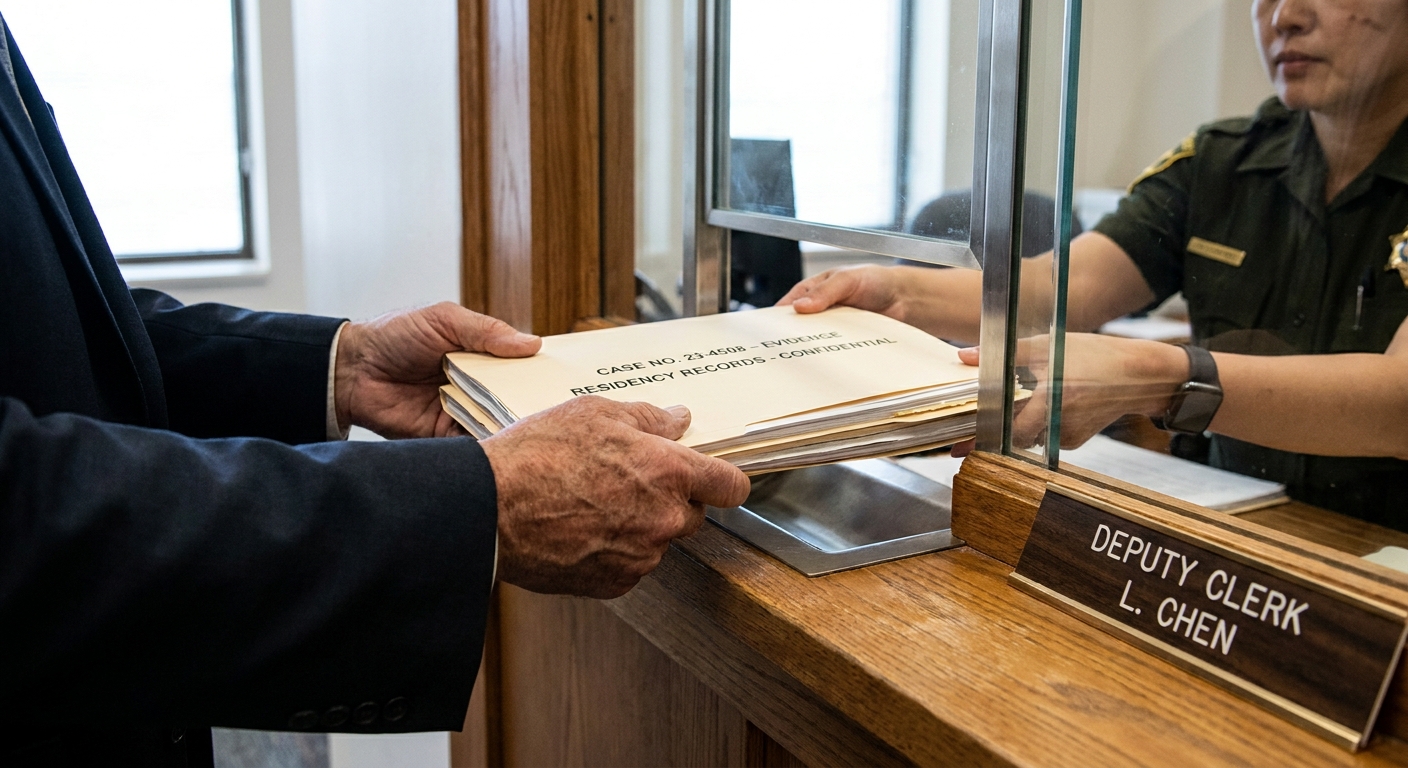
Proving that a person will not disappear after being released requires a heavy volume of physical documentation. Every piece of evidence presented during an immigration bond hearing must be clear, organized, and relevant to the specific legal factors the judge is considering. While character letters from friends are helpful, they are rarely enough to win a case without supporting financial or residency records.
- Proof of residency: Utility bills, lease agreements, or mortgage statements show the judge exactly where the person will live.
- Family birth certificates: Proving the existence of U.S. citizen children or spouses demonstrates strong community ties that discourage fleeing.
- Employment records: Letters from employers or recent pay stubs indicate that the person has a stable reason to stay in the area.
- Income tax returns: Filing taxes consistently shows the judge a history of compliance with U.S. laws and financial responsibility.
Many families provide character letters but forget proof of residency, which judges use to determine flight risk. Providing a permanent address is an effective way to lower the judge’s concern. If the court cannot see a clear connection to the community, the risk of you missing a future court date appears too high.
Regional procedures at Eloy or Florence detention facilities
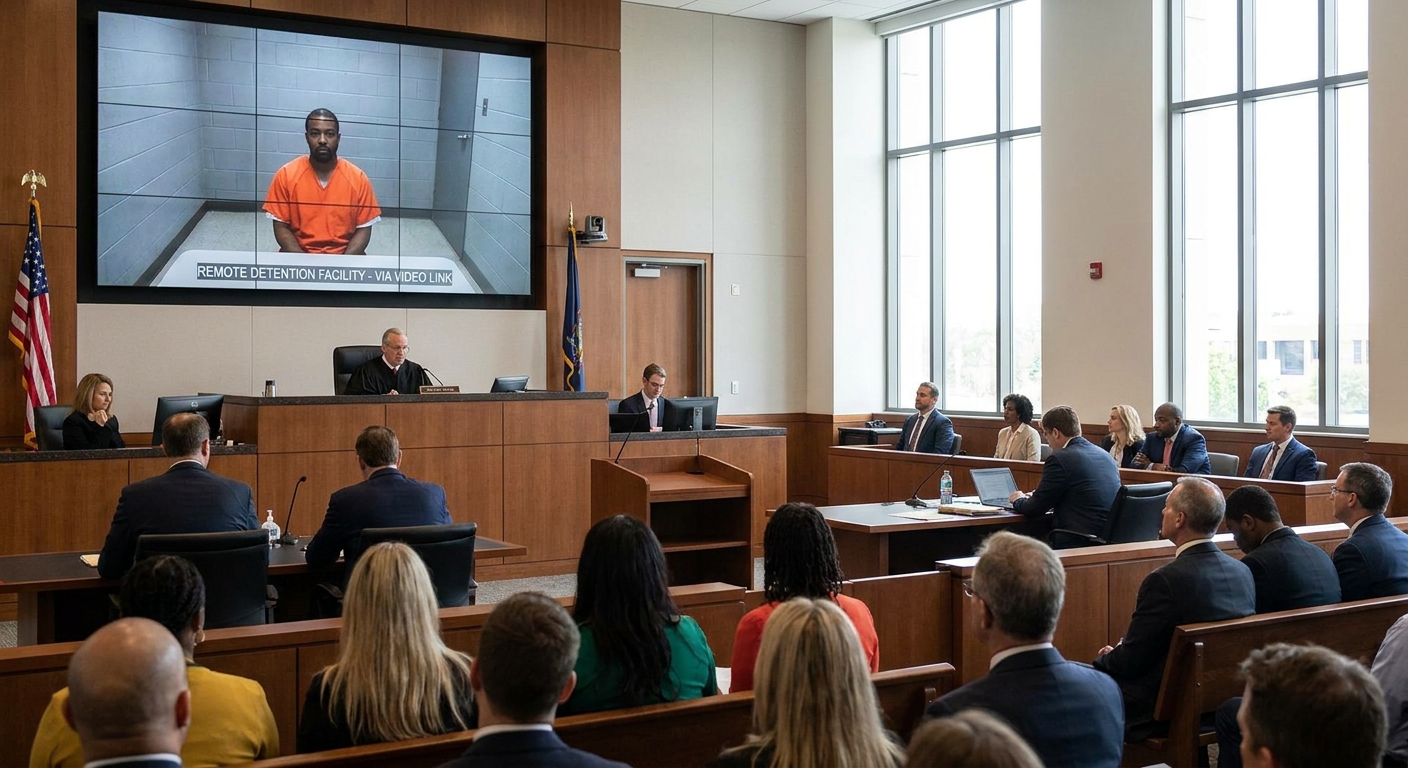
The setting of an immigration bond hearing in Arizona often involves specific local logistics that vary from other states. Most hearings for people held at the Eloy or Florence detention facilities are conducted through a video link to the Eloy immigration court rather than in person. This means the family may be sitting in the courtroom while their loved one appears on a screen, so organizing the evidence in advance matters even more, since it has to reach the court before the hearing begins.
- Appearance by video: The judge and attorneys typically communicate with the detained person through a television monitor.
- ICE attorney participation: A government attorney will be present to argue against release, often citing behavior inside the facility as a reason for denial.
- Evidence submission: All documents must be filed with the court clerk and served to the ICE attorney before the hearing begins.
- Judge’s ruling: The judge usually announces the decision immediately at the end of the session, including the specific dollar amount of the bond.
The judge sets that dollar amount using the same danger and flight-risk factors described above. Our guide on what determines the cost of an immigration bond walks through how that number gets set, and our guide on how to pay and reclaim an immigration bond covers what happens once a family is ready to post it.
Local ICE attorneys are known for being thorough during a bond hearing before the immigration court. They will look for any past immigration violations, such as previous deportations or entries without inspection, to argue that the person has no respect for the law. Being prepared for these arguments is just as important as having the right documents to prove community ties.
Procedural steps if the court denies the bond request
A negative outcome of the release process can feel like a final defeat, but several legal paths remain open for those willing to continue the process. If the judge denies the bond or sets an amount that the family cannot afford, the decision is not necessarily permanent. There are specific mechanisms to challenge the ruling or request a new look at the case if things change later.
- BIA appeal: You have the right to ask the Board of Immigration Appeals to review the judge’s decision if you believe a legal error was made.
- Changed circumstances: If new evidence becomes available that was not present at the first hearing, you may request a second hearing.
- Habeas corpus: In cases of extreme delay or legal errors, a habeas corpus petition in federal court might be a viable option to challenge continued detention.
- Administrative stay: Certain administrative requests with ICE can sometimes lead to release even after a bond denial, though this is discretionary.
If the court refuses to grant release, a careful review of the record for legal errors is often the next step, since a mistake in how the law was applied can be grounds to challenge the decision. Fighting a deportation case from inside a detention facility is significantly more difficult due to limited access to phones and documents. Identifying the next procedural step immediately after a denial helps keep the possibility of release alive while the main case moves forward.
No matter which path applies to your case, acting quickly and gathering strong documentation gives you the best chance at a favorable outcome. At Zava Immigration Law Group, we serve families across Phoenix, AZ, with clear guidance through these high-stakes hearings, and our team, made up of immigrants helping immigrants, understands the urgency of bringing a loved one home.
Frequently asked questions about immigration bond hearings
How soon after being detained in Eloy or Florence can we get a bond hearing?
The first question is not how soon, but whether the judge can hear the request at all: as explained above, how your family member entered the country decides that, and as of September 2026 many people who crossed without inspection fall outside the judge’s bond authority. When the judge does have that authority, a hearing can usually be requested shortly after the initial custody determination, and the date depends on the court’s calendar, which is why the wait varies so much from one case to the next. Asking early is reasonable, but taking the time to gather residency proof and tax records often leads to a better outcome, and going into the session without strong evidence risks a denial that is difficult to reverse.
Can family members testify in person at the immigration court in Phoenix?
Witnesses can often testify, but logistics depend on whether the judge allows telephonic or in-person participation. Since Eloy and Florence hearings usually happen via video link, the judge might only permit the respondent to speak while reviewing written statements from family members. Having a live witness available can sometimes clarify questions about a household’s stability, though the court’s schedule often limits how many people can speak during the session.
Who is allowed to pay the bond if the judge grants a release?
Federal rules require the person paying the bond, known as the obligor, to be a U.S. citizen or a lawful permanent resident with a valid Social Security number. This person must present their identification and proof of legal status at an ICE Enforcement and Removal Operations office. Because the money is held by the government until the entire case concludes, the sponsor should understand that these funds remain tied up for the duration of the legal proceedings.
What happens if we can only afford a small portion of the bond amount set by the judge?
If the set amount exceeds a family’s financial reach, you can request a motion for custody redetermination if new evidence of financial hardship or lower risk arises. Some families also work with private bond companies, which typically charge a non-refundable percentage and may require collateral like a home or vehicle. Failing to pay the full amount or secure a private bond means the individual must remain in custody throughout the trial.
Does getting out on bond mean the deportation case is over?
Securing a bond only changes the location of the legal fight; it does not grant legal status or end the removal proceedings. Once released, the case usually moves from the ‘detained’ docket to the ‘non-detained’ docket, which can significantly lengthen the time before the final trial. The individual must still attend every scheduled court date and follow any additional conditions, such as wearing a GPS monitor or checking in with ICE officers.
Sources and official resources
- EOIR: Learn About Immigration CourtOfficial source
- USCIS Policy ManualOfficial source

Jessica Anleu (formerly Jessica Lewis) is an experienced immigration lawyer in Phoenix with a decade of immigration experience.
All PostsRelated Posts
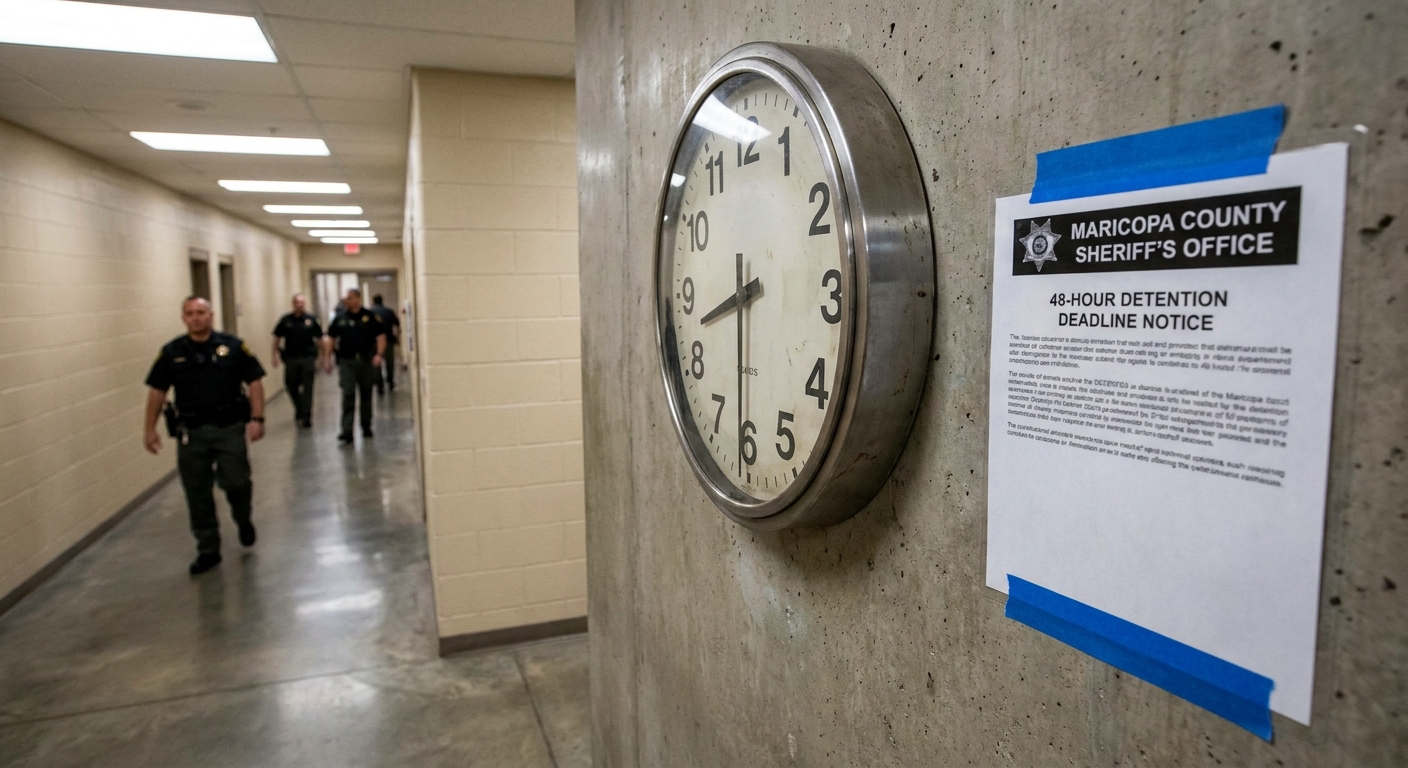
An immigration detainer and the 48 hour hold in Maricopa County
What an immigration detainer really means for a 48 hour hold in a Maricopa County jail, and the exact steps families should take before that window closes.
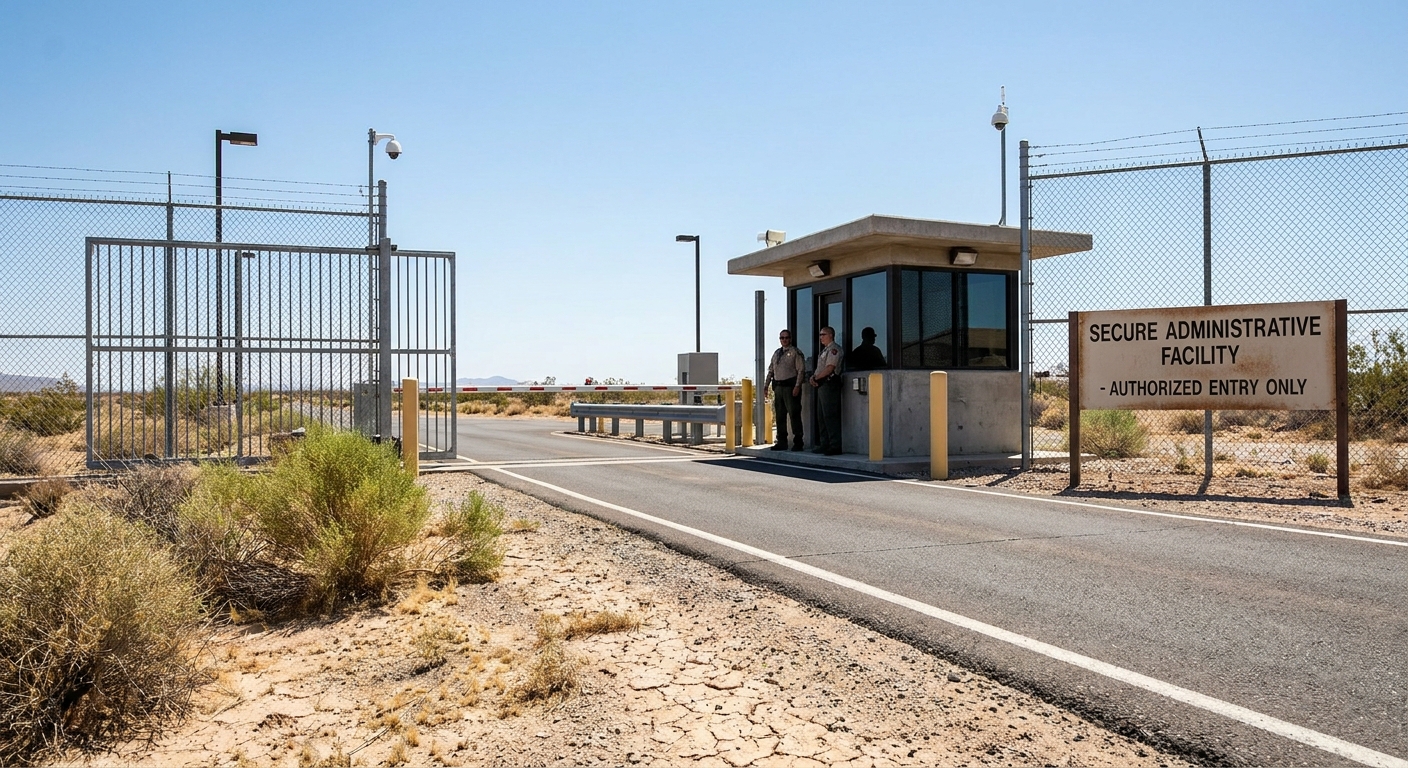
Preparing for your hearing at the Florence immigration court
The Florence immigration court operates inside one facility, but a nearby complex often gets confused with it. Here is how to tell them apart.
Court Blocks USCIS High Risk Country Hold
Reading time: 5 minutes The U.S. District Court for the Northern District of California has blocked the federal government’s policy that placed administrative freezes on applications from dozens of designated nations. On August 24, 2026, the court issued an injunction against the U.S. Citizenship and Immigration Services policies outlined in Policy Memorandu
Your privacy, your choice
With your permission, Google Analytics and Microsoft Clarity help us understand site use. Google Ads and Meta measure advertising. You can decline all or choose each category. Forms work with any choice.
Checked options stay off until you save them.