

Immigration Bond Eligibility and Release Options in 2026
Table of contents
When someone is detained by ICE, the first question is often whether release is legally available. Immigration bond eligibility does not depend only on family ties or the strength of a request. The law governing detention and the immigration judge’s jurisdiction come first.
That distinction matters because ICE may make an initial custody decision, but an immigration judge cannot review every detention case. A person may have strong community support and still fall within a category for which the judge lacks bond authority.
An immigration bond lawyer can review the detention documents, the claimed statutory authority, and the case history before the family invests time in a request the court may not have power to decide.
Who can ask an immigration judge to set bond?
Some people detained under INA 236(a) may ask an immigration judge to redetermine custody. Before the judge weighs danger or the likelihood of appearing, however, the court must determine that the detention category permits bond review and that the judge has jurisdiction over the request.
DHS, which includes ICE, makes the initial custody determination. Depending on the legal authority used, DHS may set a bond, keep the person detained, or impose release conditions. An immigration judge has a separate role and can act only within the authority assigned to the immigration court.
This is why an immigration bond eligibility analysis should begin with the custody paperwork and the government’s stated basis for detention. The sequence matters: detention authority first, judicial jurisdiction second, and discretionary factors third. Evidence about relatives, residence, employment, or community support cannot create jurisdiction where the law withholds it.
The phrase “immigration bail” is sometimes used in everyday conversation, but the official process is generally called an immigration bond or bond redetermination. Whatever term a family uses, release is not automatic, and no single fact establishes eligibility for every detained person.
Who may be held without an immigration judge bond hearing?
Several detention categories can place a case outside an immigration judge’s bond jurisdiction. For immigration bond eligibility, that threshold is more important than presenting discretionary evidence too early. The following are broad categories, not a checklist that can decide an individual case:
- People present without admission. Under current BIA precedent, an immigration judge lacks authority to hear or grant a bond request for a person present in the United States without having been admitted.
- Arriving aliens and certain detentions under INA 235. These cases follow different custody rules and generally are not placed within ordinary immigration judge bond review.
- Certain mandatory detention cases under INA 236(c). The government may claim that the person’s immigration or criminal history places the case in a category where the judge cannot grant bond.
For people present without admission, the BIA’s 2025 Matter of Yajure Hurtado decision states that immigration judges lack authority to consider or grant bond. As of September 2026, that is the governing administrative precedent, and it cannot be replaced by a general claim that entry without inspection merely makes bond harder to obtain.
The exact classification still requires individual review. This is the current BIA administrative rule, but a federal court order binding in the relevant jurisdiction may affect an individual case. A broad online list cannot determine whether DHS used the correct authority or whether a particular immigration court has jurisdiction.
How ICE and immigration judge bond decisions differ
ICE and the immigration court perform different functions. An ICE decision does not automatically create a right to review by a judge, and a judge cannot simply replace the agency’s decision when jurisdiction is absent.
| Question | ICE or DHS | Immigration judge |
|---|---|---|
| Who makes the first custody decision? | DHS, usually through ICE, makes the initial determination after detention. | The judge does not make the agency’s initial custody decision. |
| Can the decision be reviewed? | ICE may receive a custody or bond request through the appropriate field office. | A judge may redetermine custody only when the court has jurisdiction. |
| How is review requested? | The process depends on the ICE office and the person’s custody posture. | A bond request generally is made in writing, may sometimes be made orally, and has no filing fee. |
| What can the result be? | ICE may maintain detention, set a bond, or impose applicable release conditions. | Within the court’s authority, the judge may maintain detention or redetermine the bond or conditions. |
A request should identify the detained person, the location of detention, and the amount set by DHS when one has been set. Those details help the court locate the custody matter, but they do not cure a jurisdictional problem or guarantee that the judge will grant release.

What the judge considers after eligibility is established
Jurisdiction opens the door to a bond decision, but it does not decide the outcome. Once the court confirms its authority, the judge evaluates whether release is appropriate under the standards applied in bond proceedings.
- Danger to persons or property. The judge considers whether the record shows a risk to public safety.
- National security. The court also considers whether release would present a national security concern.
- Likelihood of appearing and complying. The judge evaluates whether the person is likely to attend future proceedings and follow applicable orders.
These factors do not create jurisdiction. They matter only after the judge has authority to decide custody. EOIR’s current bond-proceedings guidance describes the court process, while an immigration bond hearing is where the parties address evidence and the judge’s custody determination.
Family relationships, a stable residence, work history, or community support may form part of the record, depending on the case. They are not a guaranteed formula, and they should not be treated as substitutes for reviewing detention authority, criminal and immigration history, and the evidence DHS may present.
What bond eligibility does not decide
Immigration bond eligibility does not set the dollar amount. A person may fall within the judge’s authority and still face a separate decision about detention, conditions, or bond amount. The factors and practical distinctions behind how much an immigration bond costs belong to that later question.
Eligibility also does not explain the payment procedure. Payment begins only after an authorized decision sets a bond. The accepted methods, payer information, and administrative steps for how to pay an immigration bond are separate from deciding whether a judge can consider release.
Responsibilities after release on bond
Release on bond changes custody, not the underlying immigration case. The person must continue responding to the authorities and proceedings that apply to the case.
- Attend immigration court hearings. Missing court can lead to serious consequences in the removal case, subject to the rules on notice and proceedings in the person’s absence.
- Follow the specific ICE release conditions. Reporting requirements and other conditions depend on the custody decision and should be read from the documents issued in that case.
- Keep contact information current. EOIR requires a change of address or telephone number to be reported to the immigration court within five business days using Form EOIR-33/IC. ICE may require a separate update.
A bond contract and a removal proceeding are related but distinct. A failure to satisfy a bond condition can lead to a bond breach determination. Missing a court hearing can affect the removal case and may result in proceedings in the person’s absence when the legal requirements are met. Neither consequence should be described as one automatic event.
If circumstances change after a judge has already issued a bond decision, a later request generally must be submitted in writing and show materially changed circumstances. The court must still have jurisdiction. A new request is not an automatic second opportunity to present the same facts.

If someone in your family is detained, Zava Immigration Law Group can review the detention authority, the immigration judge’s jurisdiction, and the available release options. The goal is to identify the correct path for the specific case without treating bond as automatic or promising a particular result.
Frequently asked questions about immigration bond eligibility
Does entering the United States without inspection affect immigration bond eligibility?
Yes. Under the BIA’s current precedent, an immigration judge lacks authority to hear or grant bond for a person present in the United States without having been admitted. The exact detention classification and any court order applicable to the individual case still need review, but community ties alone cannot create jurisdiction.
Can an immigration judge always review an ICE bond denial?
No. An immigration judge can redetermine custody only when the court has jurisdiction under the detention rules that apply to the person. An ICE denial or a bond amount that a family cannot afford does not, by itself, give the judge authority to review the case.
Does a criminal record automatically prevent immigration bond?
Not in every case. Criminal history can affect the detention authority, including whether the government claims mandatory detention, and it can also affect the judge’s assessment if jurisdiction exists. The result depends on the legal basis for detention and the individual record, not on a simplified list of offenses.
Can a judge reconsider bond after an earlier decision?
Sometimes. After an earlier bond decision, a later request generally must be made in writing and show that circumstances have materially changed. The immigration judge must still have jurisdiction, and presenting the same facts again does not require the court to reach a different result.
Does release on bond end the removal case?
No. Bond determines whether the person may be released from immigration custody under conditions while the case continues. It does not grant immigration status, cancel the charges, or decide the result of the removal proceeding. The person must continue attending court and complying with applicable release conditions.
Sources and official resources
- the BIA’s 2025 Matter of Yajure Hurtado decisionOfficial source
- EOIR’s current bond-proceedings guidanceOfficial source
- EOIR: Learn About Immigration CourtOfficial source
- USCIS Policy ManualOfficial source

Jessica Anleu (formerly Jessica Lewis) is an experienced immigration lawyer in Phoenix with a decade of immigration experience.
All PostsRelated Posts
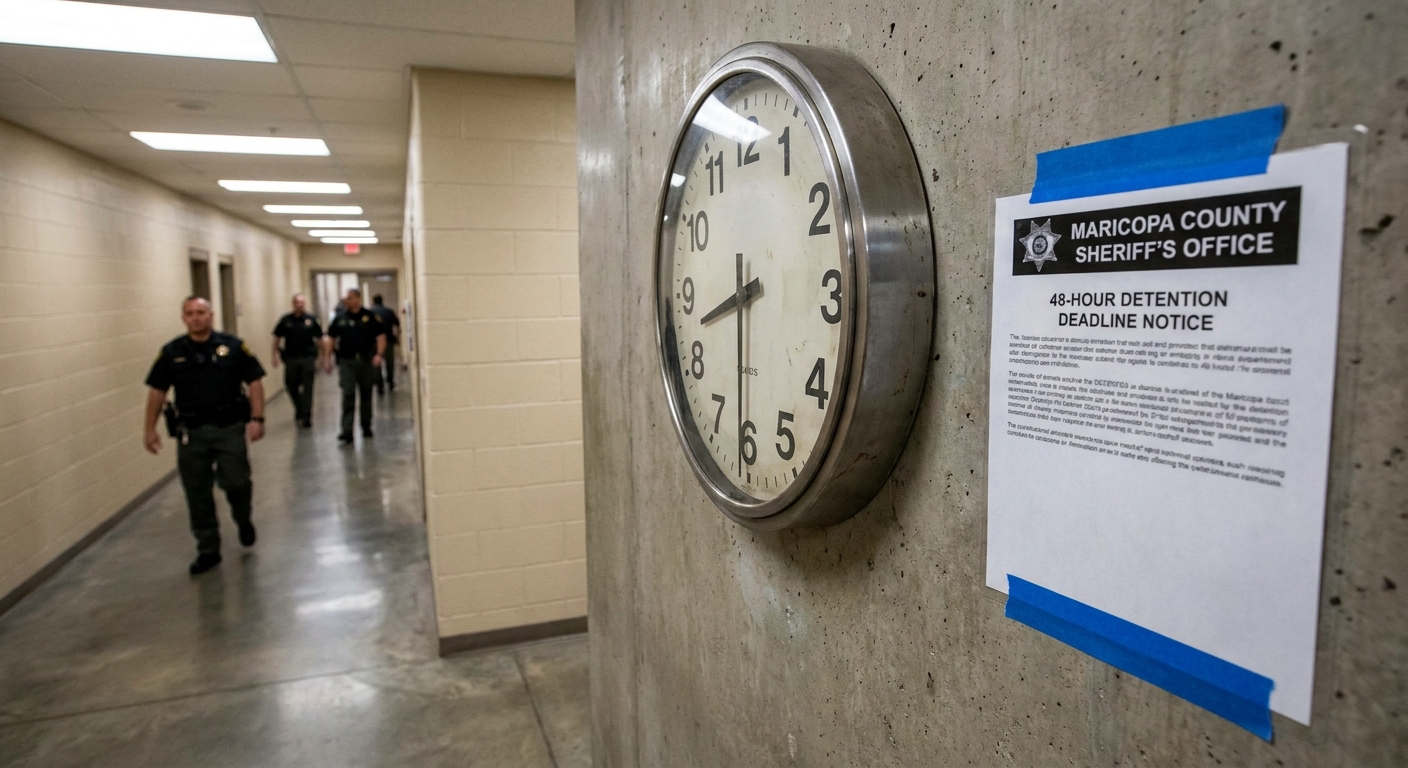
An immigration detainer and the 48 hour hold in Maricopa County
What an immigration detainer really means for a 48 hour hold in a Maricopa County jail, and the exact steps families should take before that window closes.

Preparing for your hearing at the Florence immigration court
The Florence immigration court operates inside one facility, but a nearby complex often gets confused with it. Here is how to tell them apart.

How the judge decides if you go home at an immigration bond hearing
An immigration bond hearing decides if you can leave detention while your case continues. Here is what the judge weighs before deciding your case.
Your privacy, your choice
With your permission, Google Analytics and Microsoft Clarity help us understand site use. Google Ads and Meta measure advertising. You can decline all or choose each category. Forms work with any choice.
Checked options stay off until you save them.