
How to Pay an Immigration Bond Step by Step
Table of contents
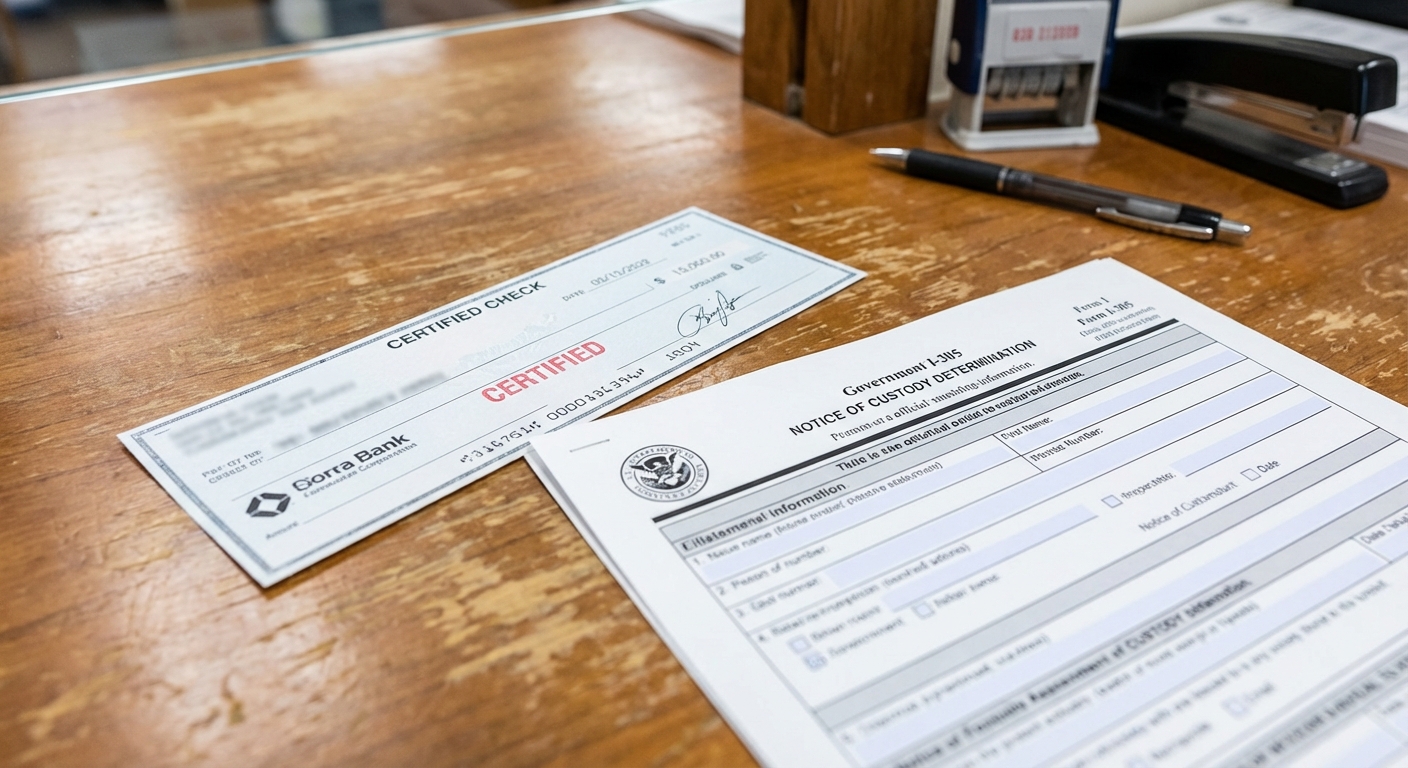
Learning how to pay an immigration bond starts with one essential fact: ICE or an immigration judge must already have set the amount. Once set, an eligible payer can usually use CeBONDS online or visit an ICE Enforcement and Removal Operations bond acceptance office.
Payment rules can change. Zava Immigration Law Group recommends checking the ICE portal or ERO office instructions in effect on the day funds are sent; the federal sources cited here were current on September 12, 2026.
Choose the payment path that fits your situation
ICE currently offers two ways to post many cash immigration bonds:
- Online: Submit the request through CeBONDS and pay by Fedwire or Automated Clearing House, commonly called ACH.
- In person: Visit the appropriate ICE ERO bond acceptance office and follow that office’s instructions for an accepted cashier’s check or money order.
Here, a cash bond means that the full bond amount is posted instead of using a surety company. It does not mean that ICE accepts physical currency. The ICE bond payment page provides the official online starting point.
If you plan to use a surety company, ask the company to explain its contract, collateral, fees, and posting process. That private arrangement is different from paying the full cash bond through CeBONDS or at an ICE office.
Confirm the bond details before you pay
Before starting either payment path, confirm that a bond has been set and collect the details that identify the detained person and the bond. A practical starting list includes:
- The detained person’s full legal name and Alien Registration Number, or A-number.
- The bond type and exact amount.
- The current detention facility and the ICE office handling the case.
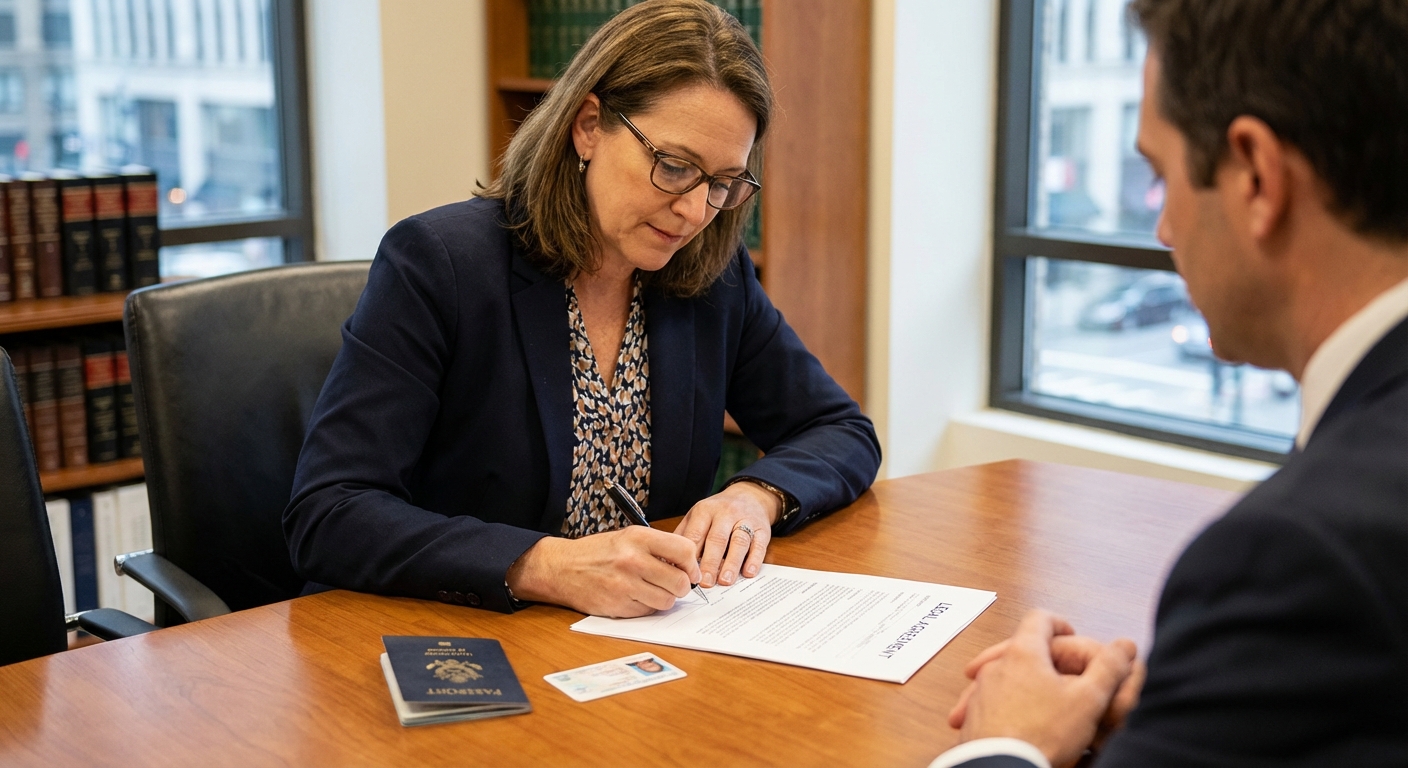
- The payer’s identification, contact information, and tax identification information requested for the obligor record.
If you still need to find someone detained by ICE, complete that step first. A name alone may not be enough to match the correct record, especially when people have similar names.
Payment is also different from immigration bond eligibility. Some people are subject to detention rules that limit or remove an immigration judge’s bond jurisdiction. DOJ’s bond proceedings guidance explains those limits. Do not assume that every detained person can obtain a bond.
If the amount has not been set or needs to be challenged, learn what happens at an immigration bond hearing. If the amount is already known but you need context, review how much an immigration bond costs.
Understand who can post the bond
The person or organization that posts the bond is the obligor. The obligor signs the bond contract, receives official notices, and takes responsibility for complying with its terms. This is a serious legal and financial role, not simply a transfer of money for someone else.
A common rule of thumb says that only a U.S. citizen or lawful permanent resident can post any immigration bond. That statement is too broad. For delivery cash bonds, ICE’s CeBONDS materials also recognize law firms and nonprofit organizations as payer categories. The portal asks for information and supporting documents based on the category selected.
A noncitizen may also be able to post their own voluntary departure bond or order of supervision bond. Because the permitted payer depends on the bond type and circumstances, use the instructions shown in CeBONDS or confirm them with the responsible ERO office before arranging payment.
The detained person is not necessarily the obligor. Before accepting that role, the payer should understand the contract, keep their address current with ICE, and be prepared to respond to any future bond notices.
How to pay an immigration bond online through CeBONDS
CeBONDS is ICE’s official internet-based system for cash immigration bonds. It lets the payer request bond verification, submit the required information, make the payment, and receive electronic notifications connected to the transaction.
- Open the official CeBONDS portal and sign in or create the required account.
- Enter the detained person’s identifying information and the bond details.
- Select the payer category and upload the documents the system requests.
- Review the obligor information and bond terms carefully before submitting.
- Follow the payment instructions for Fedwire or ACH through your financial institution.
- Return to CeBONDS and upload the transfer confirmation and bond contract when the current portal instructions request them.
- Submit the documents for ICE review, then save the request, confirmation, and every notice from ICE.
Fedwire and ACH are not interchangeable. They may involve different bank procedures and processing times, so confirm the option with your financial institution before initiating the transfer. A submitted bank transfer is not the same as ICE having verified and posted the bond.
Pay in person at an ERO office
ICE also continues to serve walk-in obligors at designated ERO bond acceptance offices. This can be useful when online payment is not appropriate or when the payer needs office-specific assistance.
Before traveling, find the correct ERO bond acceptance office and verify its local instructions. ICE publishes general acceptance hours of 9 a.m. to 3 p.m. local time, Monday through Friday, excluding federal holidays, but office details can change.
Ask the office which instrument to bring, how it must be made payable, and which identification or supporting documents apply to the obligor. The Federal Register discussion of bond payment options distinguishes walk-in instruments, such as cashier’s checks or money orders, from online Fedwire and ACH payments. ICE does not accept physical cash.
Do not rely on an old checklist or prepare a payment instrument before confirming the amount and office instructions. A mismatch in the name, amount, office, or payer documentation can create avoidable delays.
Save the contract and payment records
The current immigration bond contract is Form I-352. It identifies the obligor, the bonded person, the bond type, and the conditions that apply. Keep the completed contract with the records for the payment.
Keep a complete copy of the signed contract, the CeBONDS submission or office receipt, the bank transfer or payment-instrument record, and all later ICE notices. Store digital copies as well as the originals you receive.
The obligor should also keep contact information current with ICE. Bond notices can require action, and missing one can have financial consequences. If the bond is later canceled, these records will help the obligor follow the refund instructions that apply at that time.
What happens after ICE receives the payment
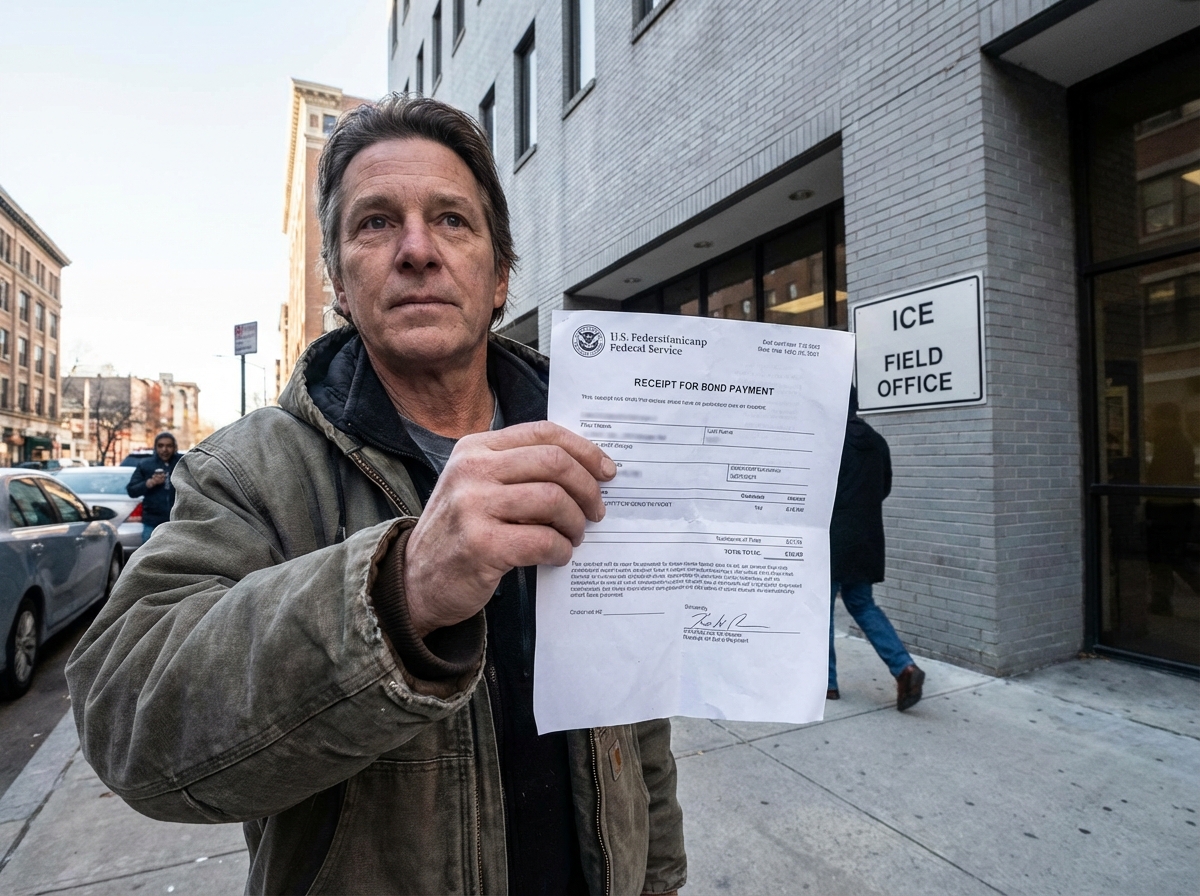
ICE must match, verify, and post the payment before the release process can move forward. The time depends on the payment rail, the accuracy of the submission, ICE processing, and coordination with the detention facility. No single release estimate applies to every case.
Monitor the CeBONDS account and email for notices if you paid online. For an in-person transaction, keep the office receipt and ask how to check status. If there is a problem, contact the responsible ERO office or detention facility with the A-number and payment confirmation available.
Posting the bond allows release under the bond conditions, but it does not end the immigration case or erase future hearing obligations. The bonded person and obligor must understand and follow every notice issued after release.
When the bond amount, payer role, or release conditions are unclear, an experienced immigration bond attorney can review the documents and help the family identify the correct next step.
Zava Immigration Law Group helps families in Phoenix and across Arizona navigate detention and bond matters with clear, case-specific guidance. Call us to discuss the situation before a preventable payment error adds more stress.
Frequently asked questions about immigration bond payments
These short answers address the practical questions families most often have before submitting an immigration bond payment.
Can I pay an immigration bond online?
Yes. ICE uses CeBONDS for online cash immigration bond payments. The payer submits the bond request and required information, then follows the instructions for a Fedwire or ACH transfer. The payment is not complete until ICE verifies and posts it.
Can I pay an immigration bond in person?
Yes. ICE continues to accept walk-in bond transactions at designated ERO bond acceptance offices. Confirm the correct office, current hours, required documents, and accepted payment instrument before traveling. Physical cash is not accepted.
Can someone without U.S. citizenship pay the bond?
It depends on the bond type and payer category. Delivery bond payer categories can include lawful permanent residents, law firms, and nonprofit organizations, in addition to U.S. citizens. A noncitizen may also post certain bonds for themselves. Confirm the category before payment.
How long does release take after the bond is paid?
There is no universal release time. ICE must verify and post the payment, and the detention facility must complete its release process. Monitor official notices and contact the responsible ICE office or facility if you need case-specific status.
Sources and official resources
- ICE bond payment pageOfficial source
- DOJ’s bond proceedings guidanceOfficial source
- Form I-352Official source
- EOIR: Learn About Immigration CourtOfficial source
- USCIS Policy ManualOfficial source

Jessica Anleu (formerly Jessica Lewis) is an experienced immigration lawyer in Phoenix with a decade of immigration experience.
All PostsRelated Posts
An immigration detainer and the 48 hour hold in Maricopa County
What an immigration detainer really means for a 48 hour hold in a Maricopa County jail, and the exact steps families should take before that window closes.

Preparing for your hearing at the Florence immigration court
The Florence immigration court operates inside one facility, but a nearby complex often gets confused with it. Here is how to tell them apart.

How the judge decides if you go home at an immigration bond hearing
An immigration bond hearing decides if you can leave detention while your case continues. Here is what the judge weighs before deciding your case.
Your privacy, your choice
With your permission, Google Analytics and Microsoft Clarity help us understand site use. Google Ads and Meta measure advertising. You can decline all or choose each category. Forms work with any choice.
Checked options stay off until you save them.