
What happens when your family member has a hearing at the Eloy immigration court
Table of contents
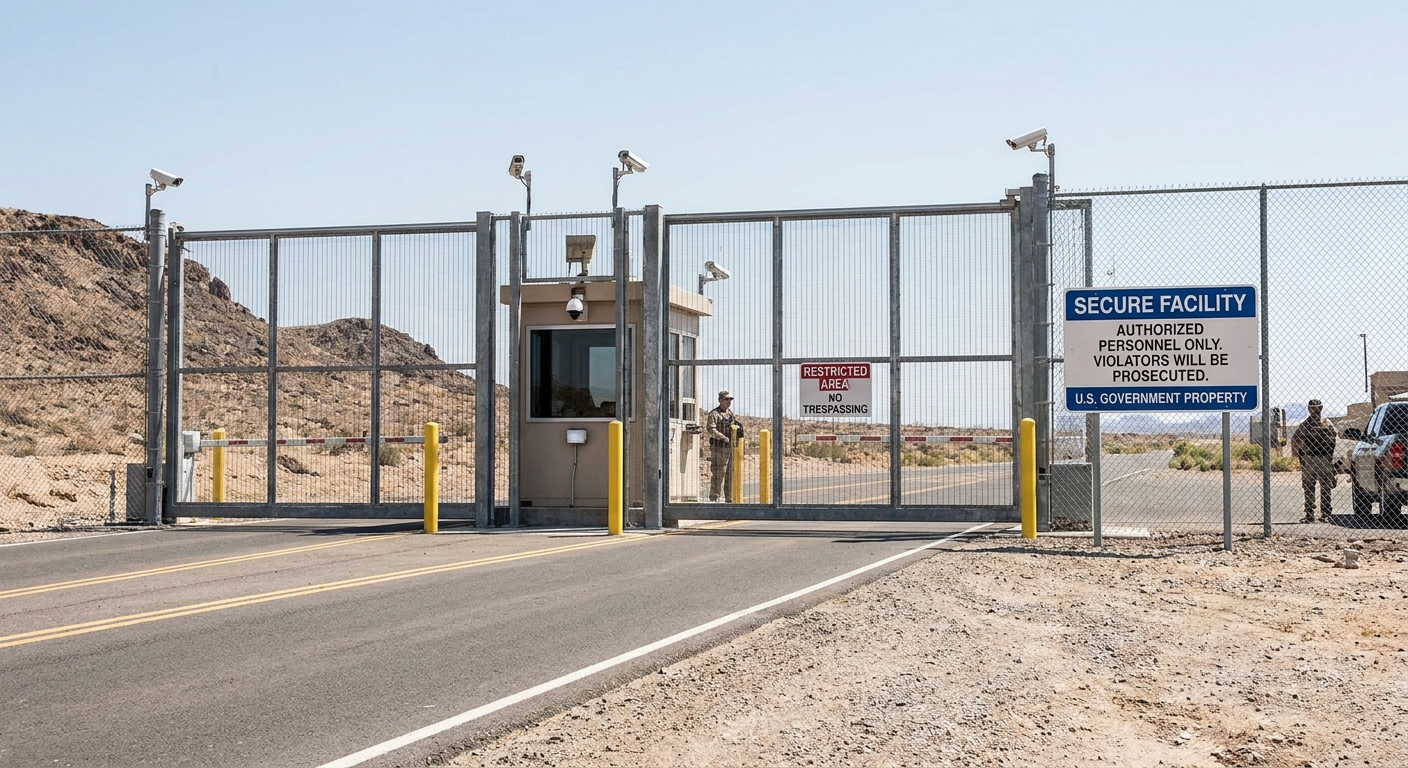
The Eloy Immigration Court is located at 1705 E. Hanna Road, Suite 366, Eloy, AZ 85131, physically inside the Eloy Detention Center. This placement means your family member is usually already in custody and will be escorted to the courtroom by facility staff, rather than arriving from the street.
Because this is a detained setting, standard courthouse habits do not apply. If you’re still trying to locate your family member, our guide on how to locate someone detained by ICE can help, and the automated case line at 1-800-898-7180 can confirm hearing dates and status.
Families often find the best way to protect a loved one is by coordinating with a deportation defense lawyer who understands this Arizona facility. Understanding what to expect can reduce the disorientation many families feel during these appearances.
What the judge does during the Master Calendar hearing at the Eloy Immigration Court
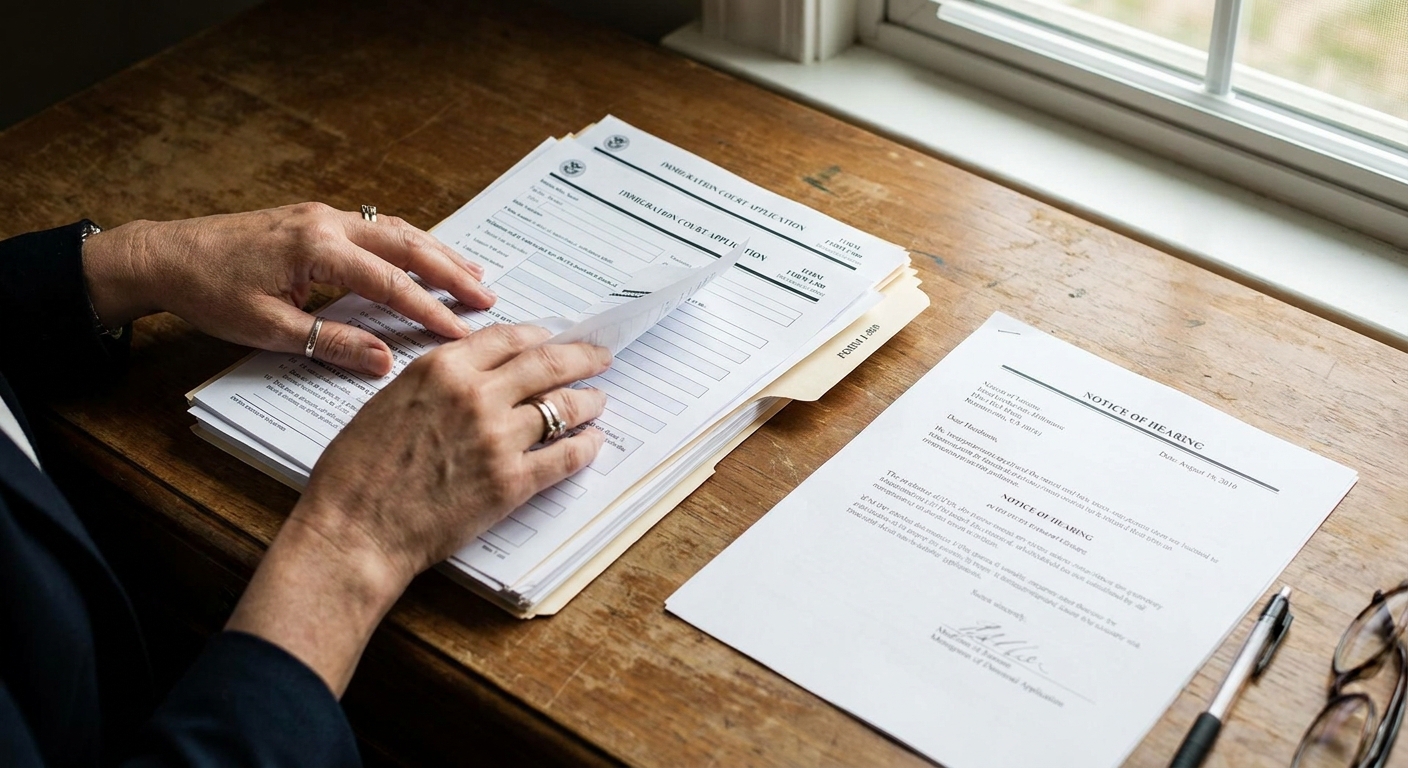
Once you understand the basic logistics of the facility, the first hearing your family member faces is usually a Master Calendar hearing. This is a brief session where the judge verifies identity, confirms language, and reads the charges.
It’s a scheduling phase, not a final trial: the court sets deadlines for applications and future filings rather than deciding the case that day.
If your family member lacks legal representation, the judge might grant an extension to find a lawyer, though this is not guaranteed. At this stage, the court identifies what forms of relief the person may pursue, such as asylum or cancellation of removal; whether someone actually qualifies is decided later, not at this hearing.
Failing to respond correctly can result in a waiver of defenses, making it harder to challenge removal later.
Navigating the entrance of the Eloy Arizona immigration court
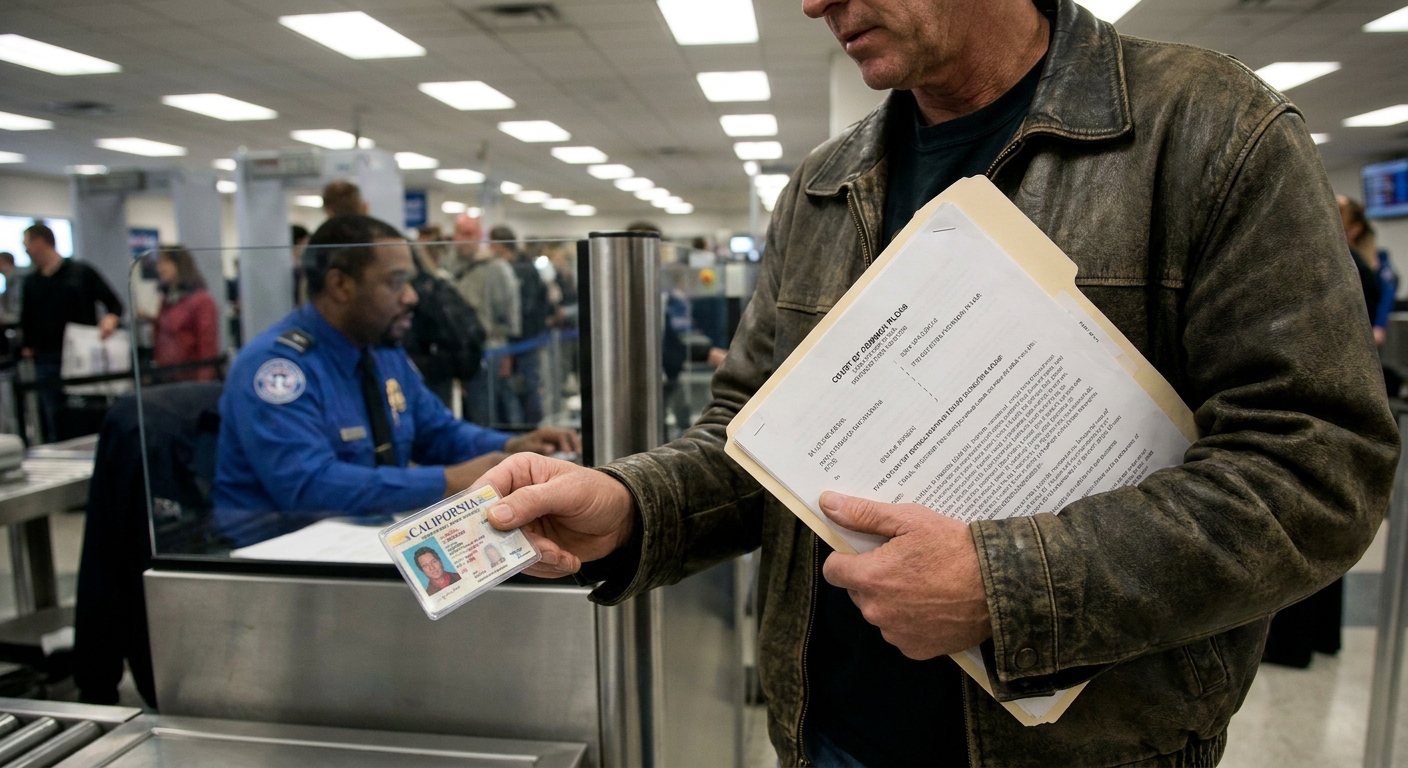
While the court focuses on these legal defenses, your ability to support your family member depends on reaching the hearing in person. Attending a hearing requires passing through the primary security gate of the Eloy Detention Center.
Because the Eloy Arizona immigration court shares an address with a high-security facility, visitors undergo thorough screening similar to airport security. You should arrive well in advance to make sure you clear checkpoints before the judge takes the bench.
Eloy is one of a few locations that handle immigration cases near Phoenix. If you’re unsure whether your family member’s hearing is actually at this facility, our overview of the Phoenix immigration court explains how hearings get assigned to Tucson, Eloy, or Florence.
Accessing the specific court wing requires valid identification and adherence to a strict dress code. Many families arrive expecting a standard lobby, but staff maintains tight control over movement.
Bringing children or large bags is discouraged, since waiting space is extremely limited and security may deny entry for items that don’t meet safety guidelines.
There is one more thing worth knowing before you make the drive. Under federal regulation, immigration hearings are presumptively open to the public and you are not required to tell the court in advance that you plan to attend. In practice, the rule and what happens at the door do not always match: at the Florence court in February 2026, reporters were told that attending any hearing needed the judge’s approval, and journalists documented that access to these detention courts often depends on what staff and security decide that day. Because the rule and the practice do not always match, call the case information line before you go and be ready to ask staff to check with the judge.
- Arrive early: Security lines at the detention gate can be unpredictable.
- Valid identification: A current state ID or passport is required for entry.
- Electronic devices: Most detention facilities prohibit cell phones inside the courtroom wing.
- Clear security: Be prepared for metal detectors and physical inspections of all personal items.
Legal representation risks at the Eloy Immigration Court
Even if you navigate the security checkpoints successfully, the high case volume creates a difficult environment for those without professional counsel. Many people proceed alone at the Eloy Immigration Court, which increases the chance of missing a technical filing deadline.
According to TRAC’s judge-by-judge reports for Eloy, consulted in September 2026, representation ranges from roughly a third to just under half of cases, depending on the judge and the fiscal year. In practice, that means more than half of the people who appear do not have a lawyer with them.
Case volume means delays at the Eloy Immigration Court can add extra weeks of detention for your family member. Working with immigration bond attorneys early keeps the focus on the legal requirements for release while the removal case continues, and our overview of how long an immigrant can be detained covers the general limits and exceptions that may apply.
Nationally, the immigration court system was carrying more than 3.19 million pending cases as of June 2026, according to TRAC. That volume affects how quickly any case can move forward, though it isn’t a number specific to Eloy alone.
Outcomes after the immigration judge makes a decision
Because the court moves quickly through its heavy docket, the period immediately following a judge’s ruling is the most critical for your next steps. After the initial hearing, the judge may schedule an individual hearing, which serves as the final trial where witnesses testify.
At the Eloy Arizona immigration court, the judge decides separately whether to grant relief or issue a removal order. If bond is denied, that decision affects only where your family member waits while the case continues; it does not decide the deportation case itself. Options such as an appeal remain available within the required timeframe.
In complex situations where detention is prolonged, families may seek legal counsel for habeas corpus to challenge the custody in federal court. Decisions are administrative and can be appealed, but the person often remains detained. Taking the correct steps after a ruling helps prevent a final removal order from being carried out prematurely.
Missing a deadline in the Eloy system can lead to a removal order that is difficult to reverse. As immigrants helping immigrants, our Phoenix, AZ-based team can walk you through the specific risks your family member faces while detained.
Frequently asked questions about Eloy Immigration Court
Can I talk to my family member during the court break?
Interaction with detainees is generally prohibited inside the courtroom wing of the Eloy facility. While you may sit in the same room, security protocols usually forbid physical contact, passing notes, or speaking directly to your loved one during the hearing itself. Facility staff and guards strictly enforce these rules to maintain order. Any visitation happens separately, on the detention center’s own schedule and conditions, so it’s worth calling the facility at 520-466-4141 beforehand to confirm what a visit actually involves.
What should I wear when attending a hearing at the Eloy facility?
Professional or modest attire is expected for anyone entering the court wing. Security staff may deny entry to visitors wearing shorts, tank tops, flip-flops, or clothing with offensive language. Because the court is located within a high-security detention center, the dress code is often more strictly enforced than in public buildings. Choosing conservative clothing helps you pass through security checkpoints without delays and maintains the decorum required by the immigration judge.
Will the judge decide on deportation at the very first hearing?
Master Calendar hearings usually focus on administrative details rather than final deportation orders. The judge typically uses this time to verify information and set future deadlines for applications. However, if an individual admits to all charges and does not request any form of legal relief or an extension to find a lawyer, the judge may issue a removal order. In most cases, the process involves multiple stages before a final decision is reached.
What happens if I am late because of the long security line at the gate?
Arriving late may result in you missing the hearing entirely, as judges often proceed according to a strict schedule. While the court is inside the facility, security at the main gate operates independently. If you are not in the courtroom when the case is called, the judge may conduct the hearing without your presence. It is common for visitors to spend significant time clearing the perimeter checkpoint before reaching the court wing.
Can I bring documents or evidence for the judge to see during the hearing?
Bringing physical evidence to the first hearing is generally not effective unless it has been filed with the court beforehand. Immigration proceedings follow specific evidence submission rules, often requiring documents to be translated and submitted by a specific deadline. Handing papers directly to the judge or the government attorney during a Master Calendar hearing is usually not permitted. A legal representative can ensure your evidence is properly filed and included in the official record.
How can I request a bond hearing if my family member is still detained?
A request for a bond redetermination is usually separate from the Master Calendar hearing, and whether the judge can consider it at all depends first on how your family member entered the country. As of September 2026, immigration judges are applying a Board of Immigration Appeals decision that treats most people who entered without inspection as applicants for admission, which places them outside the judge’s bond authority. That interpretation is being challenged in the federal courts and has not been settled, but it is the rule being applied in Arizona right now. When the judge does have authority to set bond, you or a representative can request the hearing orally during an appearance or by written motion, and the judge weighs whether the person is a flight risk or a danger to the community before setting an amount.
Sources and official resources
- EOIR: Learn About Immigration CourtOfficial source
- USCIS Policy ManualOfficial source

Jessica Anleu (formerly Jessica Lewis) is an experienced immigration lawyer in Phoenix with a decade of immigration experience.
All PostsRelated Posts

An immigration detainer and the 48 hour hold in Maricopa County
What an immigration detainer really means for a 48 hour hold in a Maricopa County jail, and the exact steps families should take before that window closes.

Preparing for your hearing at the Florence immigration court
The Florence immigration court operates inside one facility, but a nearby complex often gets confused with it. Here is how to tell them apart.

How the judge decides if you go home at an immigration bond hearing
An immigration bond hearing decides if you can leave detention while your case continues. Here is what the judge weighs before deciding your case.
Your privacy, your choice
With your permission, Google Analytics and Microsoft Clarity help us understand site use. Google Ads and Meta measure advertising. You can decline all or choose each category. Forms work with any choice.
Checked options stay off until you save them.