
Preparing for your hearing at the Florence immigration court
Table of contents
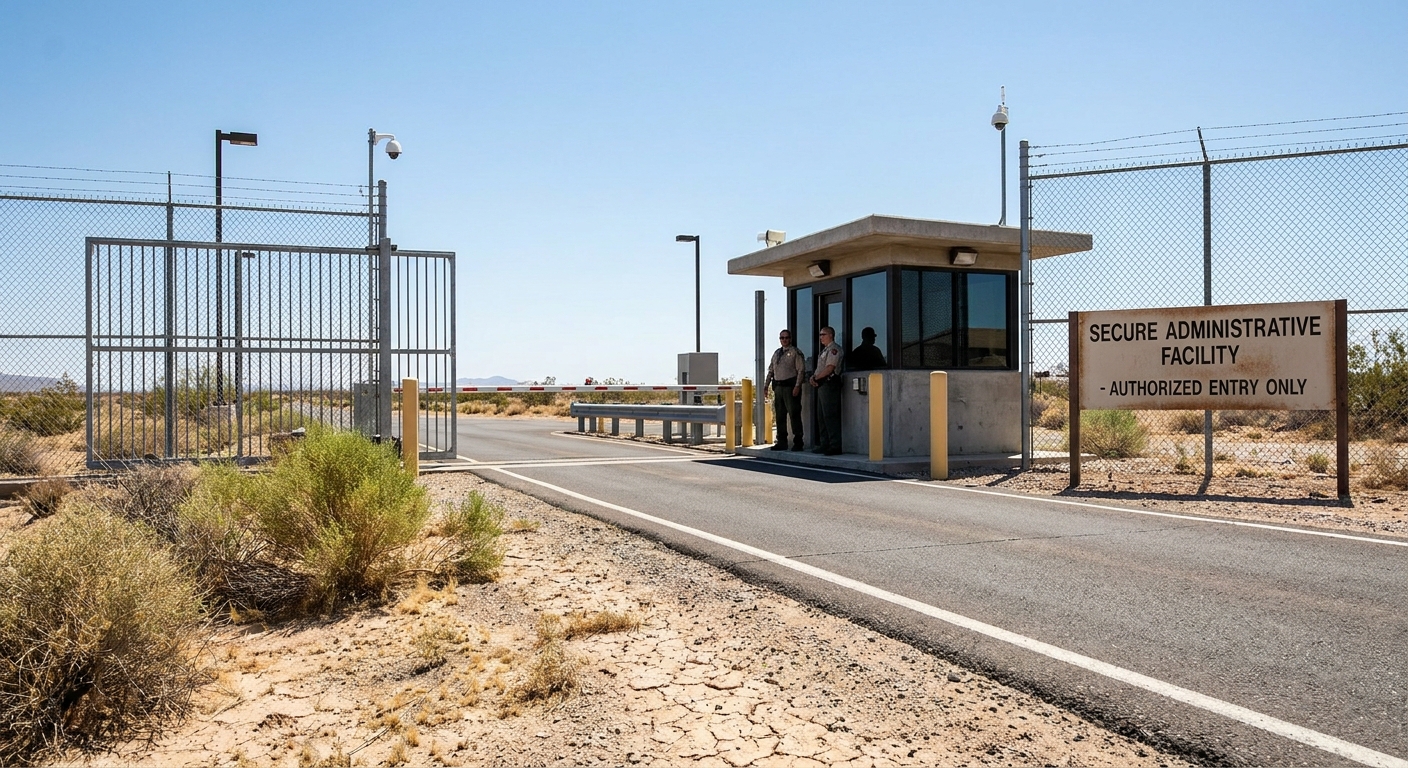
The Florence immigration court sits at 3260 N. Pinal Parkway Avenue in Florence, Arizona, inside a high-security complex where procedural precision matters for every detainee and family member. This location works as a hub for people held in local detention, so hearings here tend to move faster than the non-detained dockets you see in larger cities.
Arriving at the correct gate is the first obstacle for many families, since more than one facility shares this stretch of Pinal Parkway, each with its own entrance and rules. Working with an experienced deportation attorney helps you manage these logistical hurdles while keeping the legal defense ready for the rapid pace of the Florence docket.
Missing the correct entrance, or arriving late to a security checkpoint, can mean a hearing proceeds without the people who needed to be there.
Two Florence facilities that are easy to confuse
The Florence immigration court and the Florence Service Processing Center share the same address: 3260 N. Pinal Parkway Avenue.
The Florence Service Processing Center, an ICE-run facility, sits at this address, and the court operates from inside it, according to the Department of Justice’s Executive Office for Immigration Review.
A separate facility, the Central Arizona Florence Correctional Complex, is often confused with these two, but it sits at a different address on the same road: 1155 North Pinal Parkway.
CoreCivic, a private company, operates the Central Arizona Florence Correctional Complex under contract with ICE. Knowing which address applies to your family member before you drive to Florence can save you from arriving at the wrong gate entirely.
| Facility name | Address | Operated by |
|---|---|---|
| Florence Immigration Court | 3260 N. Pinal Parkway Avenue (inside the Service Processing Center) | EOIR (Department of Justice) |
| Florence Service Processing Center | 3260 N. Pinal Parkway Avenue | U.S. Immigration and Customs Enforcement (ICE) |
| Central Arizona Florence Correctional Complex | 1155 North Pinal Parkway | CoreCivic (private, under contract with ICE) |
Hearings at the Florence immigration court can involve respondents held inside the Service Processing Center, or at the Central Arizona Florence Correctional Complex, which is a separate address.
Because the two facilities have different security protocols, entrances, and operators, it helps to confirm which one holds your family member through ICE’s online detainee locator before you travel.
This preparation can prevent the frustration of arriving at the wrong gate while a judge is ready to call the case.
How video technology affects your day at the Florence immigration court
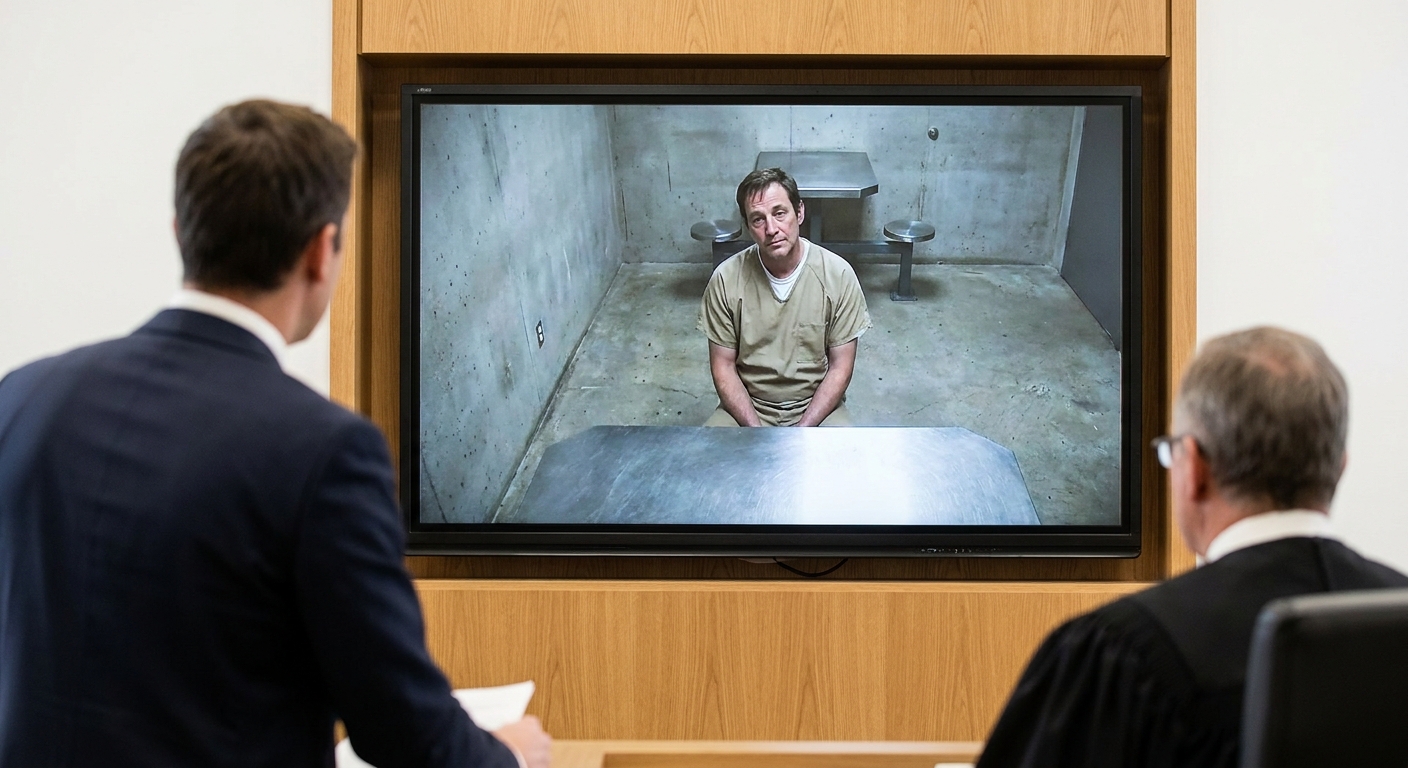
Hearings at the Florence immigration court rely heavily on video teleconferencing, which means the person in proceedings is often not in the same room as the judge.
While the judge and the attorneys may be in the courtroom, the detainee usually stays in a dedicated room within their housing unit. This physical separation creates unique communication barriers that can complicate a case.
An immigration judge in Florence handles a high volume of cases every day, often moving from one video screen to the next with little transition time.
This digital format makes it hard for a respondent to see the judge’s reactions, or to quietly ask their legal representative a question. Frozen screens and audio delays are common, and either one can lead to misunderstood testimony.
Communication challenges grow when an interpreter is involved, since the flow of conversation becomes fragmented and a detainee may feel disconnected from their own case.
We often see delays caused by transitions between housing units. Having your legal team physically present in the courtroom provides the oversight needed to protect your procedural rights.
The immigration judge in Florence is there to ensure a fair hearing, but the high-pressure environment of a detention court can make the process feel mechanical.
Without a clear strategy for the video format, meaningful details about a person’s history or family situation can get lost in the technical shuffle. Preparing for this environment means practicing how to speak clearly and knowing when to ask for a pause.
What happens if you miss a scheduled hearing in Florence
The remote location and unpredictable security checkpoints at the Florence immigration court call for a significant time buffer.
If a non-detained respondent fails to appear, the judge can issue an In Absentia removal order. This can lead to deportation even when the person has a valid claim for asylum or a strong legal defense.
Once an In Absentia order is signed, reopening the case means meeting a high legal standard, such as proving exceptional circumstances.
Arriving early at the Pinal Parkway complex is a necessary precaution: traffic from Phoenix or car trouble are rarely accepted as valid excuses by an immigration judge in Florence.
Administrative errors or medical emergencies sometimes prevent detainees from appearing. When a detainee is not produced, the hearing usually gets rescheduled, which prolongs their time in custody.
When the government repeatedly fails to bring a person to court, habeas corpus attorneys may challenge the legality of the continued detention.
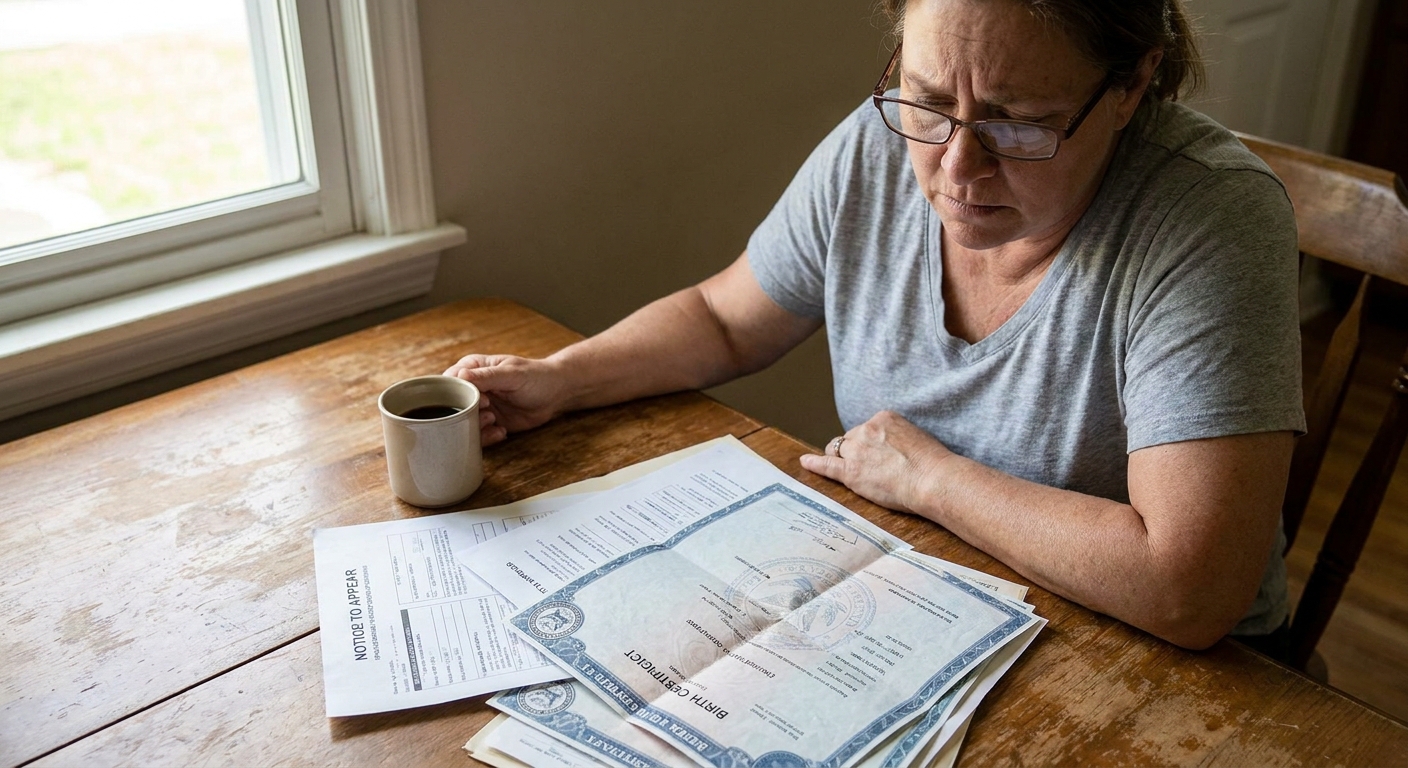
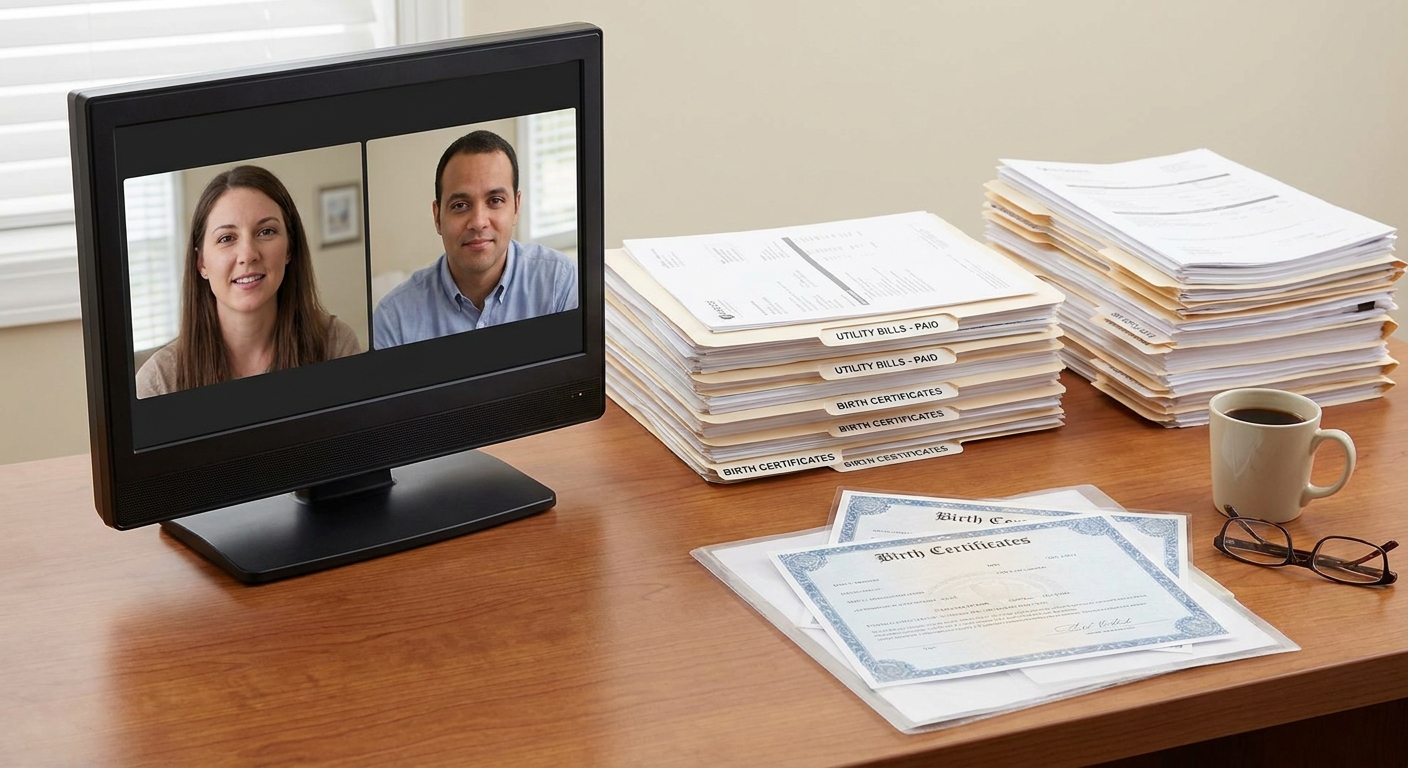
If a hearing was missed, the first priority is to document exactly why the absence happened. Whether it was a medical crisis or a documented road closure, physical evidence, such as the identity and family documents shown above, helps support a motion to reopen.
The court’s docket moves quickly, and any delay in filing a motion to stay deportation can result in immediate removal.
Preparing documents for a master calendar hearing in Florence
The first time a detainee sees a judge is usually at the master calendar hearing in Florence, a brief procedural appointment where the judge reads the charges and asks how the person wishes to proceed.
This is the moment where critical legal admissions are made, and those admissions can affect the entire future of the case.
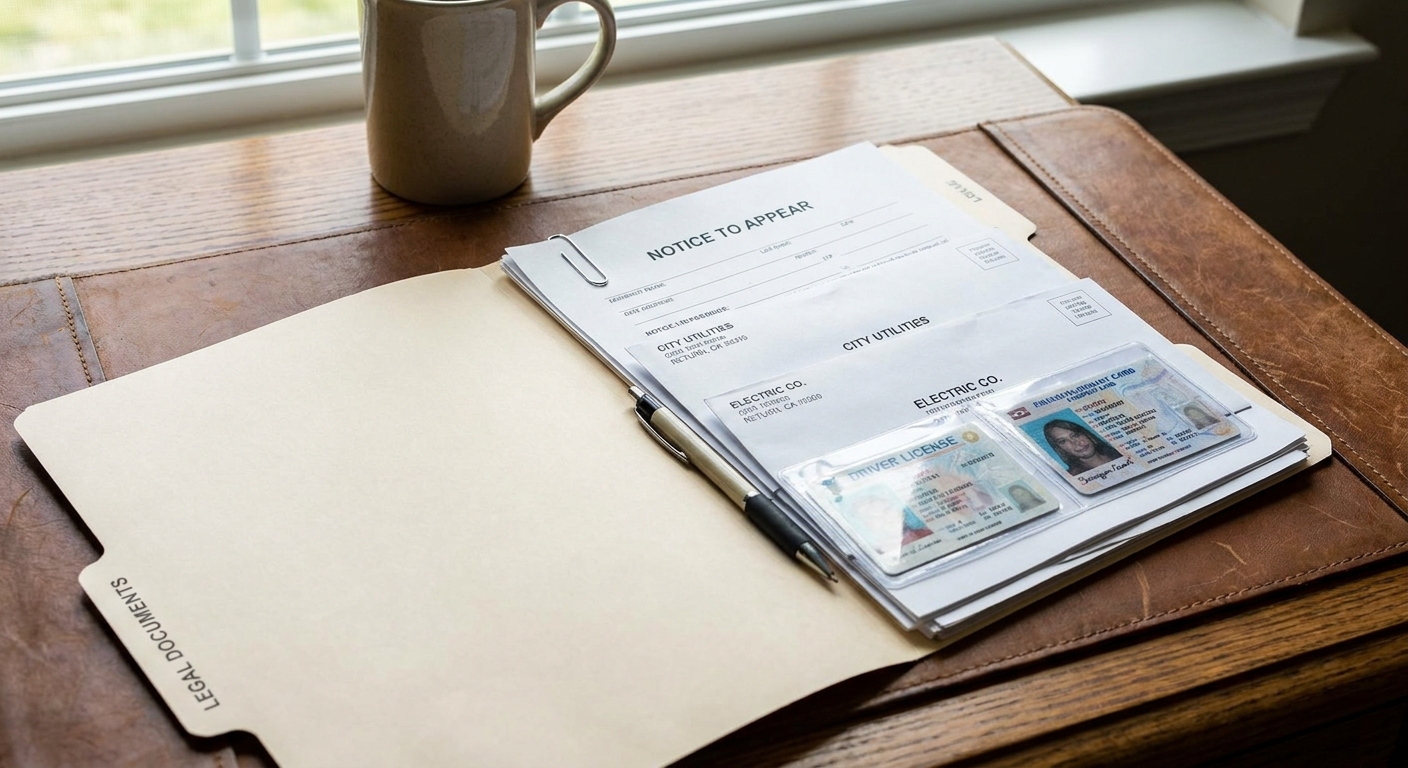
You need specific documents ready for this first appearance to avoid unnecessary delays. The court expects to see the Notice to Appear (NTA), which lists the government’s allegations, along with evidence of the person’s current address and identity.
Bond is not available to everyone who asks: as of September 2026, many people who entered the country without inspection can no longer request a bond hearing before a judge at all. Our guide to the immigration bond hearing covers who currently qualifies and what that separate process requires.
- The notice to appear: The charging document that opened the case. It sets out the legal reasons the government is seeking deportation and the hearing information, and the judge works from it at the master calendar.
- Identity documents: A passport, consular identification or birth certificate for the person detained, so the court can confirm who is in front of it and record the correct name and nationality.
Making a mistake during the master calendar hearing, such as admitting to a charge that is not accurate, can be nearly impossible to fix later.
Without a full understanding of the legal implications, a respondent might unintentionally give up the right to apply for relief such as cancellation of removal or asylum.
Next steps after appearing at the Florence immigration court
If the case is not resolved at the initial appearance, the judge schedules an Individual Hearing, which works like a full trial.
Detention often means these trials get scheduled sooner than they would in a non-detention setting. This compressed timeline leaves very little room for error when gathering evidence or coordinating with witnesses.
The court typically sets specific filing deadlines for evidence, though some judges apply stricter rules than others. If you submit a record late, the judge may ignore it, no matter how valuable it is to your defense.
Carefully tracking every court-ordered deadline is one of the most effective ways to keep the case on track.
At the Florence Service Processing Center, government trial attorneys focus on proving the charges of deportability. They cross-examine witnesses and challenge documents submitted by the defense.
Respondents need to keep their testimony consistent with what was already filed in writing, since discrepancies can damage the credibility of the entire case.
The outcome of a case at the Florence immigration court determines whether a person can remain in the country. Once a decision is issued, there is a limited window to file an appeal with the Board of Immigration Appeals.
Florence is one of a few detained dockets that serve the Phoenix area, alongside the Eloy immigration court. If you are not sure which facility applies to your case, our overview of the Phoenix immigration court explains how hearings get assigned across the three locations.
Understanding the procedural requirements of this desert complex helps you protect your rights during this high-stakes process, before any order becomes final.
Failing to prepare for the logistical and technical demands of a detained court hearing can lead to lasting consequences, like a removal order or prolonged detention. At Zava Immigration Law Group, our team of immigrants helping immigrants can give you an early, honest read on the charges, on whether bond is even an option in your case, and on what a more controlled legal process could look like from here.
Frequently asked questions about Florence Immigration Court
Can I post a bond immediately after the hearing in Florence?
Whether a bond is even available depends first on how the person entered the country: as of September 2026, most people who entered without inspection cannot ask an immigration judge for a bond at all. If a judge does have that authority in your relative’s case, how the bond is paid and what happens next is a separate process, and our guide to the immigration bond hearing covers it. One thing worth planning for either way: Florence is far from Phoenix and there is no easy public transport back, so arrange transportation in advance rather than assuming it can be sorted out on the day.
Is it possible to attend the hearing in person if my relative is detained?
Federal regulations (8 CFR 1003.27) and the EOIR Immigration Court Practice Manual treat hearings as presumptively open to the public, and you do not need to notify the court in advance that you plan to attend. That said, a judge can limit attendance or close a hearing when there is a valid reason. In practice, the Howard Center for Investigative Journalism reported that on February 9, 2026, security staff at the Florence court told visitors that sitting in on a hearing required the judge’s approval, a restriction the reporting found often goes further than what the regulation allows. Because the rule on paper and what happens at the gate do not always match, call ahead of your visit and be ready to ask staff to check with the judge if you are told you need approval.
How do I find out the specific judge assigned to a Florence case?
The Executive Office for Immigration Review maintains an automated case information system, reachable at 1-800-898-7180 or online, that you can access using the respondent’s Alien Registration Number. This system typically lists the next hearing date and the name of the assigned judge. Because dockets in Florence can shift due to administrative changes, it is common for the assigned judge to change between the Master Calendar and the Individual Hearing stages of a case.
Will an interpreter be provided if the respondent does not speak English?
The court provides a professional interpreter for any respondent who is not fluent in English, ensuring they understand the charges and the judge’s instructions. During video hearings at the Florence facility, this interpretation often happens over a speakerphone or a separate audio line. This setup can sometimes lead to communication gaps if the audio quality is poor, so it is helpful to inform the judge immediately if any part of the translation is unclear.
Can children or other family members attend the hearing in Florence?
Children are generally allowed in the courtroom under the same presumption of public access described above, though the Florence court environment is formal and can involve long wait times in high-security areas. Keep in mind that a judge can still limit who enters a specific hearing, and reporting from February 2026 found that security staff at this court sometimes required approval before letting family members, including those with children, take a seat. If a child becomes disruptive once inside, the judge may ask a family member to step out. Many families choose to have one adult wait outside with younger children so the rest of the group is not asked to step out mid-hearing.
Sources and official resources
- EOIR: Learn About Immigration CourtOfficial source
- USCIS Policy ManualOfficial source

Jessica Anleu (formerly Jessica Lewis) is an experienced immigration lawyer in Phoenix with a decade of immigration experience.
All PostsRelated Posts
An immigration detainer and the 48 hour hold in Maricopa County
What an immigration detainer really means for a 48 hour hold in a Maricopa County jail, and the exact steps families should take before that window closes.
How the judge decides if you go home at an immigration bond hearing
An immigration bond hearing decides if you can leave detention while your case continues. Here is what the judge weighs before deciding your case.
Court Blocks USCIS High Risk Country Hold
Reading time: 5 minutes The U.S. District Court for the Northern District of California has blocked the federal government’s policy that placed administrative freezes on applications from dozens of designated nations. On August 24, 2026, the court issued an injunction against the U.S. Citizenship and Immigration Services policies outlined in Policy Memorandu
Your privacy, your choice
With your permission, Google Analytics and Microsoft Clarity help us understand site use. Google Ads and Meta measure advertising. You can decline all or choose each category. Forms work with any choice.
Checked options stay off until you save them.