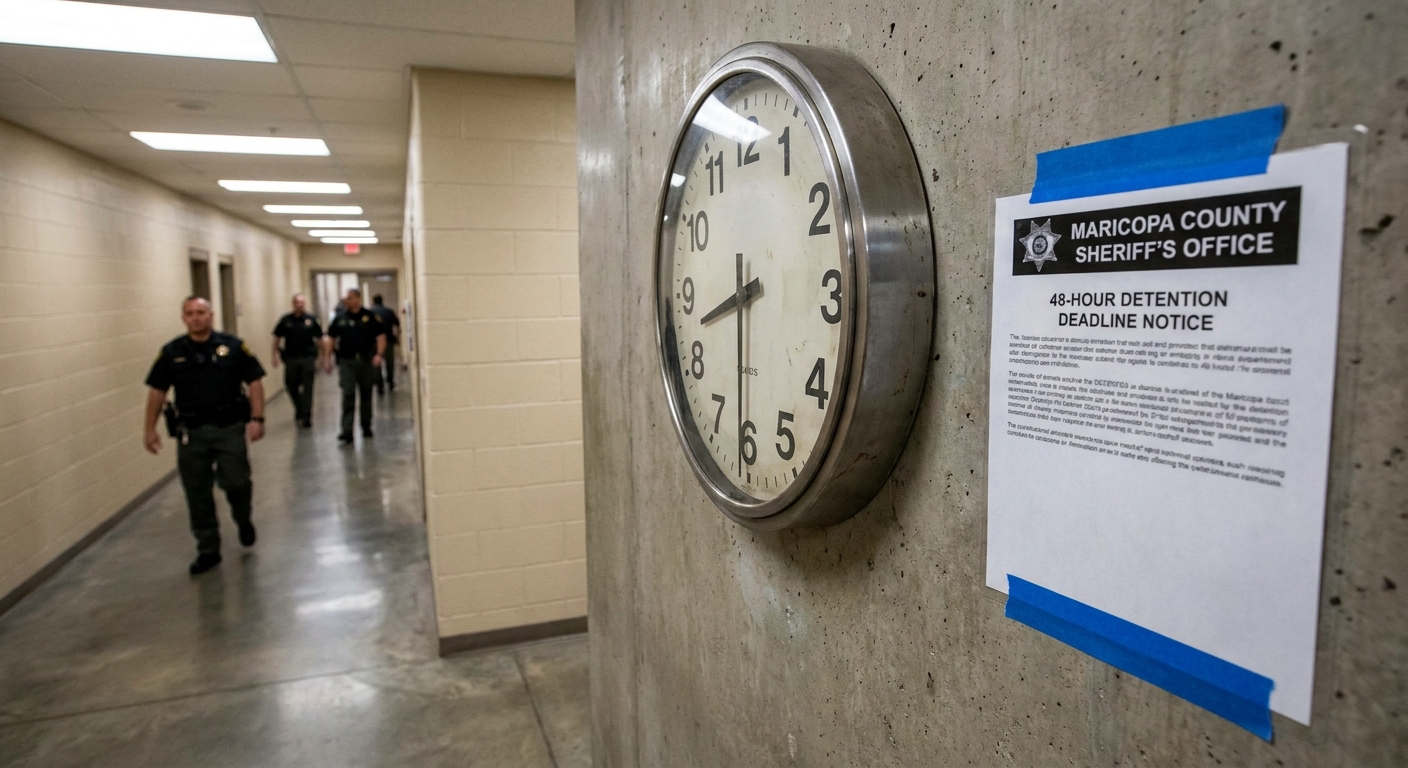
If I have a deportation order, will they look for me, and what could happen if immigration locates me?
Table of contents
When you receive or find a deportation order, your first question may be whether ICE is looking for you. If the order is final and enforceable, there is a risk of detention and deportation. To distinguish that risk from action to locate you, we review the order and later decisions.
The instructions that remain in effect also matter. News about enforcement operations or a case similar to yours does not confirm what is happening in your own case.
The final order and ICE enforcement
A final removal order allows the government to move toward enforcement when no stay or other applicable barrier prevents it. The law on detention and removal after an order governs that stage, including detention and, in certain circumstances, supervision while the person remains subject to removal.
That is different from knowing whether a specific effort to find you is underway today. The order establishes a legal situation; it does not provide an arrest date, a place where you will encounter officers, or a personal probability of that happening. To understand the current situation, we need the decisions in your record, even when there has been no recent contact.
We need to distinguish a decision still subject to review from a final order and from an order whose enforcement is stayed. If you do not yet know which document exists, our guide to checking whether you have a deportation order helps you gather that information. Here, we start with what the order means for the risk of enforcement.

Gather the order and all later appeal, reopening, or stay decisions. That sequence helps establish what remains in effect and whether the request you filed received a favorable decision.
What you can check and what you should not infer
Your case documents help establish specific decisions and obligations. Separate that information from conclusions about whether ICE may be looking for you.
| Information you have | What to review | What it does not establish on its own |
|---|---|---|
| A removal order | The issuing authority, date, finality, and any later decisions. | That an individual operation to locate you is underway. |
| An ACIS result | The available case information and how it matches official documents. | That ICE is looking for you, or that there is no risk if no information appears. |
| An ICE appointment or order of supervision | The instructions, conditions, and next date you must comply with. | That the order has been eliminated or detention ruled out. |
| A receipt for an application or legal filing | What was filed, with whom, and whether it affects enforcement. | That deportation is automatically stayed. |
| A granted stay | Its basis, scope, conditions, and duration. | That the order has been permanently set aside. |
ACIS provides basic information about certain immigration court or BIA cases. Use it to review the procedural stage and compare it with the decisions and notices in your record. The system has limited coverage and cannot confirm or rule out an ICE operation to locate you.
What changes with enforcement priorities?
Government directives help explain the general context, but they do not replace a review of your case. For example, the January 20, 2025 executive order included enforcement of final removal orders in its instructions on enforcement priorities.
That directive does not establish that a specific person is being sought, or that someone else is exempt because they have no criminal history. To assess your situation, we need the order and later actions in the case, rather than only a category mentioned in the news.
If you also have a criminal matter, gather the decisions and documents from that proceeding. A review with criminal defense attorneys handling immigration consequences can examine how it relates to your immigration case.
A future appointment or pending request does not resolve the risk
Supervision after an order can include obligations to report and follow written conditions while you remain subject to removal. Review the specific instructions you received and confirm whether any stay was granted. A future appointment schedules an appearance; the status of the order needs a separate review.
We also need to check the effect of each legal filing. A stay of removal can pause enforcement while it remains in effect. Requesting a stay and obtaining one are different steps; an ordinary reopening motion does not automatically stop removal either.
If you missed a hearing or have new evidence, a motion to reopen your immigration case has its own requirements and exceptions. Its effect depends on the type of request and the procedural stage. Before assuming you can wait for a response without a risk of enforcement, confirm what protection actually exists in your case.
A work permit calls for a different check: employment authorization and enforcement of an order are separate issues. The question of whether you can be deported with a work permit requires reviewing the category and case record; do not treat the document as a general guarantee against ICE enforcement.
If ICE locates you, your stage of the case matters
The response to detention depends on the stage of your case. A final, enforceable order can lead to removal without a new, full hearing on the merits. That is why we need to distinguish it from proceedings that are just beginning.
Our deportation and detention attorneys can review your order, stays, and instructions with you to identify which response fits that stage.
In ordinary proceedings before a judge, the law governing removal hearings provides for representation by authorized counsel at no expense to the government and opportunities to present and examine evidence. We review which protections apply to the specific procedure identified in your record.
If you are detained, notify your representative and the trusted person who keeps your documents. Share your A-number, the order, any stay, and your location if you know it.

When you receive a document you do not understand, ask for an explanation and language assistance so you can understand it before deciding. Tell your attorney if it concerns a waiver, departure, or a new instruction. What each document does matters more than its appearance.
Prepare a review focused on your situation
Rather than trying to guess whether an operation will take place, prepare for a review that clarifies the decisions you can make. It helps us if you identify which documents you have and which are missing, along with any upcoming dates.
- The complete order and any later decision from the court, the BIA, or a federal court.
- ICE reporting notices, supervision conditions, and upcoming dates.
- Copies of legal filings and applications, with receipts and decisions, especially if a stay was requested.
- Contact information for your representative and a trusted person who can find the copies.
If you have just received a decision, our guide on what to do about a deportation order explains the initial steps for reviewing the document, dates, and response. If the order is old, the review needs to reconstruct what happened afterward; the passage of time alone does not establish that it has disappeared.
Frequently asked questions about a deportation order and ICE enforcement
Can ACIS tell me whether ICE is looking for me?
ACIS reports information about certain court or BIA cases. Its results cannot confirm or rule out action by ICE to locate you. Review your official case documents to identify the decisions and obligations that remain in effect.
Can an order be enforced even if I have no criminal history?
The absence of a criminal record does not, by itself, eliminate a final, enforceable order. You need to check whether the order remains in effect and whether a stay or another applicable barrier exists. Criminal history and immigration proceedings are separate issues.
Does an ICE appointment mean I cannot be detained?
No. A future appointment does not establish that the order was canceled or guarantee that detention cannot occur. Review the instructions you received and the status of the order with your representative, without assuming that a scheduled date amounts to a stay.
Does asking to reopen the case stop ICE from deporting me?
An ordinary reopening motion does not automatically stay removal. Specific exceptions exist, such as certain requests before the judge to rescind an order issued in your absence. Check which rule applies to your motion or whether a separate stay was granted.
What if I have gone years without contact from immigration authorities?
Time without contact does not establish that the order is no longer in effect. There may be supervision obligations or later decisions you need to review. A complete case record allows the current situation to be examined without guessing from the years that have passed.
We can help you review the order, the legal filings submitted, and the instructions you must follow. Contact our team to arrange that review, and tell us about any upcoming appointment or enforcement notice from the start.

Jessica Anleu (formerly Jessica Lewis) is an experienced immigration lawyer in Phoenix with a decade of immigration experience.
All Posts