
How do I know if I have a deportation order?
Table of contents
To find out whether you have a deportation order, start by checking your EOIR case and reviewing the documents issued in your proceedings. A letter you do not understand or a hearing you missed calls for a careful check: an online result alone cannot confirm or rule out every deportation order.
We explain what information you need, where to check and how to proceed if the records do not match. If you need help interpreting your documents, our deportation defense attorneys can review your case with you.
Check your immigration case with EOIR
The Executive Office for Immigration Review, or EOIR, is the Department of Justice office that administers immigration courts and the Board of Immigration Appeals, known as the BIA. Its Automated Case Information System, ACIS, provides basic information about certain cases. Start by finding your Alien Registration Number, also called an A-Number, in your immigration documents.

With that number ready, you can check your case in English and write down the results to compare with your notices afterward.
- Open the official ACIS portal in English.
- Enter your A-Number and select your nationality, the information the portal requests. Check the digits before submitting.
- Review the available hearing and decision information. Note the court, dates and any outcome shown, along with the date you checked.
Finding a case does not mean a deportation order has already been issued. Proceedings may still be pending. ACIS also shows limited information about the primary case and, if there is more than one case under the same A-Number, only the most recent one. Documents issued by the court or the BIA are the official source of information about that case.
Checking by phone
If you prefer to hear the information, call EOIR's automated line at 1-800-898-7180. It has English and Spanish options. Follow the recorded instructions and enter the nine digits of your A-Number, without the letter; if it has eight digits, add a zero at the beginning.
This line provides hearing and decision information, but it does not replace the documents in your file either. If the result is unclear, keep your notes to review with your representative or the court handling the case.
If your number does not appear or the information differs
A search with no records does not prove that you have no deportation order. First, check that you used the correct number. Then compare any notices you have kept and ask the appropriate court or your attorney for clarification. ACIS does not include every case or every detail of each file.
Use the court identified in your documents, even if you now live in another city. If your case is with the Phoenix immigration court, you can find out how to check that court's information and prepare for your appearance. Living in Arizona alone does not identify where your case is being handled.
Tracking an application with USCIS concerns a different process and does not replace reviewing a case before EOIR. If several agencies have been involved, gather the documents from each so that the check covers your history rather than just one screen.
How can you check which document you received?
Read the document's name, the agency or court that issued it, your name, your A-Number and the dates. Keep every page and the envelope. To verify authenticity, compare it with the case file and clarify any discrepancy using the issuing authority's official contact information, rather than relying solely on a phone number in a message you received.
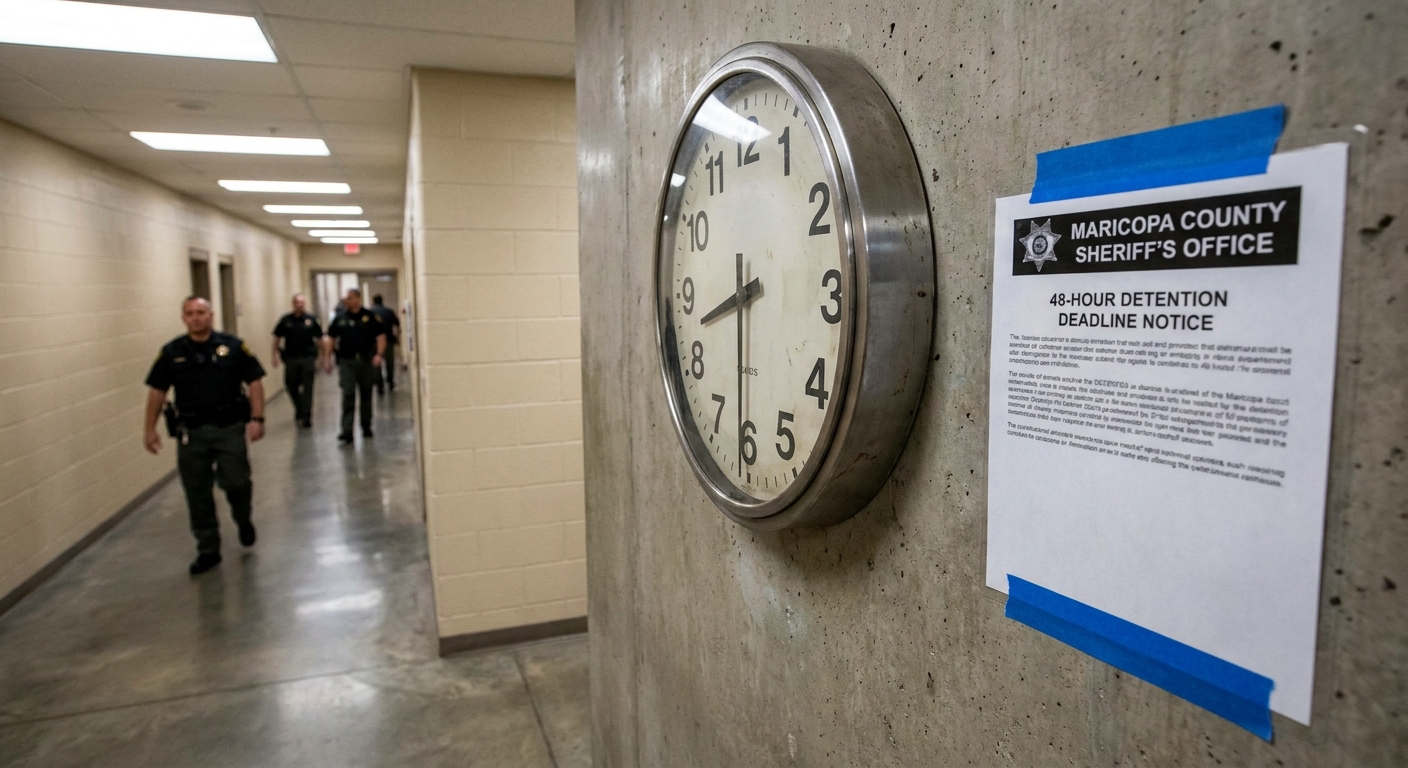
A Notice to Appear or NTA, Form I-862, contains the allegations and charges on which DHS seeks your removal before the court. Receiving an NTA is not the same as receiving a decision ordering your deportation. You may also receive a hearing notice, which tells you about a scheduled appearance.
A judge's signature and a seal are not a universal test of authenticity. For example, in the expedited removal procedure under 8 CFR 235.3, an immigration officer issues Form I-860 with supervisory approval. That is why identifying the authority and the specific procedure matters before interpreting the document.
Get a copy of your case file
If you need the court's decision, EOIR explains how to request a copy of your Record of Proceeding. For individuals and representatives who meet its conditions, there is a direct request to the court or the BIA, separate from the FOIA information access process.
The correct route depends on who is requesting the documents and the case file. If you are looking for DHS records, you need to identify which agency holds them; requesting documents from EOIR does not replace obtaining those held by another authority. We can help you identify what is missing so that the review does not rely on an incomplete copy.
Gather the documents needed to clarify your situation
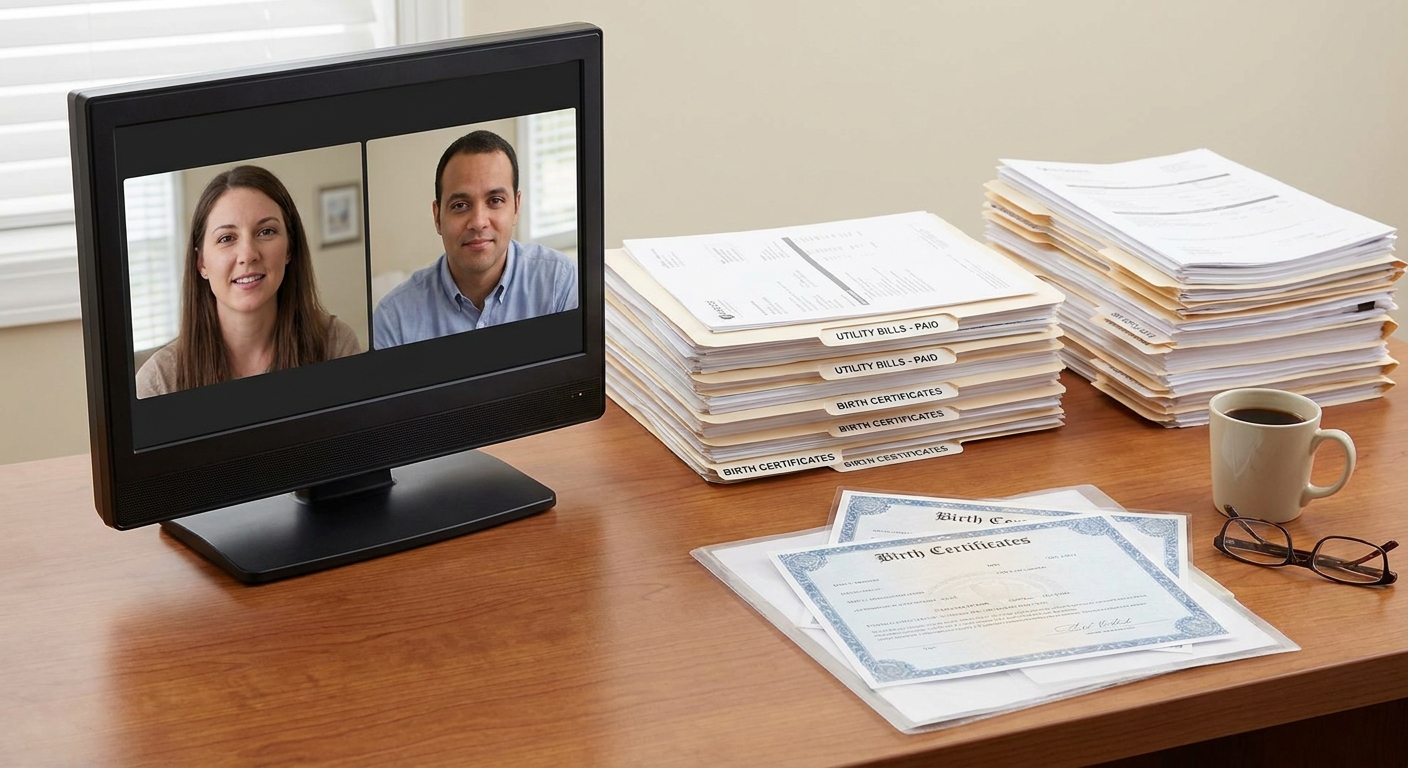
Before a legal review, organize what you already have. You do not need to interpret every form to get started: keeping each document complete helps reconstruct what happened, who was involved and which notice arrived next.
- Your A-Number and identity documents.
- Notices to Appear, hearing notices and decisions, even older ones.
- Receipts and copies of any applications or requests for review that were filed.
- Dates of hearings you attended or missed and related correspondence.
- The name and contact information of your previous representative, if you had one.
If a relative helps you gather copies, agree on how to store them and share them with your representative. Having someone support you can make organizing the documents easier without replacing a review of the case file.

Once the review confirms an order, the next step is to assess the response that fits that decision and its dates. We explain that process in what to do if you receive a deportation order. Checking whether an order exists and choosing a defense are separate stages.
Frequently asked questions
Can I find out online whether I have a deportation order?
You can check basic information about certain cases in ACIS using your A-Number and nationality. To confirm what was decided, compare the result with the court or BIA documents. The portal does not show every case or its entire contents.
What should I do if I do not have my A-Number?
Look for your A-Number in your immigration documents and contact your previous representative if they had your file. ACIS requires that identifier; it does not offer a public name search. If you cannot find it, reviewing your documents can help identify which records to request.
Does a letter with seals prove I have a deportation order?
No. You need to identify the document and verify it with the authority that issued it. An NTA, a hearing notice and a removal order serve different purposes; seals or the appearance of the paper do not replace that check.
Can I check a relative's case?
ACIS allows a search using the person's A-Number and nationality. Getting a copy of their case file is a separate request, with identity, representation or authorization requirements depending on who is asking. Being a relative does not give automatic access to all their records.
A notice that does not match the system calls for a review of the case file. At Zava Immigration Law Group, our Phoenix team can help you interpret your documents and clarify whether an order exists and which stage comes next. Contact us to arrange that review with the copies and information you already have.

Jessica Anleu (formerly Jessica Lewis) is an experienced immigration lawyer in Phoenix with a decade of immigration experience.
All Posts