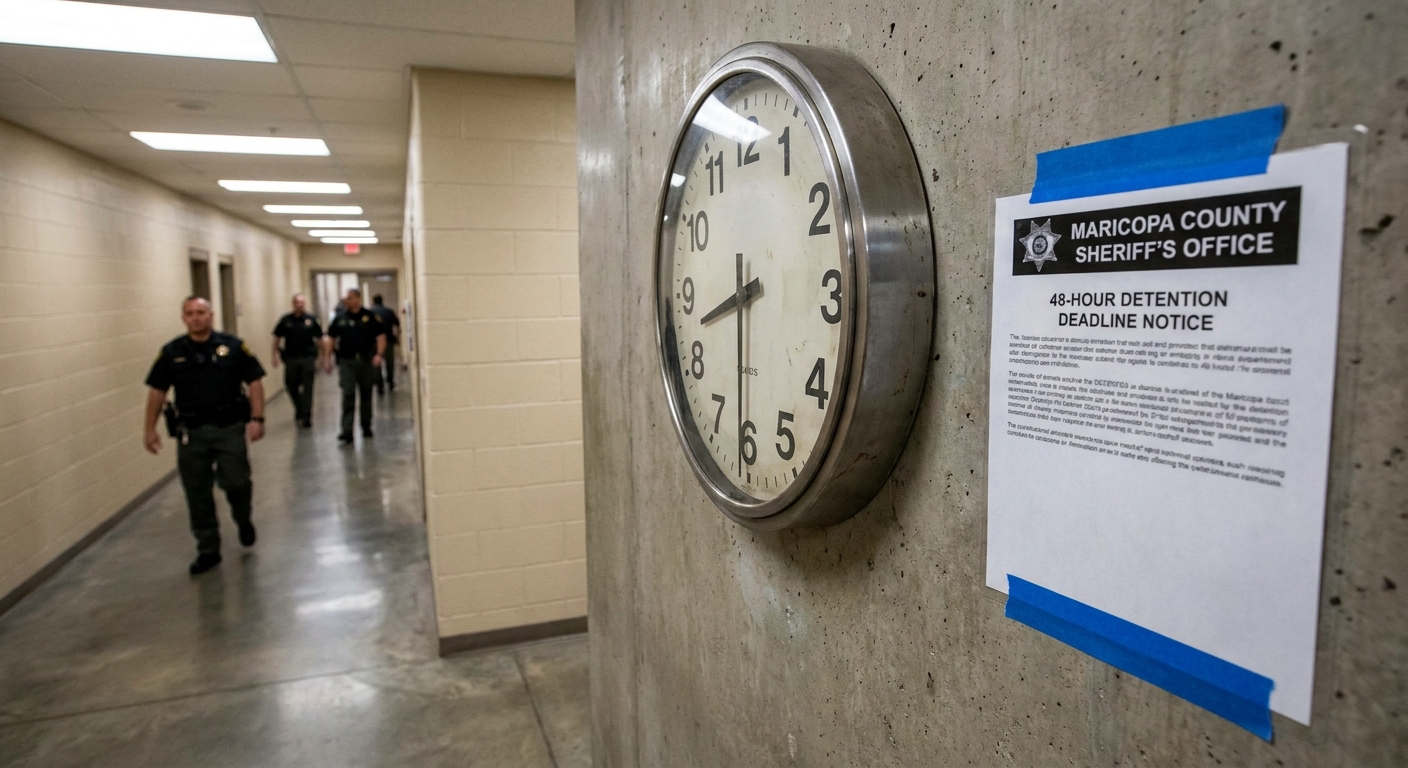

Stay of removal to pause enforcement of a deportation order
Table of contents
A stay of removal can temporarily stop enforcement of a deportation order. The pause may apply automatically in certain proceedings or depend on approval from ICE, an immigration judge, the BIA, or a federal court, depending on the stage of your case.
If you need more time before a possible deportation, first distinguish between a pending request and protection that is already in effect.
What is a stay of removal and who can grant one?
A stay delays physical removal for the applicable period. Your deportation order remains in place: the pause gives you time to address another proceeding or a specific circumstance, but it does not itself decide whether you can remain permanently in the United States.
The appropriate authority depends on your case history. Before filing documents, we need to know who issued the latest decision and what matter is still pending:
- ICE: can grant a discretionary administrative stay when you have a final order, through Form I-246.
- Immigration judge: considers a discretionary stay when a motion to reopen or reconsider is pending before that judge. Having just any immigration application pending does not give the judge that authority.
- Board of Immigration Appeals (BIA): can consider a stay request if the matter is within its jurisdiction, for example, when reviewing certain motions or appeals from their denial.
- Federal court of appeals: can order a stay in an appropriate judicial review proceeding. The petition for review and the stay request each require their own analysis.
EOIR explains the limits on the judge's and the BIA's authority in its manual on discretionary stays. A pause may serve different situations, but the procedures before these authorities are not interchangeable.
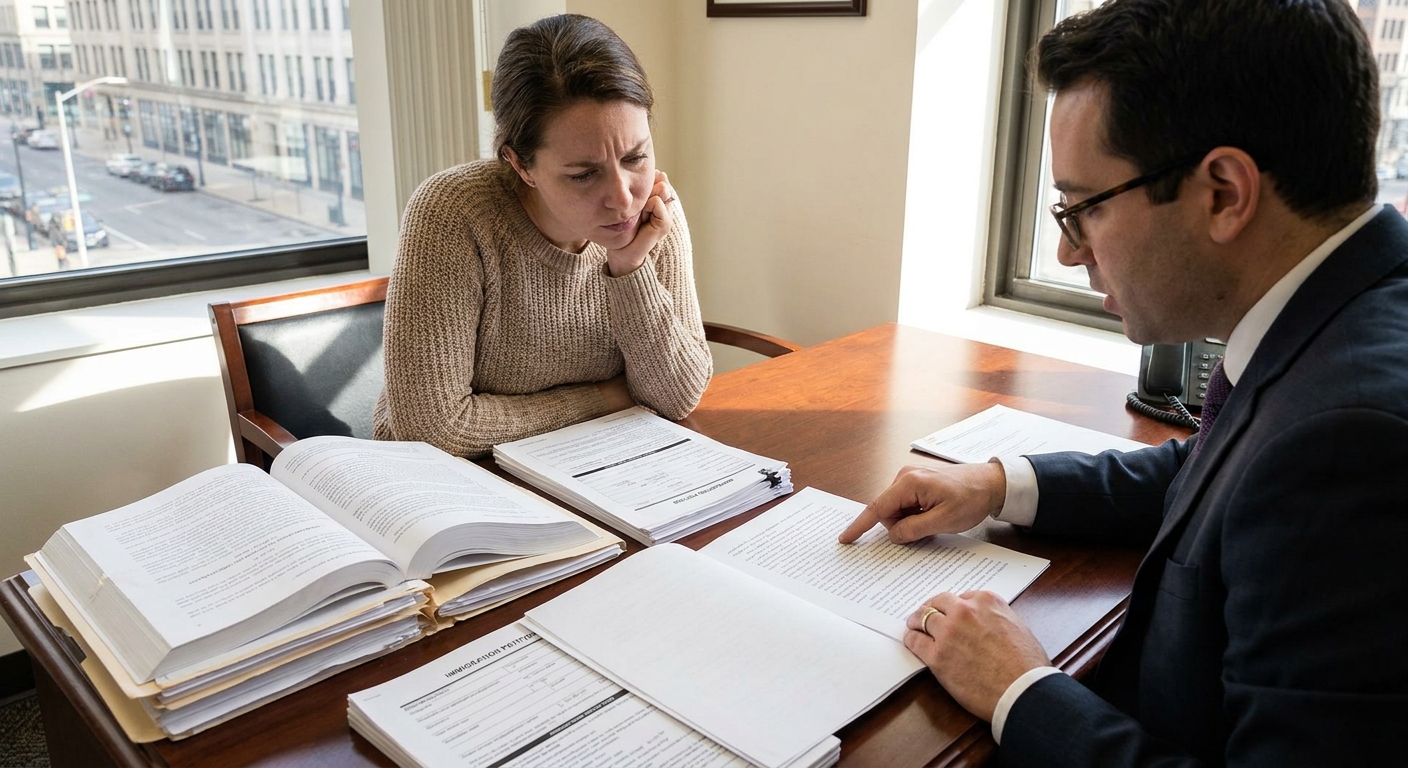
At the initial review, a complete copy of the decision and any later filings helps us separate the underlying dispute from the immediate need to stop enforcement. If you need representation for that challenge, our immigration appeals attorneys can evaluate both issues in context.
Difference between automatic and discretionary stays
An automatic stay applies because a rule protects a specific procedural situation. A discretionary stay depends on the authority granting it. This distinction matters when checking when protection begins and what event may end it.
| Feature | Automatic stay | Discretionary stay |
|---|---|---|
| What triggers it | A situation covered by a rule, such as the period for appealing a judge's decision on the merits when appeal rights have not been waived, or a timely appeal to the BIA. | A favorable decision on a request before the appropriate authority. |
| How to verify it | Review the decision, the type of proceeding, and, where applicable, whether the challenge was filed on time. EOIR does not issue a separate order for an automatic stay. | Review the decision granting it and its terms. A filing receipt is not that decision. |
| How long it lasts | As determined by the applicable rule. For a timely merits appeal, until the BIA's final decision. | The period and conditions of the grant. In EOIR proceedings, it is tied to resolution of the relevant motion or appeal. |
| What to distinguish | Rules for merits appeals do not extend to all motions or to custody or bond decisions. | ICE, the judge, the BIA, and the federal court have different requirements and authority. |
The EOIR manual on automatic stays distinguishes these situations. Protection during a merits appeal has limits and does not apply, for example, to bond or custody determinations. Appealing a deportation order also requires checking whether the decision can be appealed and whether the appeal will arrive on time.
There are also specific exceptions for reopening removal proceedings held in your absence. A motion that meets the requirements to rescind that order may stay enforcement while the judge decides it; appealing its denial afterward does not automatically extend that protection. Our guide to a motion to reopen your immigration court case explains the conditions and differences between types of motions.
The rule is different in federal review: filing a petition for review does not itself stay removal. Section 1252(b)(3)(B) of Title 8 requires the court to order otherwise. Do not assume an administrative appeal's effect carries over to the federal stage.
How do you apply for a discretionary stay of removal with ICE?
If you have a final order, ICE Form I-246 and its instructions are the resource for requesting an administrative stay. This is a request to ICE, rather than USCIS.
Before going to an Enforcement and Removal Operations (ERO) office, our deportation defense team can review with you which office has jurisdiction, how to submit the request, and which evidence explains the time you need.
- Identify the order and the time you need. Gather the latest decision and explain what circumstance justifies delaying removal and for how long.
- Complete the form with consistent information. Check your details against your immigration record and prepare an explanation of your reasons, supported by evidence.
- Check current requirements. Review the official filing, identification, fee, and payment instructions before submitting the package. Do not rely only on an old copy of the form.
- Keep a copy of your submission and the response. This helps you distinguish receipt of the request from a decision granting a stay and review any conditions imposed.
Filing Form I-246 does not stop deportation while you wait. 8 CFR 241.6 states that neither the request nor the lack of a response delays removal or excuses compliance with an outstanding notice to surrender. Knowing this limit helps you check in time whether another stay applies.
What reasons and documents can support your request?
ICE weighs the circumstances of the case when deciding whether to grant additional time. A serious medical condition or a specific humanitarian need may be relevant, but these are not a checklist that guarantees approval. Explain what difficulty exists, why it matters to removal, and which documents support it.
Organize evidence around the reason you plan to present. Materials to review with your representative may include:
- Identification and case history: your passport, immigration documents, removal order, and notices received, as required for your filing.
- Medical records: diagnoses, treatment, prognosis, and letters explaining the medical need on which your request is based.
- Family circumstances: certificates and documents about the people affected, along with a specific explanation of their care needs.
- Pending applications or proceedings: receipts, decisions, and dates showing what remains unresolved and why you are requesting time for it.
- Arrests and convictions: records and court dispositions showing the outcome of each matter, rather than relying only on a verbal account.
- Other relevant support: school, employment, financial, or community records when they help establish the reason you have explained.
Choose documents that help establish the reason for your request, and check that your explanation is consistent with your case history.

If you have a criminal record, our criminal immigration defense attorneys can review how it relates to your immigration situation. That evaluation helps present the facts accurately; a stay does not itself change the outcome of a criminal case.
What changes when a stay is granted or denied?
A grant pauses enforcement within its terms. Check who issued it, when it begins, what date or decision marks its end, and which conditions you must meet. An ICE stay has no universal one-year duration: the regulation allows the authority to grant the time and conditions it considers appropriate.
The pause does not grant permanent residence or an automatic work permit. If you have questions about employment, our work permit attorneys can check whether you have an independent basis to request authorization. The goal is to use the available time to address the matter that justifies the stay, while keeping it distinct from the underlying solution.
If you want to change the order or have the case heard again, options for lifting a deportation order address a different question. Reopening, appealing, and staying removal serve different purposes, even when they form part of the same strategy.
The denial of an ICE administrative stay cannot be appealed under 8 CFR 241.6. That denial does not prevent the judge or the BIA from considering a stay connected to a previously filed motion to reopen or reconsider, if they have jurisdiction. To evaluate that route, we review which filing remains pending and before which authority.
If you are also detained, organize communication and documents for the review. Enforcement of the order and custody are separate matters; when the legality of detention needs review, an evaluation by our habeas corpus attorneys addresses that specific issue.
Frequently asked questions about a stay of removal
Can I request an ICE stay if the order came from a judge or the BIA?
Yes. If you have a final deportation or removal order, you can request an administrative stay from ICE using Form I-246. The fact that the order came from a judge does not turn that request into a reopening or require ICE to grant it.
Does an approved stay allow me to work?
Not by itself. Employment authorization requires its own legal basis and the requirements for that category. A decision pausing removal is not a work permit.
When does EOIR treat a stay request as an emergency?
EOIR treats a request as an emergency when you are in DHS's physical custody and removal is imminent. The specific urgency must be identified, and the communication procedure for the appropriate judge or the BIA must be followed. This classification does not guarantee a grant.
How long does a stay of removal last?
It depends on the authority and the situation that creates it. ICE may set a period and conditions; a stay tied to a challenge before EOIR depends on the relevant decision. Review the decision or applicable rule instead of assuming you have a year of protection.
Does a pending immigration application guarantee a stay?
No. Check whether your situation triggers a specific automatic stay or whether you need the appropriate authority to grant one. Another pending application may be relevant to explaining why you need time, but it does not itself show that enforcement has been stayed.
To review a possible pause, share your latest order, recent notices, and records of any challenges filed with our team. At Zava Immigration Law Group, we can help clarify what protection is in place today and which step you need to evaluate before removal is carried out. Contact us to review those documents together.

Jessica Anleu (formerly Jessica Lewis) is an experienced immigration lawyer in Phoenix with a decade of immigration experience.
All Posts