
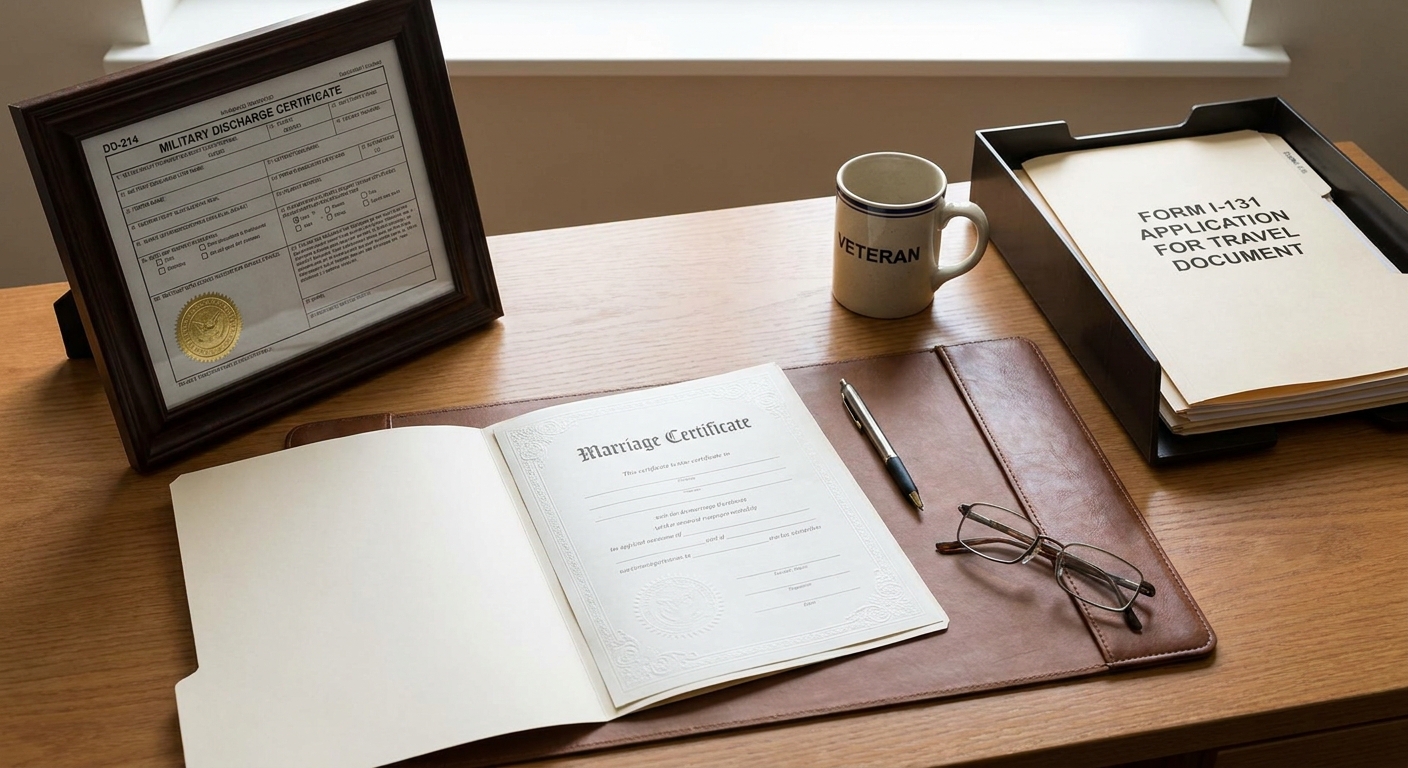
How military parole in place works and who can request it
Table of contents
Military Parole in Place (PIP) provides a legal entry status for certain family members of U.S. service members who entered the country without inspection. The benefit can reduce the risk of removal and open a path toward permanent residency, though it does not work as an absolute shield against deportation or guarantee any specific outcome.
The program addresses the needs of military households facing a possible 10-year re-entry bar. Speaking with military parole in place lawyers can help you determine whether your case meets the requirements.
This military benefit remains active under USCIS discretion as of August 2026 and is separate from Keeping Families Together, the parole process for spouses of U.S. citizens that a federal court vacated in November 2024.
Who qualifies for military parole in place today
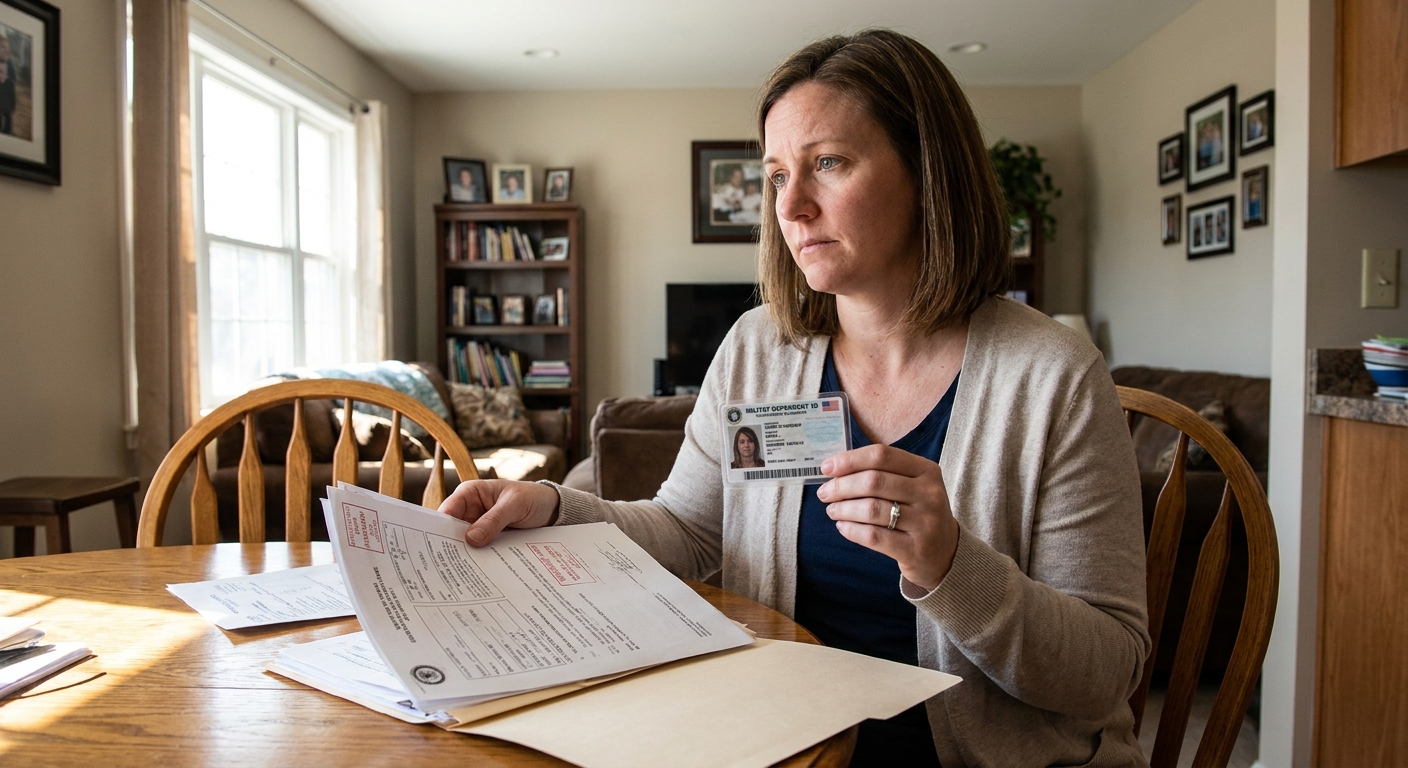
Applying for this benefit requires a direct family relationship with someone who is currently serving or has served in the U.S. Armed Forces. This includes members of the active-duty military, the Selected Reserve of the Ready Reserve, or veterans who were not dishonorably discharged.
The applicant must also be physically present in the country and must have entered without inspection or parole.
USCIS extends eligibility to three specific groups of relatives who meet the military service connection. Their relationship must be documented with birth or marriage certificates that prove the family tie to the service member.
Because this is a discretionary benefit, officers evaluate the individual circumstances of the applicant alongside their military relative’s service record. This evaluation determines if granting military parole in place serves a significant public benefit or urgent humanitarian reason.
| Relationship | Military status | Entry status |
|---|---|---|
| Spouses, widows, and widowers | Active, Reserve, or Veteran | Entered without inspection |
| Parents | Active, Reserve, or Veteran | Entered without inspection |
| Sons and daughters | Active, Reserve, or Veteran | Entered without inspection |
How the application process works from start to finish
The procedure for obtaining this status is a paper-based application handled entirely within the United States. Unlike other parole programs, you do not visit a border or a consulate to receive this benefit.
The request involves submitting specific forms and evidence to USCIS that prove both the military relationship and your own identity and history. During the review, USCIS confirms that the applicant does not pose a threat to public safety.
- Gather military evidence: You must obtain copies of the service member’s DD-214, current military ID, or official deployment orders.
- File Form I-131: This form is submitted to USCIS along with a specialized cover letter explaining the discretionary factors of your case.
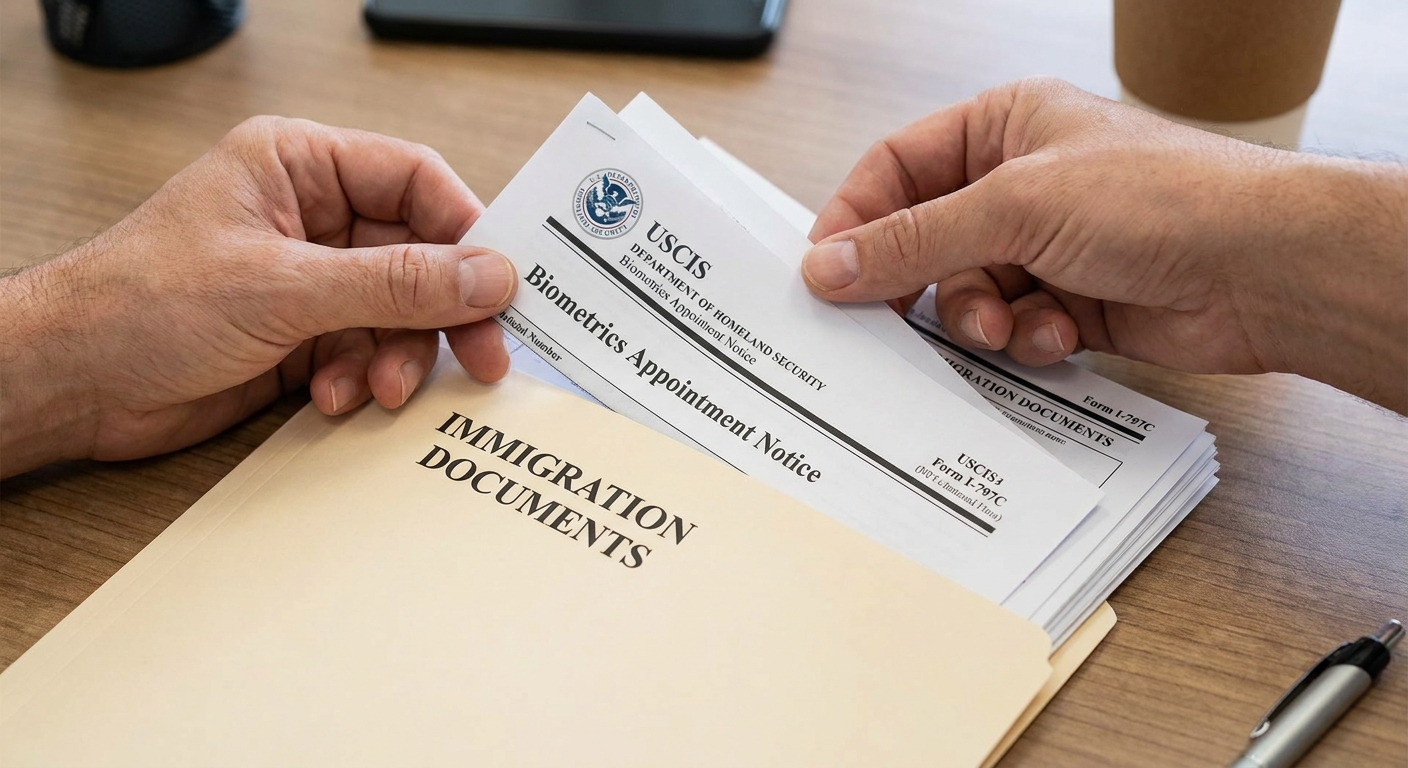
- Attend biometrics: Applicants usually receive an appointment notice to have their fingerprints and photographs taken at a local application support center.
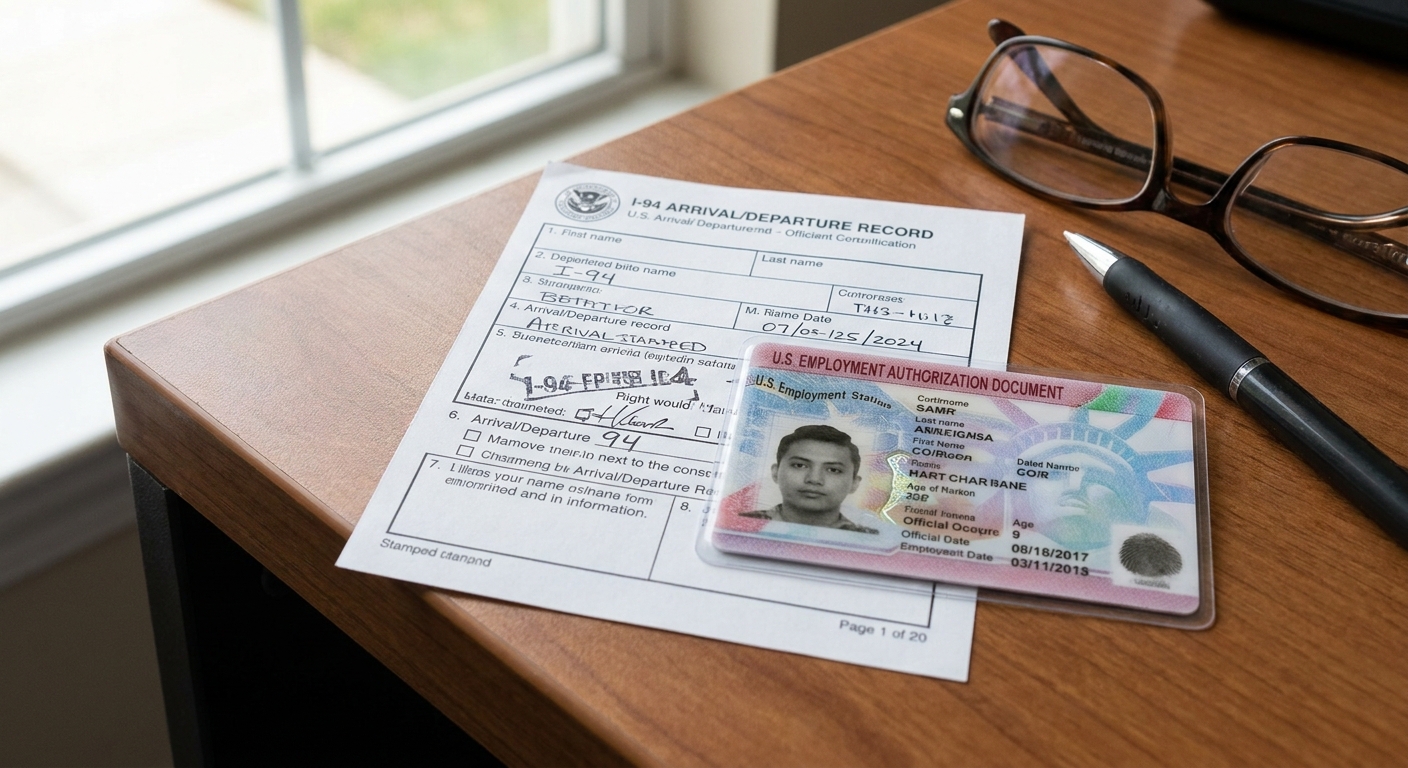
- Receive the I-94: If approved, you receive an I-94 arrival/departure record, which serves as the official proof of your paroled status.
Why parole in place for military spouses prevents the 10 year bar
The most significant hurdle for many undocumented spouses is the penalty triggered by leaving the country. Normally, anyone who has been in the U.S. without permission for over a year faces a 10-year ban if they depart for a green card interview.
By using parole in place for military spouses, you obtain a document that counts as a legal admission into the country.
This legal admission is the missing piece for those who want to fix their status through a process called adjustment of status. Because the I-94 satisfies the requirement of being inspected and paroled, you may be able to file for a green card while staying at home.
If your path runs through a relative, this guide on how to apply for permanent residency through a family member walks through that process step by step.
What happens if you have a criminal record or a previous deportation
USCIS does not grant parole automatically just because a family member is in the military. Because the benefit is discretionary, the government weighs favorable factors against negative ones.
Serious criminal convictions, multiple entries without inspection, or a history of ignoring removal orders can lead to a denial. In these scenarios, the officer may decide that the applicant’s record outweighs the service of their military relative.
If you have a complex history, you must present a strong case that emphasizes family ties, community involvement, and the hardship your service member would face.
In some instances where a prior deportation or a specific ground of inadmissibility applies, immigration waiver lawyers can review whether an I-601 waiver would also be necessary to clear the path before or after requesting military parole in place. Every interaction with the law is reviewed during the biometrics and background check phase.
What are the next steps after military parole in place is approved
Approval of your request provides a temporary status that typically lasts for one year. Once you have the I-94 in hand, you are no longer considered to be in the country without a legal basis. This document is the foundation for two immediate opportunities: applying for work authorization and pursuing permanent residency.
Many families choose to file both applications around the same time to move toward these goals together. For those using parole in place for military spouses, approval means you no longer have to fear being barred from the country during the green card process, though the outcome of that later process is not guaranteed.
- Apply for a work permit: You can submit Form I-765 immediately to receive an Employment Authorization Document.
- Obtain a social security number: With the work permit, you can apply for a number to use for banking and taxes.
- File for a green card: You may begin the process with our team specializing in family-based immigration to secure your future in the United States.
- Renew the parole: If your green card case is still pending when the year ends, you must request a renewal of the parole status.
Advance Parole works differently outside of this specific program. If your family is also navigating a process like Special Immigrant Juvenile Status, review how that separate pathway handles travel authorization before making any plans to leave the country.
Delaying a status adjustment can mean missing out on work authorization or long-term stability. At Zava Immigration Law Group, we are a Phoenix, AZ-based firm of immigrants helping immigrants, and we will review your specific history and military service connection to help you move safely toward a green card through this discretionary program.
Frequently asked questions about military parole in place
Does getting military parole in place allow me to travel outside the United States?
Receiving this specific type of parole does not automatically grant you the right to travel abroad and return. While the document provides a legal entry status, its primary purpose is to allow you to remain in the country to adjust your status. Leaving the United States without a separate travel document, known as Advance Parole, could result in the cancellation of your status and trigger re-entry bans that the program was designed to avoid.
Can I still get military parole if I was deported in the past?
A prior removal order complicates the application because this program is a discretionary benefit. While your military relationship provides a basis for the request, the government evaluates your entire history, including past interactions with immigration enforcement. In many cases, specific legal steps must be taken to address the old order before or during the parole process. A history of multiple entries or ignoring previous orders may lead to a denial.
Do I need to apply for military parole in place if I entered the U.S. with a visa?
Military parole in place is designed specifically for individuals who entered the country without being inspected by a border officer. If you originally entered with a valid visa but overstayed, you generally do not need this specific parole to apply for adjustment of status. Since you already have a legal entry on record, you might be able to proceed directly to a green card application through your military relative without this intermediate step.
Can a member of the National Guard help their parents get this benefit?
Members of the National Guard qualify if they are part of the Selected Reserve of the Ready Reserve. This distinction is important because not all National Guard service automatically meets the criteria for this program. You must provide documentation proving the service member’s current status or past service in that specific reserve component. Verification involves reviewing military orders or identification cards to confirm the relationship qualifies under current federal immigration policy guidelines.
What happens if my one-year parole document expires before I get my green card?
The I-94 record issued through this program typically remains valid for a one-year period. If your green card application is still pending when this year ends, you usually need to file for a renewal to maintain your legal protection and work authorization. Failing to renew the status can lead to a lapse in your ability to work and may leave you vulnerable to enforcement actions if your permanent residency case encounters delays.
Can a child in the military help their parents get parole if the child is under 21?
A service member of any age can generally support a parent’s request for this parole benefit. While most family-based green card applications require the petitioner to be at least 21 years old, the military parole program allows younger service members to help their undocumented parents obtain legal entry status. Once the parent has the parole document, they may need to wait until the child reaches age 21 before filing for a permanent residency card.
Sources and official resources
- USCIS Policy ManualOfficial source

Jessica Anleu (formerly Jessica Lewis) is an experienced immigration lawyer in Phoenix with a decade of immigration experience.
All PostsRelated Posts
An immigration detainer and the 48 hour hold in Maricopa County
What an immigration detainer really means for a 48 hour hold in a Maricopa County jail, and the exact steps families should take before that window closes.
Preparing for your hearing at the Florence immigration court
The Florence immigration court operates inside one facility, but a nearby complex often gets confused with it. Here is how to tell them apart.

How the judge decides if you go home at an immigration bond hearing
An immigration bond hearing decides if you can leave detention while your case continues. Here is what the judge weighs before deciding your case.
Your privacy, your choice
With your permission, Google Analytics and Microsoft Clarity help us understand site use. Google Ads and Meta measure advertising. You can decline all or choose each category. Forms work with any choice.
Checked options stay off until you save them.