

T Visa requirements and who can apply
Table of contents
8 minute read
The T Visa offers a unique path to legal status for victims of human trafficking within the United States, providing a critical pathway to safety and stability. Navigating the complex federal system for a T Visa requires understanding specific T visa requirements, which ultimately determines an applicant’s eligibility.
We often see individuals who have endured severe forms of human trafficking but hesitate to seek help, believing their immigration status prevents them from finding protection. Our T visa attorneys understand these fears and can guide you through the requirements for this protection, offering a route to rebuild your life.

What is a T Visa and how can it protect you?
The T Visa is a specific nonimmigrant visa designed to protect non-citizen victims of severe forms of human trafficking, both labor and sex trafficking, who are present in the U.S. because of their trafficking experience. Understanding the t visa requirements is the first step to accessing this protection.
This visa allows survivors to remain lawfully in the United States, offering an escape from exploitative situations and the chance to rebuild their lives.
Receiving a T Visa provides several protections and benefits, offering stability and independence that can transform a survivor’s life. These protections help individuals move beyond their trauma and secure their future.
- Lawful presence: You can stay in the U.S. for up to four years, with options for extension.
- Work authorization: You become eligible for an Employment Authorization Document (EAD), allowing you to work legally. It also helps to understand whether a work permit protects you from deportation.
- Path to permanent residence: After three years or once the trafficking investigation is complete, T Visa holders may apply for a green card.
- Protection from removal: This status safeguards you from deportation proceedings.
- Eligibility for public benefits: Access to certain federal and state benefits that can aid in recovery and integration.
How does USCIS define human trafficking as part of T Visa requirements?
For T Visa purposes, USCIS defines “severe forms of human trafficking” under two main categories: sex trafficking and labor trafficking. Understanding these legal definitions is fundamental to determining if your experience aligns with the specific criteria that could qualify you for protection.
These definitions are precise, focusing on the methods used by traffickers rather than just the outcome of exploitation. The use of force, fraud, or coercion is central to establishing a trafficking claim, particularly for adults.
| Category of trafficking | Specific criteria for T visa eligibility |
|---|---|
| Sex trafficking | Recruiting, harboring, transporting, providing, obtaining, or soliciting a person for a commercial sex act, where the act is induced by force, fraud, or coercion. If the victim is under 18 years of age, force, fraud, or coercion is not required for the act to be considered sex trafficking. |
| Labor trafficking | Recruiting, harboring, transporting, providing, or obtaining a person for labor or services through the use of force, fraud, or coercion for the purpose of involuntary servitude, peonage, debt bondage, or slavery. This includes situations where an employer exploits workers through intimidation or deception. |
The legal focus on force, fraud, or coercion emphasizes the lack of genuine consent, highlighting how traffickers manipulate victims into exploitative situations. These elements help determine if your specific circumstances qualify you for protection for U visa attorneys, for instance, since both are humanitarian visas. Each one has its own hurdles, so it helps to know why a U Visa may be denied.
What specific T Visa requirements do you need to meet?
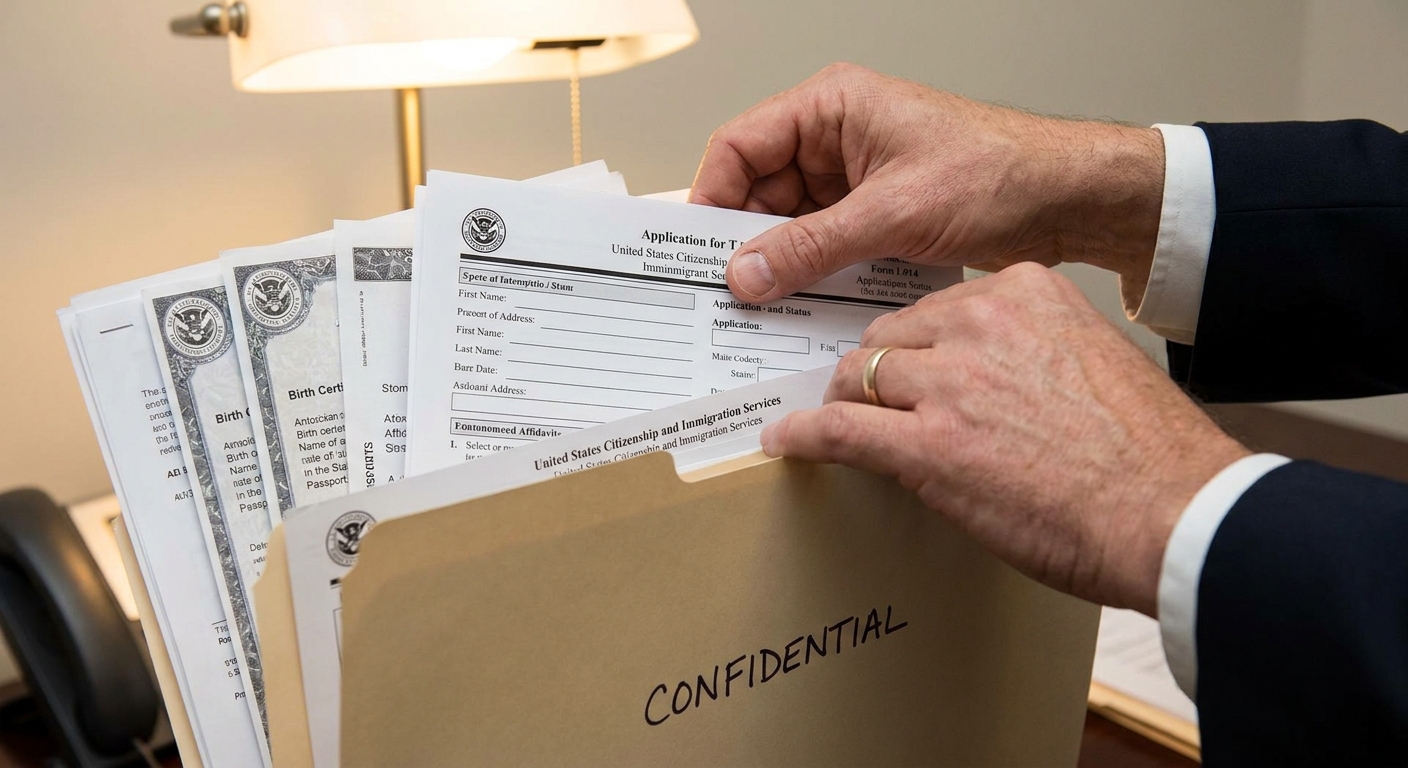
Beyond the definition of trafficking itself, applicants must meet several other strict criteria to be eligible for this humanitarian visa. These criteria focus on your personal circumstances and your willingness to assist authorities, reflecting the visa’s dual purpose of victim protection and law enforcement support.
Each of these points needs to be thoroughly addressed in your application, often with supporting evidence, to demonstrate to USCIS that you meet the necessary thresholds for protection.
- You are a victim of a severe form of human trafficking. Your experience must align with the definitions of sex or labor trafficking as outlined by USCIS.
- You are physically present in the U.S. due to the trafficking. This means you entered the country as a direct result of being trafficked, or you were trafficked within the United States. You do not necessarily have to have been trafficked into the U.S. to meet this criterion.
- You comply with reasonable requests from law enforcement. Generally, you must cooperate with any investigation or prosecution of your trafficker. However, exceptions exist for those under 18 at the time of the trafficking or if physical or psychological trauma prevents you from cooperating.
- You would suffer extreme hardship involving unusual and severe harm if removed from the U.S. This is a discretionary factor that USCIS carefully evaluates based on your individual situation.
The requirement of cooperation with law enforcement can be a significant concern for many survivors, especially given past trauma or fear of reprisal. It is helpful to know that legal counsel can help communicate with authorities and advocate for exceptions when appropriate, reducing the burden on victims.
What is ‘extreme hardship’ and how do you prove it?
The “extreme hardship” requirement is often one of the most complex T visa requirements to prove, as it relies heavily on demonstrating the unique and severe harm you would face if returned to your home country. This goes beyond general hardship, focusing on the specific risks tied to your trafficking experience.
USCIS considers a range of factors when assessing extreme hardship, evaluating how your unique circumstances would place you at unusual and severe risk. Your personal statement and corroborating evidence effectively illustrate this danger, strengthening your case.
- Risk of retaliation: A documented threat or history of harm from traffickers or associated individuals in your home country.
- Lack of critical care: Inability to access necessary medical, psychological, or social services for your recovery in your country of origin.
- Economic vulnerability: The prospect of extreme poverty or inability to secure basic necessities due to lack of support systems and the impact of trafficking.
- Trauma-related challenges: The specific psychological or physical health consequences of trafficking that would be exacerbated by removal, especially if care is unavailable elsewhere.
- Loss of access to justice: Being removed from the U.S. could mean losing access to the U.S. legal system, which is actively investigating or prosecuting your trafficker, and potentially facing an unsupportive or dangerous legal system abroad.
Gathering evidence to support your claim of extreme hardship typically involves a detailed personal statement describing your experience and fears, along with supporting documents like medical records, psychological evaluations, police reports, or country condition reports. Our immigration waivers attorneys often assist clients in preparing compelling evidence for similar discretionary requests.
What documents do you need to prepare for your T Visa application?
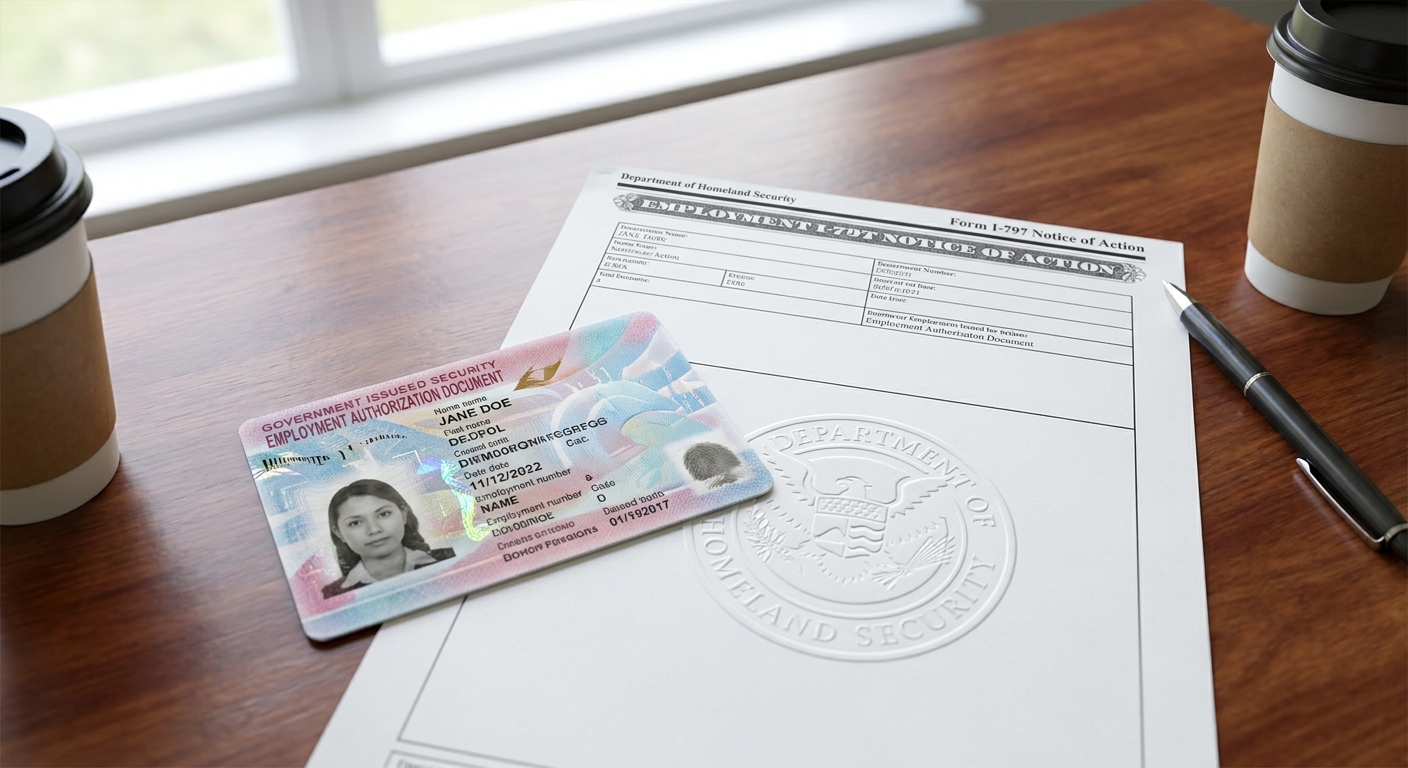
Applying for a T Visa involves compiling a comprehensive package of forms and supporting evidence that tells your story and proves your eligibility. The core of this application is Form I-914, Application for T Nonimmigrant Status, which details your experience as a trafficking survivor.
The documentation process can feel overwhelming, especially for those who have experienced trauma. However, organizing these materials carefully can significantly strengthen your case and demonstrate that you meet all the necessary T visa requirements.
- Form I-914, Application for T Nonimmigrant Status: This is the primary form for your T Visa application, requiring detailed information about your trafficking experience and how you meet eligibility criteria.
- Personal statement: A detailed, written account of your trafficking experience, including how you were trafficked, the force, fraud, or coercion used, and any extreme hardship you would face if removed.
- Evidence of severe human trafficking: This can include police reports, court documents, affidavits from witnesses, medical records, psychological evaluations, or letters from social workers, counselors, or victim advocates.
- Form I-914, Supplement B, Declaration of Law Enforcement Officer: While not mandatory, a declaration from law enforcement confirming your cooperation (or why you couldn’t cooperate) can significantly strengthen your application.
- Form I-765, Application for Employment Authorization: This form allows you to apply for a work permit once your T Visa application is pending or approved.
You should also note that you do not pay a filing fee for Form I-914 or Form I-765 when applying for T nonimmigrant status. This exemption helps ensure that financial barriers do not prevent trafficking survivors from seeking protection.
Can your family members also receive T Visa protection?
One of the significant benefits of the T Visa is the ability to seek protection for certain qualifying family members, known as derivative T Visas. This provision acknowledges that trafficking often affects entire families and aims to offer a holistic path to safety.
The ability for family members to gain t visa eligibility and secure legal status through the principal applicant’s petition is a powerful tool for family reunification and protection against further exploitation.
The specific family members who qualify depend on the age of the primary T Visa applicant.
| Principal T Visa applicant’s age | Qualifying family members (derivatives) | Required form for derivatives |
|---|---|---|
| 21 years or older | Spouse and unmarried children under 21 years of age. | Form I-914, Supplement A, Application for Family Member of T-1 Nonimmigrant |
| Under 21 years of age | Spouse, unmarried children under 21, parents, and unmarried siblings under 18 years of age. | Form I-914, Supplement A, Application for Family Member of T-1 Nonimmigrant |
Protecting your family is often a primary concern for survivors. Applying for derivative T Visas allows your loved ones to gain similar protections, including legal status, work authorization, and a potential path to legal permanent residence through our green card attorneys, ensuring the entire family can move towards stability together. Our work permit attorneys can also assist in securing employment authorization for qualified family members.
Navigating the detailed T visa requirements and application process can be challenging, especially while recovering from trauma. If you or a loved one may qualify for a T Visa, our team at Zava Immigration Law Group can help. We are immigrants helping immigrants, committed to providing compassionate guidance for survivors of human trafficking. Contact us in Phoenix, AZ to discuss your unique situation.
Frequently asked questions about T Visas
How long does it typically take to get a T Visa decision?
The processing time for a T Visa application can vary significantly, typically ranging from several months to over a year, depending on USCIS caseload and individual case complexities. While there isn’t a fixed timeline, some applicants may qualify for an expedited review or receive deferred action and work authorization while their application is pending. This temporary status can provide immediate protection from deportation and allows you to work legally during the adjudication process, offering critical stability while awaiting a final decision.
Can I apply for a T Visa if I haven’t reported my trafficker to the police?
You can still pursue a T Visa even if you haven’t reported your trafficker to the police. While cooperation with law enforcement is generally a requirement, exceptions apply if you were under 18 at the time of the trafficking or if physical or psychological trauma prevents you from cooperating. Our team can help you understand these specific exceptions and communicate with authorities on your behalf, reducing the burden on you while ensuring your application fully addresses this requirement.
What’s the main difference between a T Visa and a U Visa?
The T Visa is specifically for victims of human trafficking, offering protection to those who have endured severe forms of labor or sex trafficking. In contrast, the U Visa is for victims of certain other serious crimes, such as domestic violence, sexual assault, or felonious assault, who have suffered substantial physical or mental abuse and are willing to assist law enforcement. While both offer humanitarian protection and a path to legal status, the qualifying crime and experience of victimization are distinct.
What kind of evidence is strongest to prove extreme hardship for a T Visa?
Proving extreme hardship for a T Visa requires demonstrating unusual and severe harm you would face if removed from the U.S. Strong evidence often includes detailed personal statements, medical or psychological evaluations confirming trauma, police reports documenting threats or retaliation from traffickers, and country condition reports illustrating dangers in your home country. Gathering this comprehensive documentation effectively illustrates how your unique situation warrants protection beyond general difficulties, making your case compelling to USCIS.
What happens if my T Visa application is approved?
Upon T Visa approval, you will gain lawful nonimmigrant status in the U.S. for up to four years. This status automatically makes you eligible for an Employment Authorization Document (EAD), allowing you to work legally. Perhaps most significantly, it provides a pathway to apply for a green card after three years or once the trafficking investigation concludes, whichever comes first. This progression offers long-term stability and permanent residency, helping you rebuild your life securely.
What if my family members are living abroad, can they still get derivative T Visas?
Yes, qualifying family members living abroad can still be included in your T Visa petition through Form I-914, Supplement A. Once approved, these derivative family members would then undergo consular processing at a U.S. embassy or consulate in their home country. This process allows them to join you in the United States and also receive the protections and benefits of T nonimmigrant status, ensuring family reunification and collective safety from further exploitation.
Sources and official resources
- USCIS: Immigration Options for VictimsOfficial source
- USCIS Policy ManualOfficial source

Jessica Anleu (formerly Jessica Lewis) is an experienced immigration lawyer in Phoenix with a decade of immigration experience.
All PostsRelated Posts

An immigration detainer and the 48 hour hold in Maricopa County
What an immigration detainer really means for a 48 hour hold in a Maricopa County jail, and the exact steps families should take before that window closes.
Preparing for your hearing at the Florence immigration court
The Florence immigration court operates inside one facility, but a nearby complex often gets confused with it. Here is how to tell them apart.

How the judge decides if you go home at an immigration bond hearing
An immigration bond hearing decides if you can leave detention while your case continues. Here is what the judge weighs before deciding your case.
Your privacy, your choice
With your permission, Google Analytics and Microsoft Clarity help us understand site use. Google Ads and Meta measure advertising. You can decline all or choose each category. Forms work with any choice.
Checked options stay off until you save them.