
Sibling-to-Sibling Petition: Requirements, Steps and More
Table of contents
A sibling petition allows a U.S. citizen over 21 to sponsor a brother or sister for permanent residency in the United States. It is one of the most requested — and most competitive — family-based immigration categories, with waiting times that can stretch over a decade.
This guide covers the requirements, the step-by-step process, and what to expect in terms of timelines. If you need legal guidance, our family petition lawyers at Zava Immigration Law Group are ready to help.
What is the sibling-to-sibling petition in the USA?
A sibling petition is a process through which a U.S. citizen over the age of 21 may bring his or her siblings to live permanently in the United States. This is done through Form I-130 and, once approved, Form I-485 is filed for status adjustment.
However, beneficiaries should not enter the country with a pending application. If they do so, they could face severe consequences. Therefore, it is best to seek the advice of an attorney. Don’t risk your family’s future. At Zava Immigration Law we can help you. Contact us and secure the future of your loved ones.
Sibling-to-Sibling Petition Requirements
To file a sibling-to-sibling petition, you must meet the requirements described in the following table:
| Requirement | Description |
| Citizenship | Applicant must be a U.S. citizen. |
| Age | Applicant must be 21 years of age or older. |
| Documentation | Form I-130 (Petition for Alien Relative) |
| Form I-485 (Application to Register Permanent Residence or Adjust Status) | |
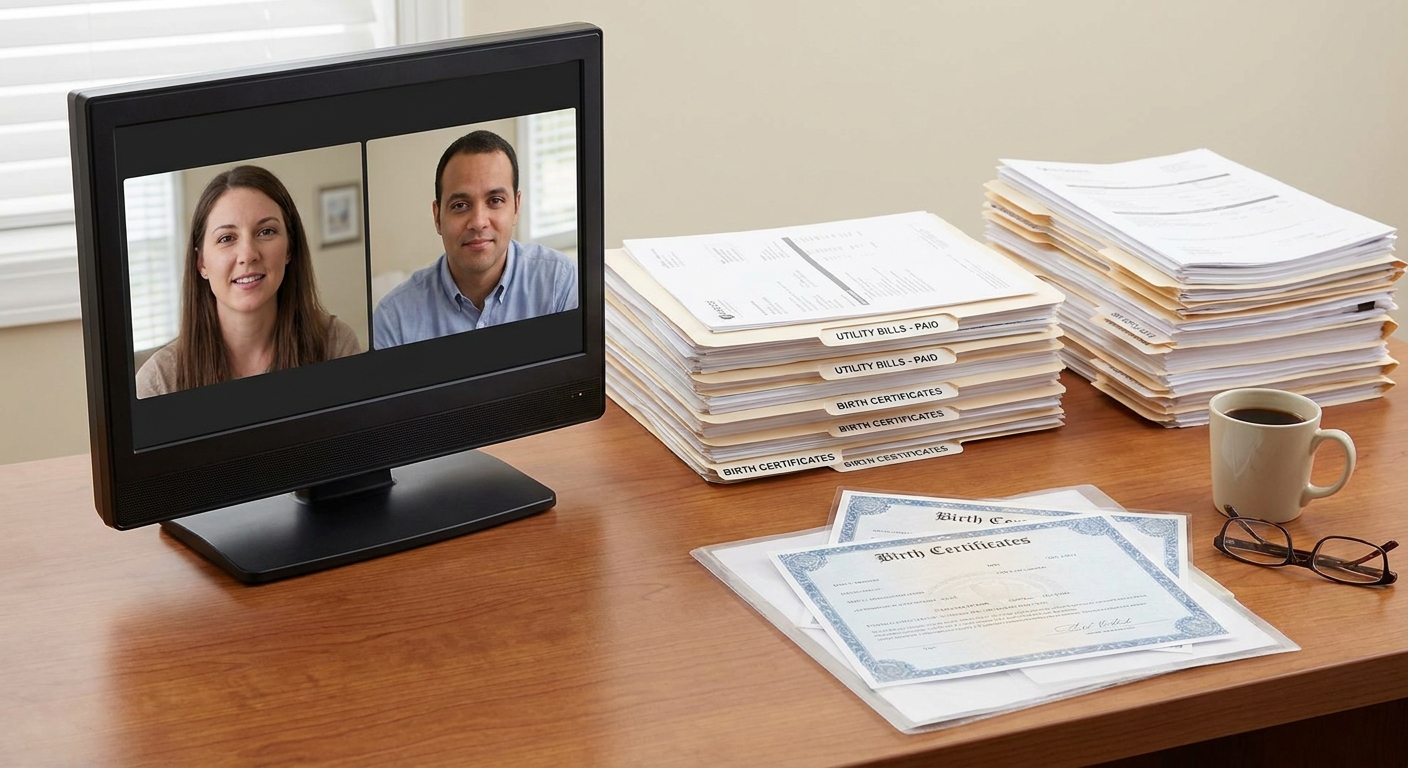
| Evidence of U.S. citizenship, such as: – Copy of your valid U.S. passport. – Copy of your U.S. birth certificate. – Copy of consular report of birth abroad – Copy of your naturalization certificate – Copy of your citizenship certificate |
|
| Evidence of family relationship, such as: – Copy of birth certificate – Copy of identity document – Copies of your parents’ marriage certificates |
|
| Entry to the U.S. | Siblings (beneficiaries) are not allowed to enter the U.S. while their application is pending. |
If your sibling is out of the country, he or she will need to follow the consular process once his or her Form I-130 is approved. This can present its complexities, so it is ideal to have an immigration attorney. At Zava Immigration Law Group we can help you. Tell us your case and secure your family’s future.
Steps for Sibling-to-Sibling Petitioning
The sibling petition process can be summarized in the following steps:
Step 1: Verify Eligibility
Step 2: File Form I-130
Step 3: Wait for Approval
Step 4: File Form I-485
Please note that this process may take time, and USCIS may require additional documentation or schedule an interview if necessary. For this reason, it is best to enlist the help of an immigration attorney to guide you. At Zava Immigration Law Group we can assist you. Talk to an attorney and take the first step to help your loved ones.
Review Process and Waiting Times
Depending on the USCIS workload at the time you file your sibling petition, Form I-130 approval can take anywhere from six months to a year. In addition, there is an additional waiting period depending on the priority date and visa quota, which varies according to the sibling’s country of origin.
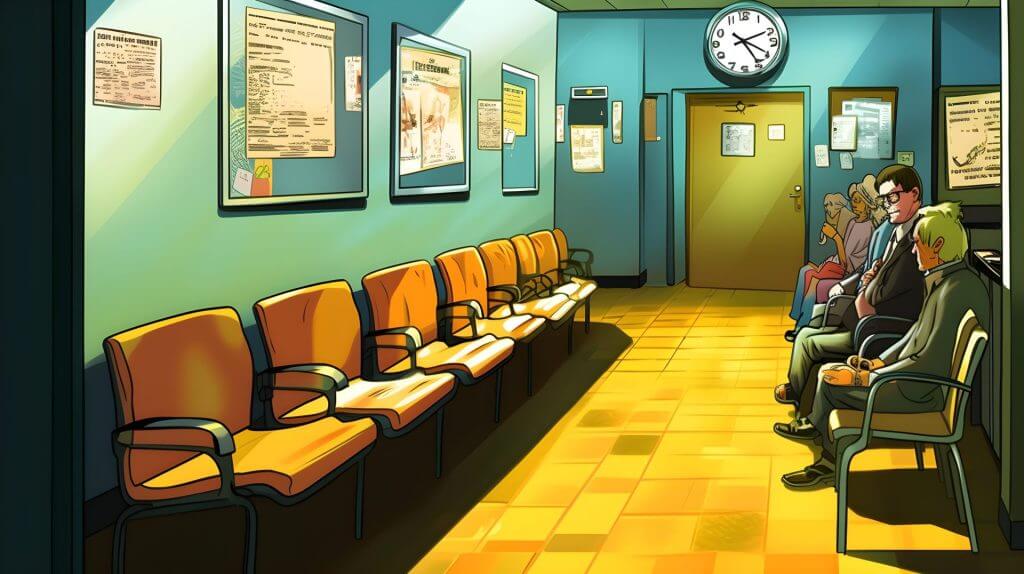
For their part, errors in the application and lack of additional documentation are factors that can delay or even truncate your sibling’s petition. Therefore, it is best to have an immigration lawyer to help. At Zava Immigration Law Group we can assist you. Contact us and let’s expedite your immigration process together.
Useful Tips for Successful Petitioning
There are many factors that could contribute to the success of your sibling petition. Therefore, here are some useful tips:
- Thorough Preparation: Be sure to collect all necessary documents and complete the forms accurately and completely before submitting your application. This is key to avoid unnecessary paperwork and requests for additional documentation.
- Follow Instructions: Carefully read all instructions provided by USCIS and follow each step of the process as directed to avoid delays or problems.
- Keep Communication Up-to-Date: Stay alert to any communication from USCIS or the consulate and respond to any requests for additional documentation in a timely and complete manner.
- Retain Proof of Submission: Keep copies of all documents submitted and any correspondence related to your application as evidence in case of need.
If you have doubts or find yourself in difficulties, it is best to seek legal advice from an immigration attorney. An expert can guide you through the process, helping you avoid delays and inconveniences. Don’t risk your family’s future. At Zava Immigration Law Group we can help you. Tell us about your case and get the legal help you need.
Work with a family petition lawyer in Phoenix
The sibling petition process involves long waiting times, strict documentation, and complex eligibility rules. A single mistake can delay your case. At Zava Immigration Law Group, our family petition lawyers guide you through every step — from filing Form I-130 to the final green card interview.
Sources and official resources
- Form I-130Official source
- Form I-485Official source
- USCIS: Family ImmigrationOfficial source
- USCIS Policy ManualOfficial source

Jessica Anleu (formerly Jessica Lewis) is an experienced immigration lawyer in Phoenix with a decade of immigration experience.
All Posts