Visa bulletin shocks with big moves: EB-2 and EB-3 now current, F2A filing opens
Table of contents
Estimated reading time: 6 minutes
The Department of State’s April Visa Bulletin moved several priority dates forward, making EB-2 (rest of world) current, advancing EB-3 by months, and declaring the F2A family category current. USCIS also confirmed use of the Dates for Filing chart for employment-based adjustment filings, creating an immediate filing window for many applicants already in the United States.
These changes affect employment-based professionals, skilled workers, and spouses of green card holders by expanding access to Form I-485 filings and associated work and travel authorizations. The bulletin’s forward movement follows months of underused visa numbers and administrative adjustments; however, the window could narrow if demand spikes, so prompt action is advised.

What changed in the April visa bulletin?
The April bulletin shows notable forward movement across key categories. Most prominently, the EB-2 category for the rest of the world is listed as current, allowing eligible applicants to file adjustment of status without priority date waits. EB-3 (rest of world) advanced several months, and the F2A family category for spouses and minor children of permanent residents became current.
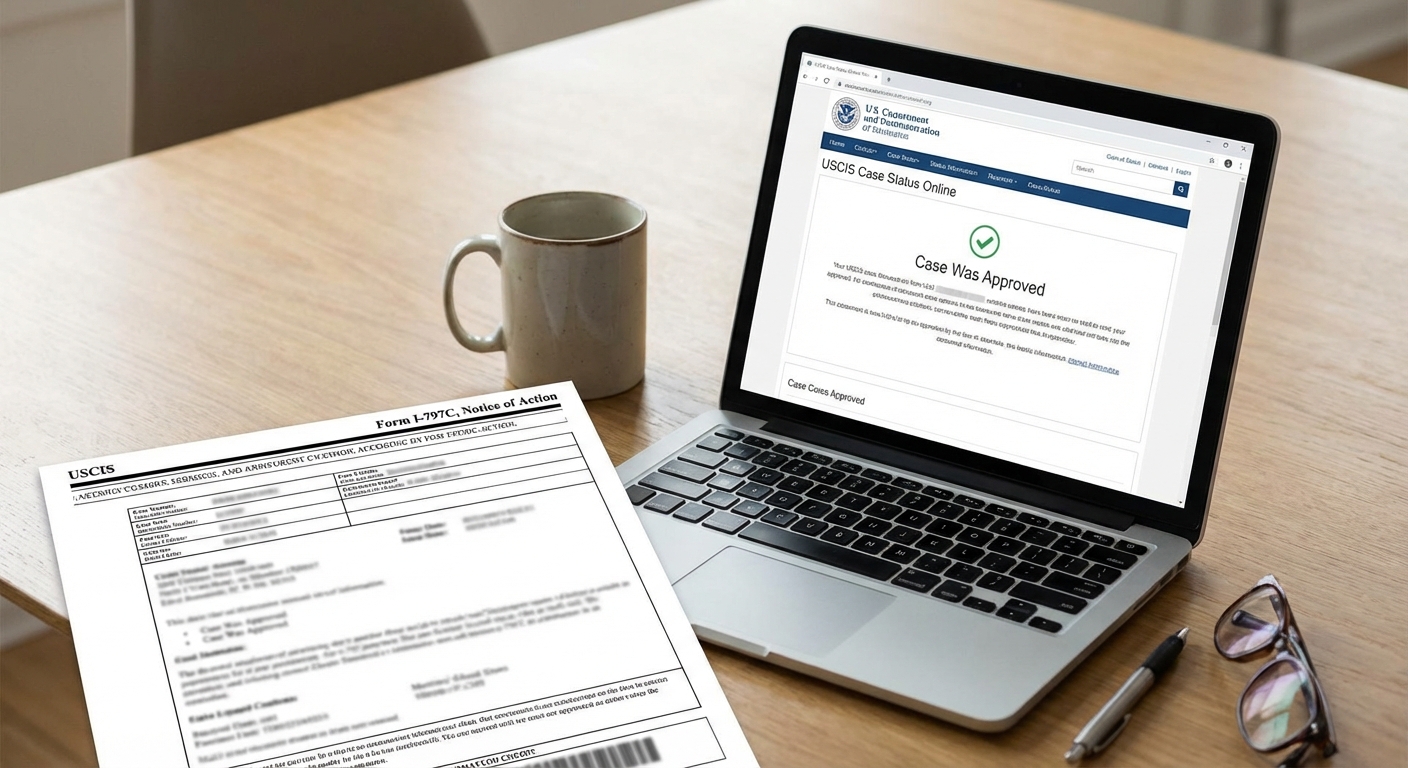
USCIS’s confirmation to accept applications based on the Dates for Filing chart for employment-based cases means many applicants can submit Form I-485 now and request employment authorization and advance parole. The Department of State’s bulletin is the official source for these cutoff dates; see the Department of State bulletin for details.
Why did the dates move forward?
Several technical and administrative factors combined to create this movement. Lower-than-expected visa usage in prior months, spillover from unused family-sponsored visas, and a fiscal year reset often free up numbers early in the new fiscal period. Processing capacity improvements at consular posts and USCIS also contributed to the ability to advance dates.
Observers and immigration professionals noted the trend continued from the prior month and reflected a rare multi-month advance across employment categories. Analysts caution that the progress is sensitive to sudden increases in filings; if demand surges, retrogression could follow.

Who benefits, and how significant is the impact?
Primary beneficiaries are EB-2 and EB-3 applicants outside high-backlog countries, spouses and minor children of green card holders in F2A, and U.S. employers facing shortages in tech, healthcare, and engineering. For many, filing I-485 now enables interim work authorization and travel permission through EAD/AP combinations while waiting for final approval.
Family unity is an immediate benefit where F2A applicants can file concurrently with sponsoring relatives. Employers gain retention advantages when key employees receive work authorization stability. Still, long-term green card adjudications for applicants from high-demand countries may remain slow despite these advances.
What should prospective filers do now?
Eligible applicants should verify their category and priority date against the Department of State bulletin and the USCIS Dates for Filing guidance. If eligible to file, prepare and submit Form I-485 and supporting documents promptly, including medical exams, employment verification, and passport photos, and consider concurrently filing Form I-765 and Form I-131 for work and travel authorization.
Because procedural nuances can affect eligibility—especially for derivative family members and employment-based beneficiaries—consult official guidance on the Department of State site and consider legal assistance to avoid avoidable delays or improper filings.
How long will this filing window last?
The bulletin’s forward movement offers a narrow opportunity. Visa availability can retrogress in subsequent months if a large number of applicants file, consuming the available numbers. Predicting duration is difficult; historical patterns show windows can close quickly when demand concentrates after major advances.
Acting quickly preserves filing options, but applicants should balance speed with thorough preparation. Filing incomplete applications or omitting required evidence risks delays or requests for additional documentation.
Next steps and takeaways?
These developments deliver meaningful short-term opportunities: EB-2 and F2A current status expands immediate filing access, EB-3 advanced substantially, and USCIS’s Dates for Filing confirmation broadens adjustment access. Applicants and employers should check the Department of State bulletin and USCIS filing guidance, assemble complete application packages, and be prepared for potential retrogression.
For personalized evaluation of eligibility and filing strategy, contact a qualified immigration attorney. At Zava Immigration Law, we provide focused guidance on timing, document preparation, and concurrent filings to help clients use this window effectively and minimize risks during the adjustment process.
Sources: Department of State visa bulletin, USCIS filing guidance, AILA news clips, Georgetown International Services briefings, Democracy Now coverage, and practitioner summaries and updates available via public briefings and videos from immigration commentators.
Sources and official resources
- U.S. Department of State: Visa BulletinOfficial source
- USCIS Policy ManualOfficial source

Jessica Anleu (formerly Jessica Lewis) is an experienced immigration lawyer in Phoenix with a decade of immigration experience.
All Posts