USCIS Restores Naturalization Neighborhood Investigations
Table of contents
Reading time: 4 minutes
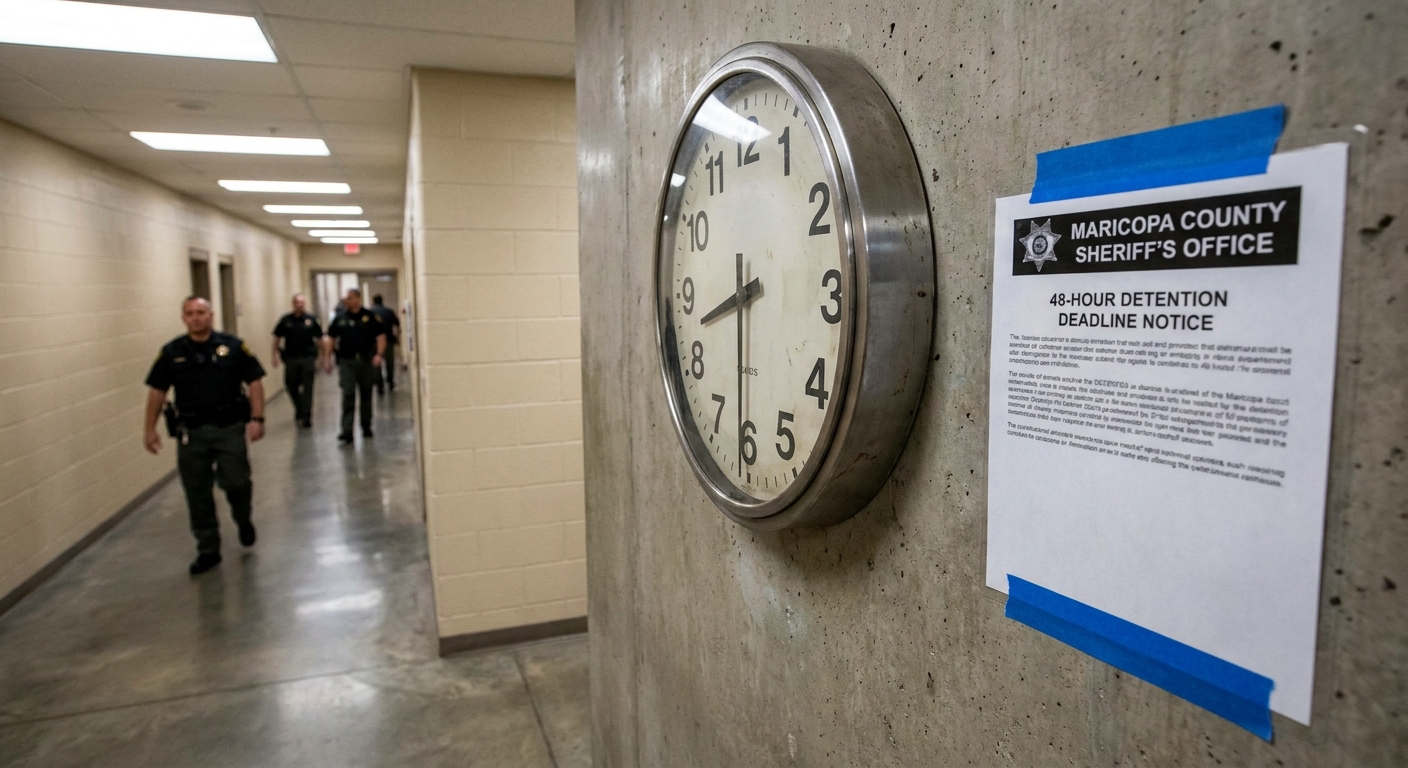
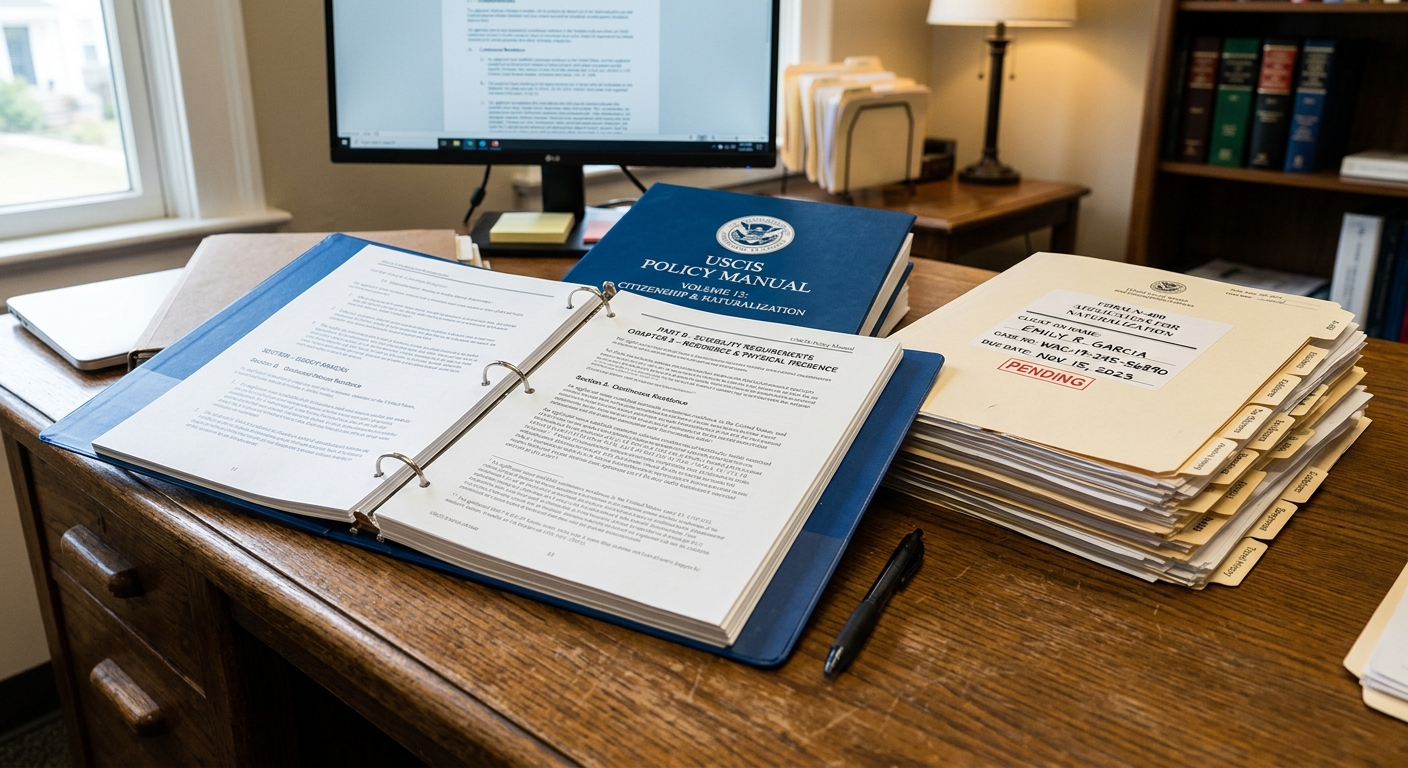
The United States Citizenship and Immigration Services has updated its official Policy Manual to reintroduce personal neighborhood investigations for individuals seeking naturalization. This change reinstates a process where immigration officers conduct local inquiries to assess and validate the information provided by citizenship applicants. The revision directly affects those currently undergoing eligibility evaluations for U.S. citizenship.
According to the update published in the USCIS Policy Manual, these investigations will serve as a method to verify applicant details before any final approval of citizenship is granted. This operational shift highlights a return to more localized verification methods. It marks a significant adjustment in how applicant eligibility is reviewed and confirmed.
Under the updated guidance, immigration officers are instructed to actively verify the personal details and statements submitted in naturalization applications. This means that officers may seek out information directly from local environments. The goal of these investigations is to ensure all eligibility requirements are fully documented and validated through active inquiries.

Legal Basis: Section 335(a) of the Immigration and Nationality Act
The legal basis for this policy is rooted in section 335(a) of the Immigration and Nationality Act. This statutory provision outlines the authority of immigration officers to conduct investigations in the neighborhoods where applicants reside. Through this legal framework, officers are directed to assess and corroborate applicant details to confirm eligibility for naturalization.
By invoking section 335(a) of the Immigration and Nationality Act, the federal agency reinforces its ability to utilize local inquiries. These inquiries allow officers to gather information directly from the community. This approach ensures that the factual claims made by naturalization applicants align with the observations made during localized investigations.
Under this provision, immigration officers have the authority to interact with individuals in the applicant’s local area. These local inquiries may involve speaking with people who reside or work near the applicant. The objective is to gather credible testimony and observations that can corroborate the details provided on the application.
The reintroduction of these neighborhood investigations means that applicants should expect a more thorough vetting process. Every detail submitted on a citizenship application could potentially be subject to local verification. This makes a clear understanding of the updated Policy Manual guidance necessary for anyone currently seeking naturalization.
Restoring local inquiries for citizenship applicants
The decision to restore personal neighborhood investigations highlights a shift toward more rigorous verification. In previous years, the emphasis on local field investigations varied. This latest update to the USCIS Policy Manual formally integrates personal neighborhood inquiries back into the standard evaluation toolkit.
The reintroduction of these field inquiries suggests that the agency is dedicating resources to personal, off-site verification. Rather than relying solely on office interviews and database reviews, officers will physically investigate local areas. This localized approach allows the agency to address any potential discrepancies in an applicant’s file directly at the source.
Applicants should understand that these investigations are designed to confirm their actual living situation and background. Officers conducting these inquiries may seek to confirm residency, employment, or other personal circumstances. This localized corroboration forms a significant part of the modern eligibility evaluation process for U.S. citizenship.
How will officers corroborate applicant eligibility?
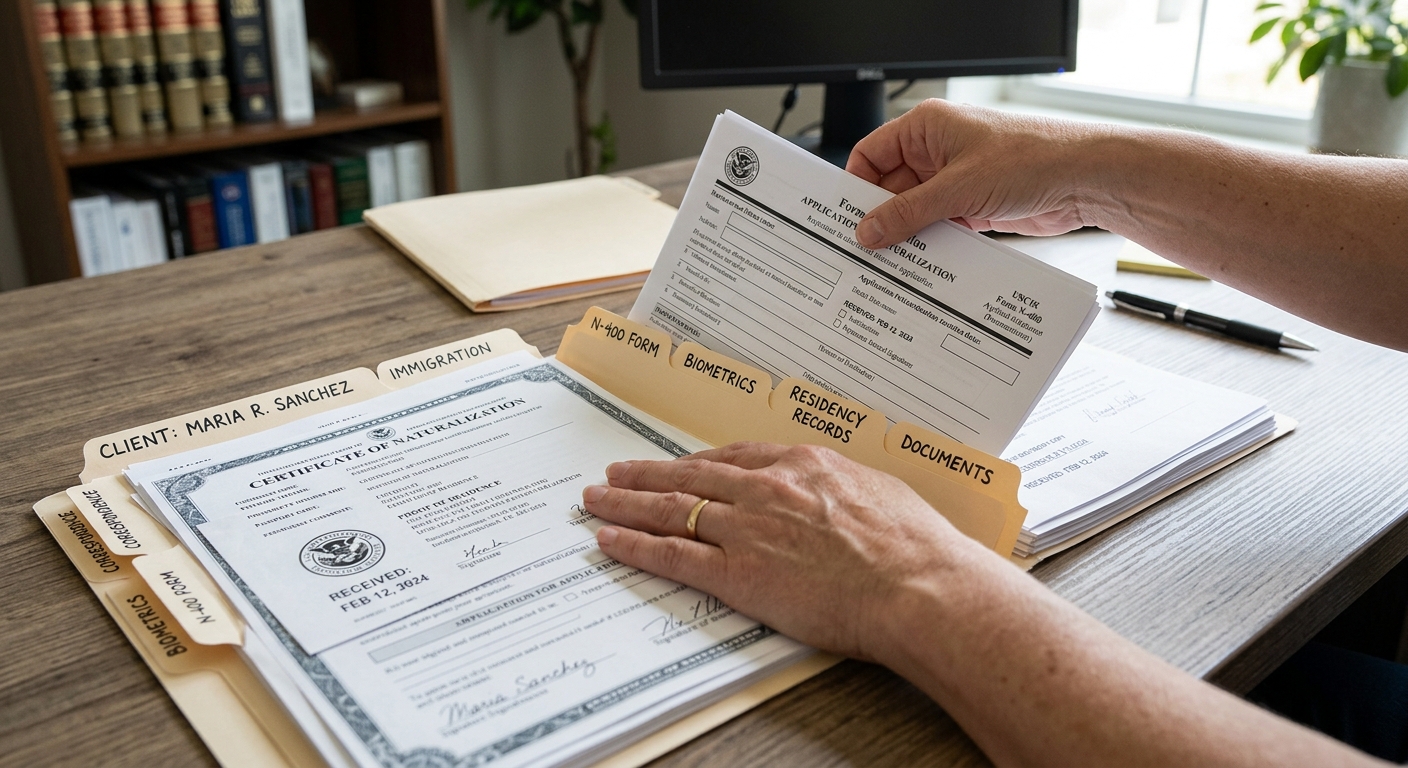
Immigration officers are now instructed to assess and corroborate applicant information through active local inquiries. This process requires officers to leave the office environment and conduct investigations within the applicant’s neighborhood. These actions are designed to gather firsthand information regarding the applicant’s lifestyle, residency, and background.
The local investigations will focus on validating the statements made in the citizenship application. Officers will compare the information gathered during community inquiries with the records provided by the applicant. Any inconsistencies discovered during these investigations could prompt further questions or a detailed review of the file.
These local inquiries may target various aspects of an applicant’s daily life. Officers might speak with neighbors, landlords, or local business owners to verify residency and conduct. This method of verification helps ensure that the information evaluated by the agency is accurate and reliable.
By conducting these field investigations, officers can obtain a clearer picture of an applicant’s eligibility. The physical presence of immigration officers in local neighborhoods serves as a direct method of fact-checking. This active verification is intended to prevent fraud and confirm compliance with naturalization laws.
The guidelines in the USCIS Policy Manual make it clear that these investigations are a standardized tool. Officers will use them as part of their routine eligibility evaluations. This ensures that the agency maintains high standards of integrity throughout the entire naturalization process.
What this policy change means for your naturalization process
This policy change directly affects individuals applying for U.S. citizenship who must undergo eligibility evaluations. Because the update allows for localized verification, applicants should expect their cases to involve detailed scrutiny. The potential for a physical neighborhood visit introduces a new variable into the naturalization timeline.
The presence of neighborhood investigations means that the accuracy of all submitted information is critical. Even minor discrepancies in residency history or other personal details could trigger a local investigation. Applicants must ensure that every detail on their forms is completely accurate and supported by evidence.
This update also highlights the need for maintaining consistent and verifiable records. Because officers will corroborate information locally, applicants should be prepared for potential questions regarding their community interactions. This change emphasizes the thoroughness of the evaluation process that every citizenship candidate must face.
Understanding how these investigations are conducted can help applicants prepare for the process. While not every applicant may experience a physical visit to their neighborhood, the policy makes it a possibility for all. This makes a careful review of all application materials highly beneficial before submitting them to the agency.

Navigating the updated guidelines with legal support
The team at Zava Immigration Law Group is prepared to help families and applicants navigate this updated guidance during their naturalization process. Working with our team can assist you in reviewing your files. You can prepare for these inquiries by consulting with an immigration attorney to address any potential concerns.
Our experienced legal team understands the nuances of eligibility evaluations. We work with applicants to review their documentation and ensure that all information aligns with official requirements. This careful preparation is designed to help applicants navigate the naturalization process with greater confidence.
Because the policy manual update introduces personal neighborhood investigations, having legal support can be beneficial. We help families understand what to expect during local inquiries. Our goal is to ensure that your application is clear, accurate, and fully prepared for any level of verification.
The reintroduction of local investigations is a reminder of the complex nature of U.S. immigration procedures. Having professional guidance can help you navigate these updates smoothly. Our team is committed to supporting applicants through every step of their naturalization journey.
Sources and official resources
- USCIS Policy ManualOfficial source
- USCIS: CitizenshipOfficial source
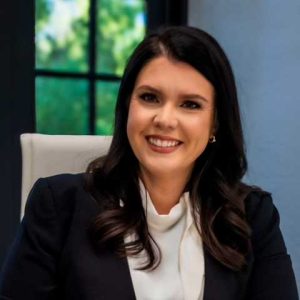
Jessica Anleu (formerly Jessica Lewis) is an experienced immigration lawyer in Phoenix with a decade of immigration experience.
All Posts