Thousands skip the dangerous Darien Gap as Safe Mobility Offices reach major milestone
Table of contents
Estimated Reading Time: 6 minutes
The Safe Mobility Offices initiative has reached a historic benchmark, successfully processing over 30,000 individuals for lawful pathways into the United States, Canada, and Spain. This collaborative program, led by the U.S. Department of State and the Department of Homeland Security, signifies a major shift in regional migration management by offering vetted alternatives to the dangerous journey through the Darien Gap. By establishing physical processing centers in key transit nations, the initiative aims to reduce irregular border crossings while expanding access to refugee resettlement, family reunification, and labor programs.
This milestone reflects a growing effort to decouple migration from the control of human smugglers and provides a structured framework for individuals seeking safety or economic opportunity. For families navigating the complexities of the immigration system, these offices represent a significant evolution in legal processing that prioritizes safety and order over the uncertainty of the southwest border. The program serves as the cornerstone of current strategy, balancing increased consequences for illegal entry with the expansion of legitimate, safe avenues for those in need of protection.

What are the safe mobility offices?
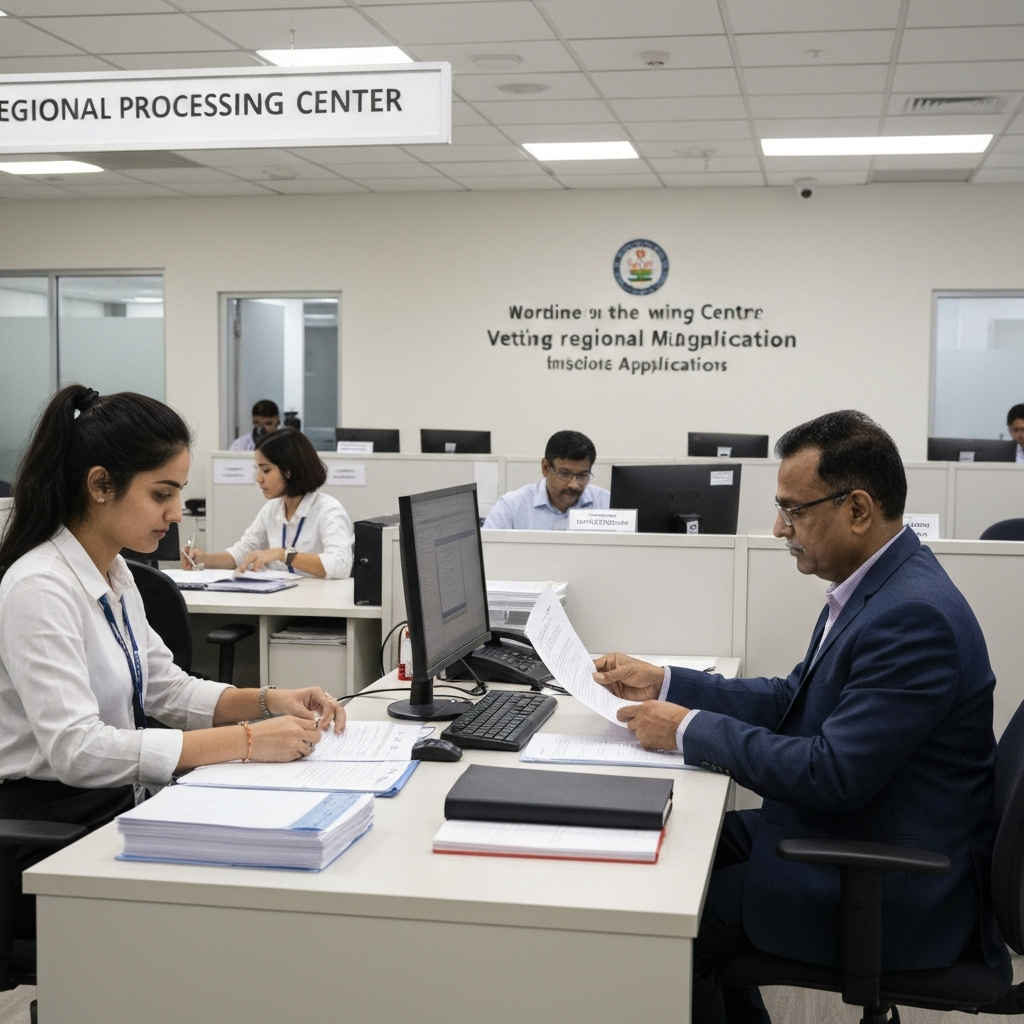
The Safe Mobility Offices, known in Spanish as Movilidad Segura, represent a paradigm shift in how the United States and its regional partners manage migration. Rather than forcing individuals to travel thousands of miles to reach a physical border to claim asylum, these offices allow migrants to be screened for eligibility in their current locations. This model moves away from a purely enforcement-based strategy toward a regional processing system that addresses migration at its source.
According to the latest Fact Sheet: Update on the Safe Mobility Offices Initiative from the U.S. Department of State, these offices are strategically located in countries such as Colombia, Guatemala, Costa Rica, and Ecuador. By providing a centralized location for screening, the program ensures that migrants can access legal pathways without risking their lives in the Darien Gap. This approach is designed to meet the humanitarian commitments made under the Los Angeles Declaration on Migration and Protection.
A shift toward regional processing
For decades, the standard migration route involved a perilous journey through multiple countries, often under the control of transnational criminal organizations. The Safe Mobility Offices change this dynamic by offering a vetted, lawful alternative. Migrants who utilize these offices are screened for various programs, including traditional refugee resettlement and specialized parole processes. This transition helps to ensure that migration is handled in an orderly, humane, and legal manner from the very beginning.
Recent updates indicate that the processing speed at these offices has surged significantly. Federal agencies have streamlined the internal workflows, allowing for a higher volume of applications to be reviewed. This increased efficiency is critical for maintaining the momentum of the program and ensuring that individuals are not left in limbo for extended periods. The goal is to create a predictable system that benefits both the migrants and the host countries involved in the process.
Expansion success in Ecuador and Colombia
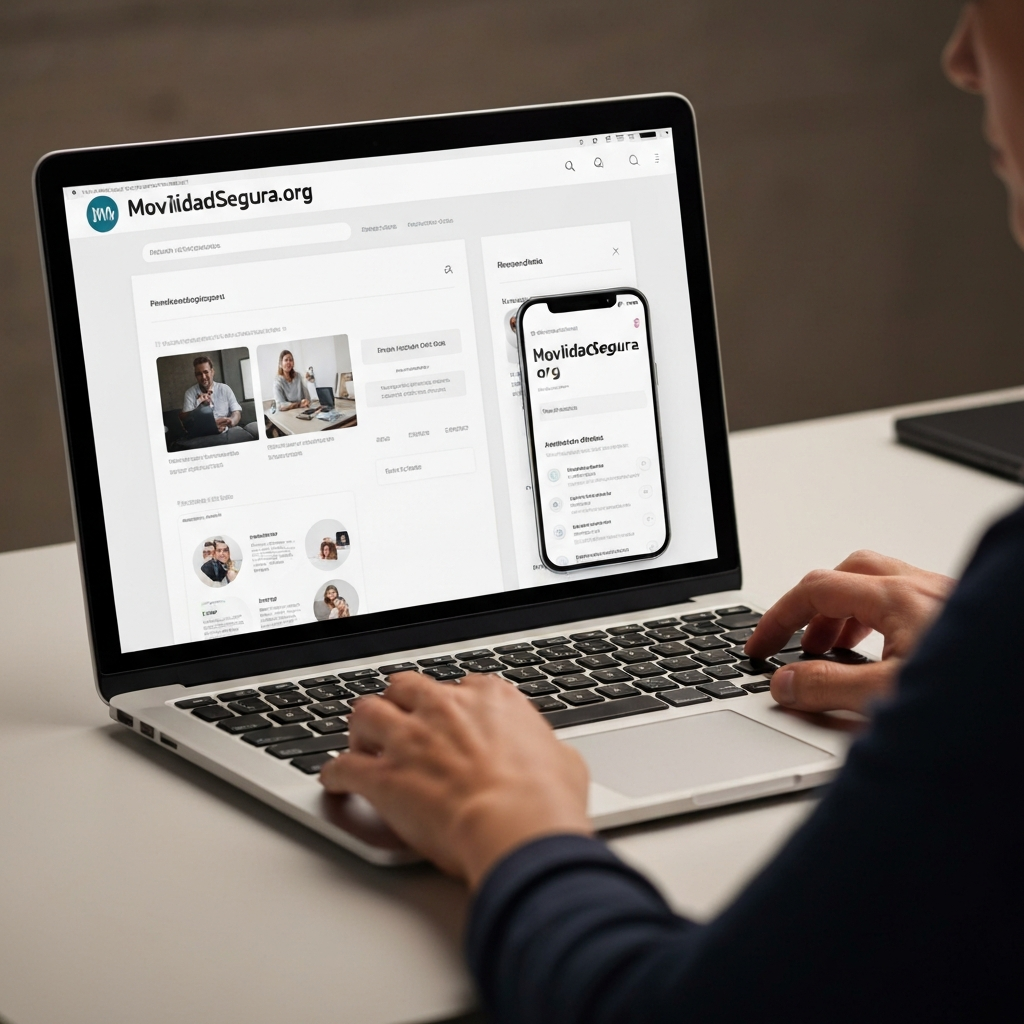
The expansion of these offices into Ecuador has shown remarkable success. In cities like Quito and Guayaquil, the offices have successfully integrated with local municipal services to handle a high volume of Venezuelan and Colombian nationals. By utilizing the MovilidadSegura.org portal, the program has been able to reach thousands of individuals who were previously unaware of their legal options. This local integration is essential for the long-term sustainability of the regional processing model.
In Colombia, the initiative continues to serve as a vital link for those seeking protection. The coordination between the U.S. government and the United Nations High Commissioner for Refugees ensures that humanitarian standards are met at every step. By providing a safe environment for interviews and screenings, the offices help individuals avoid the extortion and violence that are rampant on irregular migration routes. This collaborative effort demonstrates a high level of diplomatic cooperation across the Western Hemisphere.
How does this impact the U.S. border?
The successful implementation of these offices has a direct and measurable impact on the U.S. southwest border. Preliminary data suggests a stabilizing or declining trend in irregular encounters for nationalities specifically targeted by these programs. When people are provided with a clear, legal, and safe way to migrate, they are far less likely to attempt a dangerous illegal crossing. This shift helps to alleviate the strain on Border Patrol resources and processing facilities.
The DHS Reports on Lawful Pathways and Border Enforcement Trends indicate that the integration of the CBP One app with Safe Mobility Office processing has further enhanced efficiency. Individuals who are determined to be eligible for parole at a regional office can now receive expedited appointments. This avoids the “lottery” feel of the app at the physical border and provides a more structured entry process for those who have already been pre-screened and vetted.
This “carrot and stick” approach is a fundamental part of current policy. While the government is increasing the consequences for those who cross the border illegally, it is simultaneously expanding the “carrots” or legal avenues for entry. By making the Safe Mobility Offices the primary point of entry for many, the administration is reinforcing the idea that lawful pathways are the only viable option for those seeking to enter the United States.
The legal framework behind the initiative
The legal architecture supporting these developments is rooted in the Immigration and Nationality Act. Specifically, Section 212(d)(5) provides the Secretary of Homeland Security with the discretionary authority to grant parole to individuals for urgent humanitarian reasons or significant public benefit. This authority allows the government to facilitate the entry of vulnerable populations who have been screened at Safe Mobility Offices without traditional visa backlogs.
Furthermore, the Refugee Act governs the formal resettlement process for those identified as having a well-founded fear of persecution. By conducting these screenings in third countries, the U.S. can manage its refugee admissions more effectively. This legal framework is bolstered by the Circumvention of Lawful Pathways rule, which creates a presumption of asylum ineligibility for those who fail to utilize these available legal channels before crossing the border without authorization.
Addressing labor shortages through legal pathways
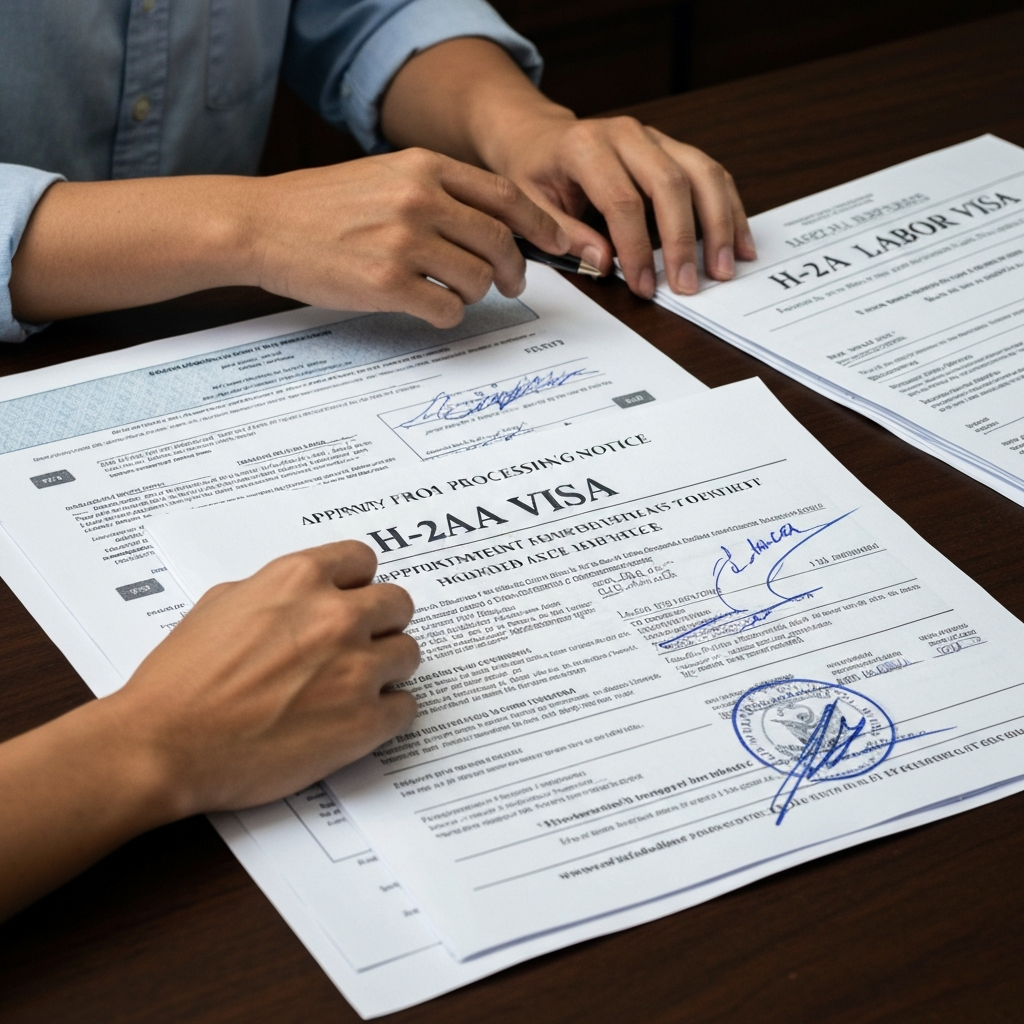
Beyond humanitarian protection, the Safe Mobility Offices are increasingly being used to facilitate labor-based pathways. Many individuals processed through these centers are being directed toward H-2A and H-2B visa programs. These programs are vital for the U.S. agricultural and construction sectors, which are currently facing historic labor shortages. By linking migration management with economic needs, the program creates a win-win scenario for both migrants and U.S. businesses.
Business leaders and Chambers of Commerce have reacted positively to this expansion. They see the regional processing centers as a potential pipeline for much-needed legal labor. By ensuring that workers are properly vetted and documented before they arrive, the program provides a level of security and predictability that the informal labor market lacks. This economic integration is a key component of building a durable and functional immigration system for the modern era.
How does this progress impact your immigration journey?
The evolution of regional processing centers like the Safe Mobility Offices is a testament to what is possible when compassion meets a structured legal framework. It is heartening to see thousands of families find a path to safety and opportunity without having to endure the trauma of an irregular journey. This progress reminds us that the immigration system, while complex, is capable of adapting to meet humanitarian needs in a way that respects the law and protects human dignity. Navigating these new pathways requires precision and an understanding of the latest federal policies. At Zava Immigration Law, we are here to guide you through every milestone of your journey, ensuring your goals are met with expert care and personalized attention. Contact us today to explore how these new legal avenues can work for you and your loved ones.
Sources and official resources
- EOIR: Learn About Immigration CourtOfficial source
- USCIS Policy ManualOfficial source
Jessica Anleu (formerly Jessica Lewis) is an experienced immigration lawyer in Phoenix with a decade of immigration experience.
All Posts