Thousands of Haitian migrants saved from deportation in massive new DHS ruling
Table of contents
Estimated reading time: 6 minutes
The Department of Homeland Security recently announced the extension and redesignation of Haiti for Temporary Protected Status, a decision that impacts hundreds of thousands of people. This move provides a crucial shield against deportation for Haitian nationals currently residing in the United States, acknowledging the extreme civil unrest and humanitarian crisis in their home country. By moving the eligibility cutoff date, the administration has opened a path for thousands of more recent arrivals to live and work legally in the country.
This policy shift is not merely a technical adjustment but a lifeline for families who have sought safety in the U.S. interior. It addresses both the humanitarian necessity of protecting vulnerable populations and the practical needs of the American labor market. As the program expands, understanding the specific requirements for application and the timeline for work authorization becomes essential for those looking to secure their legal standing under these updated federal guidelines.

What is Temporary Protected Status and how does it work?
Temporary Protected Status, commonly known as TPS, is a legal designation granted by the Secretary of Homeland Security to eligible nationals of a country that is suffering from conditions that make it unsafe for people to return. These conditions can range from ongoing armed conflict to environmental disasters or other extraordinary situations. When a country receives this designation, its nationals already living in the United States are granted a stay of removal and are eligible for employment authorization.
The primary benefit of this status is that it offers a period of stability. While it does not lead directly to permanent residency, it allows individuals to contribute to their communities and support their families without the constant fear of deportation. It is a vital tool within the broader framework of the Immigration and Nationality Act, providing a humanitarian response to global crises while maintaining the integrity of the nation’s legal borders.
Why was Haiti redesigned for TPS?
The decision to redesignate Haiti stems from a multifaceted crisis that has gripped the nation for years. Currently, Haiti is facing a total collapse of state institutions, compounded by widespread gang violence that has taken control of vast portions of the capital city. This instability has created a severe humanitarian emergency where basic necessities like food, water, and medical care are increasingly difficult to access. Returning individuals to these conditions would be inconsistent with humanitarian principles.
According to the official announcement from the Department of Homeland Security, the Secretary determined that the extraordinary and temporary conditions in Haiti prevent its nationals from returning in safety. This redesignation is a response to the unprecedented reality on the ground, where gang violence and a lack of infrastructure have turned the country into a high-risk zone. By providing this protection, the U.S. government acknowledges that the safety of these individuals is a priority.
Who qualifies under the new residency requirements?
The most significant aspect of the recent update is the distinction between an extension and a redesignation. An extension simply continues the status for those who already have it, while a redesignation changes the cutoff date for residency. This means that Haitian nationals who have been residing in the United States since early June of this year are now eligible to apply for TPS for the first time. This change captures a large group of people who previously lived in legal uncertainty.
The updated guidance from U.S. Citizenship and Immigration Services clarifies that this expansion is expected to cover over 300,000 additional people. To qualify, applicants must demonstrate their continuous residence in the United States and undergo thorough background checks. This strategic cutoff date is intended to provide relief to those already present in the country while signaling that the border remains closed to new unauthorized entries, maintaining a balance between compassion and enforcement.
How will work permit extensions benefit Haitian nationals?
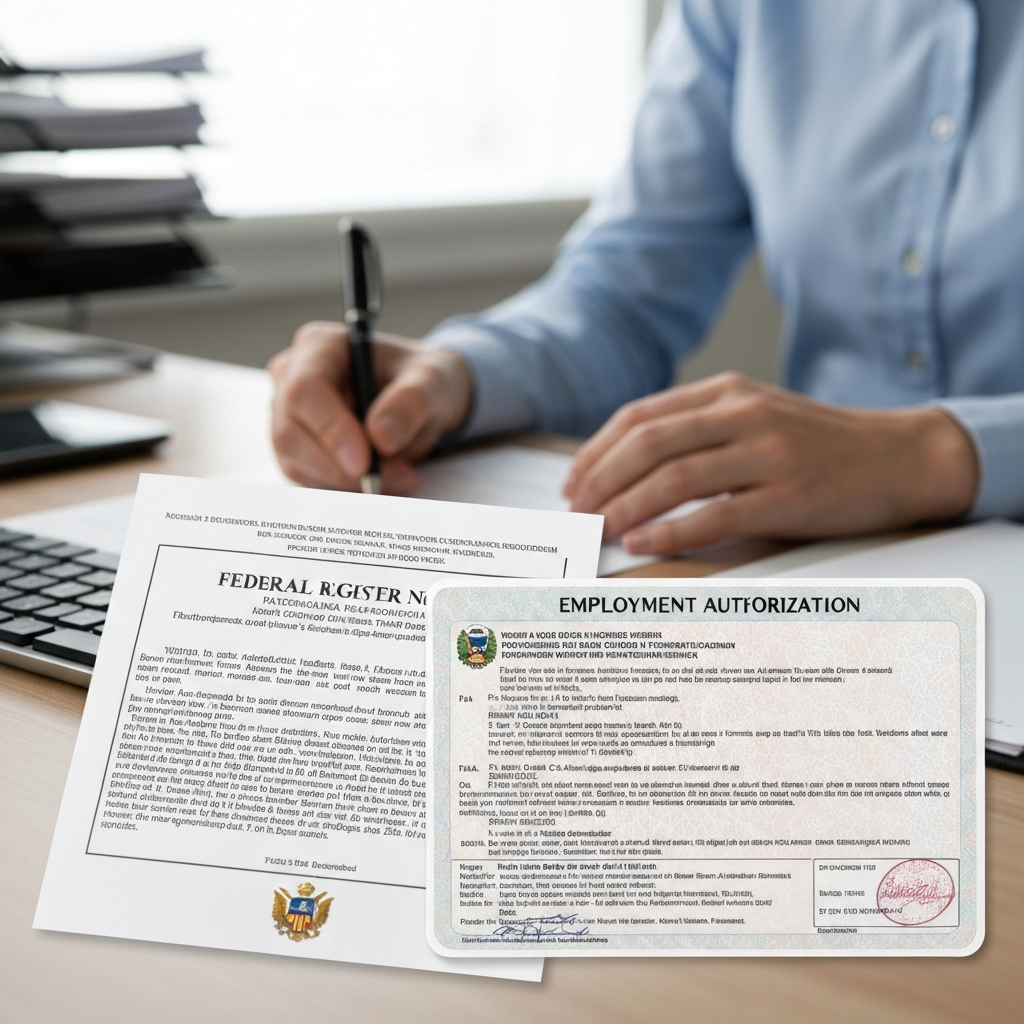
Beyond protection from removal, the ability to work legally is the most impactful part of this policy. The recent announcement includes operational streamlining to ensure that Employment Authorization Documents are processed efficiently. For many who are already in the program, work permits will be automatically extended. This prevents lapses in employment that can cause financial instability for families and disrupt the businesses that rely on these workers.
Reports from the Associated Press highlight that these work permits are essential for integrating migrants into the local economy. With legal authorization, Haitian nationals can move out of the shadows and into formal employment sectors where they are protected by labor laws. This transition from unauthorized to legally employable is a cornerstone of the administration’s current approach to immigration, focusing on self-sufficiency and economic contribution rather than dependency on social services.
What does this mean for U.S. employers?
Businesses across the United States, particularly in sectors facing labor shortages such as healthcare, construction, and hospitality, stand to benefit from this influx of authorized workers. Many employers have struggled to fill positions, and the sudden availability of a large, legal workforce provides much-needed relief. By allowing Haitian nationals to work, the government is effectively addressing domestic labor needs while simultaneously fulfilling its humanitarian obligations.
Analysis from the New York Times has noted that this shift helps integrate migrants who have already been living in various cities across the country. As these individuals gain the legal right to work, they contribute to the tax base and local economies. This is particularly relevant in cities with large Haitian populations, such as Miami, New York, and Boston, where local leaders have expressed relief that a legal pathway to employment will reduce the burden on municipal social programs.
How does this policy fit with other legal pathways?
The TPS redesignation does not exist in a vacuum; it works in tandem with other programs like the parole processes for specific regional groups. While those parole programs allow a set number of people to enter the country legally each month, the TPS redesignation ensures that those who are already here have a more stable and long-term legal foothold while the crisis in Haiti persists. This provides a clear, documented status for those who entered through various formal channels.
Legal experts often refer to the American Immigration Council fact sheet to understand how these various programs overlap. By creating a comprehensive framework of orderly and lawful pathways, the government aims to reduce the pressure at the border. This multifaceted approach encourages individuals to seek legal status through established channels rather than attempting unauthorized entries, which is a key goal of the current administration’s regional migration strategy.

What are the legal foundations of this decision?
The authority to grant TPS is found in Section 244 of the Immigration and Nationality Act. This law gives the Secretary of Homeland Security the power to designate a country based on specific criteria. Furthermore, the Federal Register notice provides the official legal documentation for the redesignation, outlining the effective dates and the registration periods for applicants. These regulations ensure that the program is implemented within a strict legal framework, providing clarity for both the applicants and the agencies involved.
Modernizing the filing system is also a priority for immigration officials. The goal is to move toward a digital-first processing model to reduce wait times for work authorizations. By using online platforms for official forms, the government hopes to issue documents in weeks rather than months. This administrative focus on efficiency is crucial for the success of such a large-scale expansion, ensuring that the legal protections promised are delivered in a timely and effective manner for all eligible applicants.
Navigating your path to a stable future
The expansion of Temporary Protected Status for Haiti represents a profound moment of hope and opportunity for hundreds of thousands of individuals. It is a clear recognition of the hardships faced by the Haitian people and a commitment to providing a safe harbor during a time of extreme crisis. This policy shift acknowledges the human reality of displacement and offers a structured, legal way for families to remain together in safety while contributing to the nation that has welcomed them.
At Zava Immigration Law, we understand that these policy changes can be complex and overwhelming, but they also offer a vital chance to secure your future in the United States. We are here to guide you through every step of the application process, ensuring that you can access the benefits you deserve with confidence. If you or a loved one are eligible for these new protections, we encourage you to reach out to our team in Phoenix for expert legal assistance. Let us help you turn this new legal development into a lasting foundation for your life and career.
Sources and official resources
- official announcement from the Department of Homeland SecurityOfficial source
- updated guidance from U.S. Citizenship and Immigration ServicesOfficial source
- Reports from the Associated Press
- the New York Times
- EOIR: Learn About Immigration CourtOfficial source
- USCIS Policy ManualOfficial source

Jessica Anleu (formerly Jessica Lewis) is an experienced immigration lawyer in Phoenix with a decade of immigration experience.
All Posts