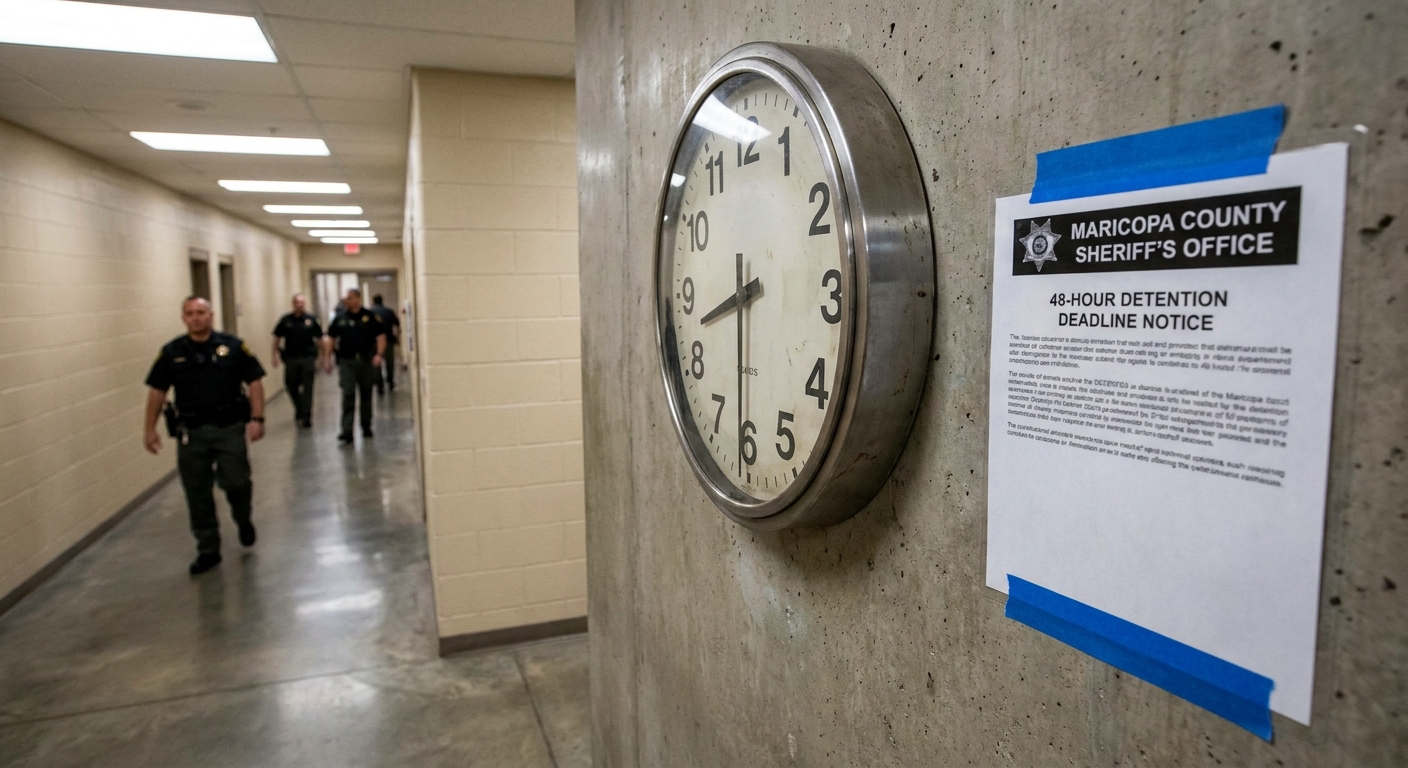

State Department Pauses Global Immigrant Visa Interviews
Table of contents
Estimated reading time: 5 minutes
The U.S. Department of State paused all scheduled immigrant visa interview appointments worldwide to conduct mandatory staff training on updated public charge screening guidelines, affecting roughly 200,000 family-sponsored and employment-based applicants waiting abroad. This sudden global suspension halts the processing of permanent residency applications for relatives and workers at embassies across the globe.
A State Department spokesperson confirmed that consular posts are rescheduling appointments while officers receive training. The official notice states that the agency initiated this global training pause on August 24, 2026, to ensure consistent enforcement of screening policies. This sudden action delays families who have spent months preparing for their final consular interviews.

Global suspension shifts from targeted freeze
The global pause began on August 24, 2026, according to the agency. It represents a major operational shift from previous visa procedures, where consular offices conducted regular case-by-case interviews. This transition occurred after a federal court decision struck down a nationality-based freeze affecting 75 countries. The sudden change has left many applicants searching for clear answers.
Now, all global immigrant visa interviews are temporarily suspended and being rescheduled. The official notice states that this global hold replaces the prior targeted approach. This transition creates new waiting periods for families who expected immediate appointment dates. Consular staff worldwide are currently preparing to implement the updated training protocols.
Federal court strikes down previous policy

The global training pause launched just days after a major legal decision. On August 21, 2026, U.S. District Judge Jeannette A. Vargas struck down a policy that froze immigrant visa processing for citizens of 75 designated countries. That previous nationality-based freeze began on January 21, 2026, and targeted nearly 40 percent of the world’s nations.
The targeted freeze focused on nations such as Brazil, Colombia, Egypt, and Iran, according to court documents. Advocates argued in court filings that the nationality-based ban bypassed required case-by-case reviews. The court agreed, ruling that the blanket policy exceeded the authority of the Secretary of State and violated federal immigration law.
The final judgment was entered on August 24, 2026, as court records show. Judge Vargas ruled that the blanket freeze violated the Immigration and Nationality Act. Specifically, the law prohibits nationality-based discrimination in visa issuance. This ruling represented a significant legal victory for immigrant advocacy organizations fighting the restrictions.
Advocates file emergency motion for enforcement
Immigrant advocacy groups argue that this global pause is an attempt to bypass the court order. On August 26, 2026, the plaintiffs in the lawsuit filed an emergency motion to enforce the judgment. The legal coalition includes the Catholic Legal Immigration Network, Inc., and other advocacy organizations representing families.
The emergency filing details reports from families showing that several consulates are still enforcing the nationality-based freeze. Advocates argued in court filings that the State Department is failing to comply with the mandate. They contend that the training pause is being used to keep restrictive measures active despite the court order.
The plaintiffs are represented by a coalition of legal groups, including Democracy Forward and the National Immigration Law Center. They are seeking an emergency status conference with the court to ensure immediate compliance. They argue that embassies must resume case-by-case processing without further delay to protect waiting families.
What this means for visa applicants
Approximately 200,000 family-sponsored and employment-based immigrant visa applicants waiting abroad are affected by this policy. Spouses, parents, children, and employment-bound workers are receiving notice that their appointments are postponed. Many applicants had already made irreversible life decisions, including resigning from jobs, booking travel, or selling homes.
Affected applicants should monitor their email and consular communications for rescheduling notices. The official notice instructs individuals to await further updates from their local embassy or consulate. It is important to stay prepared for sudden schedule changes once the training ends and offices resume normal processing.
Applicants can check updates through the official State Department visa news portal. This pause only affects immigrant visas processed at consular offices abroad. It does not affect temporary nonimmigrant visas, such as tourist or student visas, which proceed under normal operations.
Domestic applications remain unaffected
The current global suspension does not apply to individuals adjusting status inside the United States. According to the agency, those applications go through U.S. Citizenship and Immigration Services rather than embassies abroad. This distinction helps domestic applicants avoid the new consular delays and continue their adjustments normally.
Furthermore, the pause does not impact individuals applying for temporary nonimmigrant visas. Tourist and student visa interviews continue to proceed under normal schedules, a State Department spokesperson confirmed. Only permanent residency applicants undergoing consular processing face the current postponement while staff undergo the updated training.
Legal foundations of the policy dispute
The ongoing legal battle centers on specific provisions of the Immigration and Nationality Act. Specifically, Section 1152 prohibits government discrimination against immigrant visa applicants based on nationality. The court used this statute to strike down the January freeze, confirming that nationality-based restrictions are unlawful.
Additionally, the public charge ground of inadmissibility under Section 212 remains a focal point. Under U.S. immigration law, public charge assessments must evaluate each applicant individually. This evaluation considers the applicant’s age, health, family status, assets, and education to determine self-sufficiency.
Advocates argued in court filings that the previous blanket freeze violated these legal requirements. The court agreed and vacated the policy under the Administrative Procedure Act. The State Department must now show how its new training complies with these strict statutory standards.
Resumption timeline remains unannounced
As of August 26, 2026, the State Department has not announced an official end date for the training pause. No clear resumption timeline exists for rescheduled interviews, according to the agency. Consular offices continue to issue postponement notices to waiting families as training commences.
The agency states that consular staff require comprehensive training to enforce updated public charge screening standards consistently. Legal experts suggest that the duration of the pause depends on court actions. Families must prepare for continued separation while the legal process unfolds in federal court.
Our team at Zava Immigration Law Group is monitoring these fast-moving events. We assist families in navigating consular processing challenges in Phoenix, Arizona, and across the country. You can learn more about our services on our Phoenix immigration services page.

Seeking guidance on consular processing delays
Navigating sudden shifts in immigration policy can bring stress to families awaiting reunion. While this global pause delays scheduled interviews, staying informed helps you prepare for the resumption of services. Our team remains committed to helping families understand these complex administrative changes.
Our team at Zava Immigration Law Group is here to support you through each step of your immigration journey. We invite you to reach out to our firm for guidance on your consular processing path as we navigate these evolving policies together.
Sources and official resources
- State Department visa news portalOfficial source
- USCIS: Immigration Options for VictimsOfficial source
- USCIS Policy ManualOfficial source
Jessica Anleu (formerly Jessica Lewis) is an experienced immigration lawyer in Phoenix with a decade of immigration experience.
All Posts