Shocking immigration crackdown after the National Guard shooting reshapes asylum and visa rules nationwide
Table of contents
Estimated reading time: 5 minutes
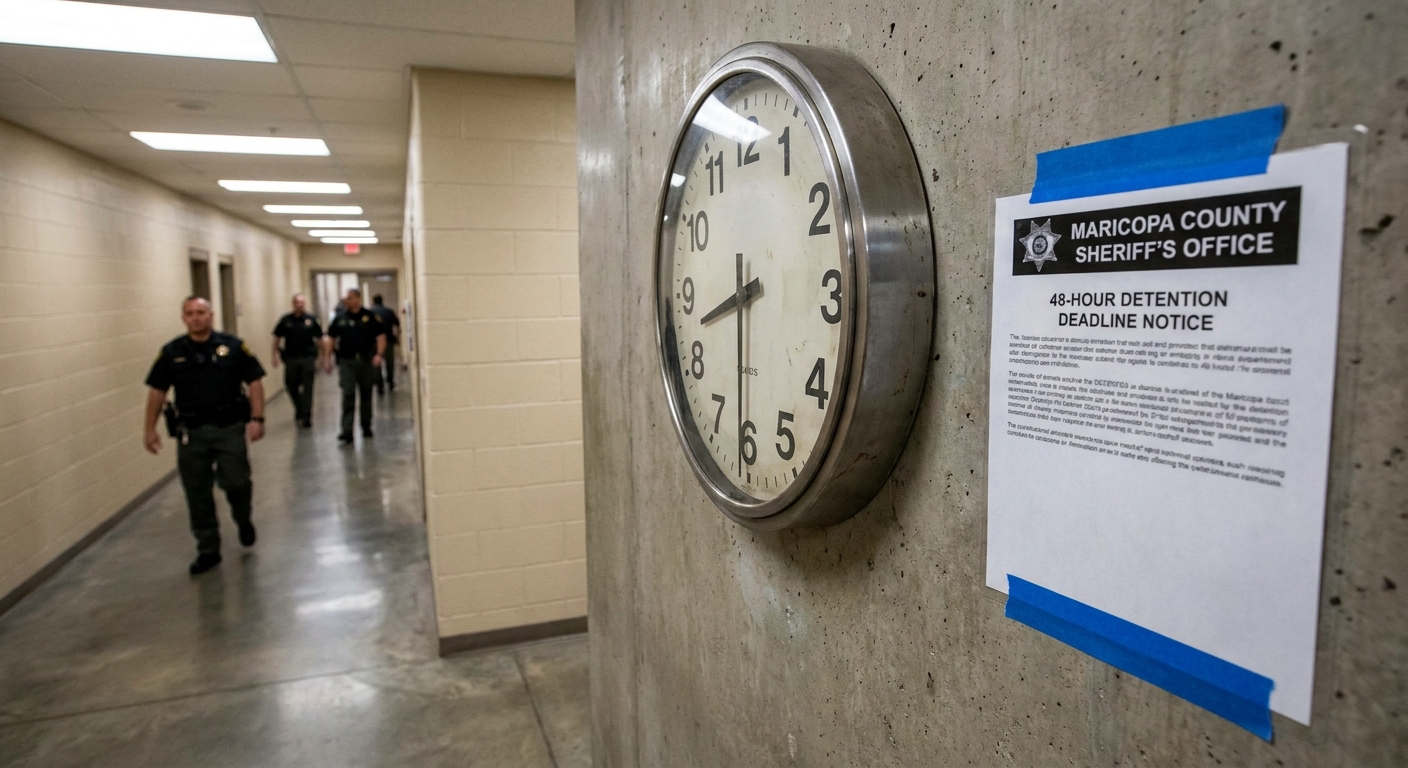
USCIS halted all asylum adjudications nationwide and paused certain immigration benefits for nationals of 19 designated “high‑risk” countries following a high-profile attack that prompted a broad security review. New agency memos also shorten work‑authorization validity periods, order reexaminations of prior approvals, and create a centralized vetting center to tighten screening.
The moves follow expanded travel restrictions announced by the administration and affect pending asylum claims, refugee approvals, green card and naturalization-related processes, and work permits. These actions mark a significant shift in how legal pathways will be reviewed and processed going forward.

What happened and who is affected?
The principal actions come from USCIS policy memos that stop asylum adjudications for all nationalities and pause benefit applications for nationals of 19 named countries. Officials cite national security concerns tied to a recent attack and an evolving “threat landscape.” The American Immigration Lawyers Association covers the agency memos and the scope of paused processes in detail.
What changes did USCIS and the administration announce?
USCIS issued Policy Memo PM-602-0192 halting asylum adjudications and directing reexaminations of approvals granted since January 20, 2021. Policy Alert PA-2025-27 shortens maximum Employment Authorization Document (EAD) validity to 18 months for refugees, asylees, asylum applicants, parolees, TPS-holders, and adjustment applicants for filings on or after December 5.

The administration also expanded a Presidential Proclamation that suspends immigrant and some nonimmigrant entries from a large set of countries, and the Department of State paused visa issuance for certain passport holders in country‑specific guidance. USCIS announced a new centralized Vetting Center in Atlanta to consolidate enhanced screening, and EOIR took steps to allow public‑health considerations as security bars under a corrected rule.
Why does the government say these steps were necessary?
Officials frame the measures as responses to an immediate security threat and say centralized vetting and shorter document validity give the government flexibility to react to changing intelligence. USCIS has instructed adjudicators to weigh country‑specific risk information more heavily, and the Vetting Center is intended to expedite threat assessments and interagency coordination.
How will these measures affect pending cases and beneficiaries?
Immediate consequences include paused adjudication of all pending asylum claims and halted processing of green card and naturalization‑related benefits for nationals of the 19 flagged countries. Hundreds of thousands of pending cases may face delays. Reports indicate roughly 200,000 refugees approved under the prior administration could be subject to reinterviews or further vetting.
Shortened EAD validity increases the frequency of renewals and raises the risk of employment gaps if processing slows. For refugees, asylees, TPS holders, and parolees who rely on steady work authorization, tighter timelines and backlogs could create practical hardships for families and employers alike.
What should travelers and nonimmigrant visa holders expect?
The expanded proclamation suspends entry for many categories including certain B‑1/B‑2 and F, M, J visa applicants from specified countries, with some carved‑out exceptions. University international offices have advised nationals of impacted countries to avoid international travel unless essential, noting that Customs and Border Protection officers retain significant discretion at ports of entry.
Those holding valid visas should confirm entry rules before traveling and consult official State Department guidance. The University of Michigan and Yale international offices have published advisories outlining travel risks tied to the proclamation’s scope and implementation.
What legal avenues and immediate steps are available to affected people?
Individuals with pending matters should contact experienced counsel promptly to evaluate case‑specific options, document status, and filing timelines. Legal representatives can request case updates, assemble identity and security documentation, and prepare for potential reinterviews. Organizations and legal advocates are already assessing administrative and litigation responses to protect statutory rights and access to relief.
Those from impacted countries should avoid international travel when possible, maintain careful records of work authorization and immigration filings, and follow agency notices. Freedom‑of‑Information requests or motions to compel in adjudicatory contexts may be tools used by counsel depending on how policies are applied.
Where do we go from here?
The urgent message is that legal pathways have been materially narrowed and that adjudication timelines will lengthen as new vetting and review procedures take effect. Affected applicants should preserve documentation, avoid nonessential travel, and seek legal advice about potential reinterviews or notices from USCIS or the Department of State. For employers and institutions, prepare for personnel and enrollment disruptions linked to EAD timing.
How Zava Immigration Law can help?
The core takeaway is that these policy shifts have immediate procedural and practical consequences for asylum seekers, refugees, and nationals of designated countries. We recommend proactive counsel review of pending cases and careful preparation for additional vetting or interviews. If you need assistance interpreting these directives, preparing filings, or responding to agency notices, contact a licensed immigration attorney to discuss tailored next steps and protect your options.
Sources: Analysis draws on reporting and policy summaries from the American Immigration Lawyers Association, Yale OISS guidance, and the University of Michigan international office. See the AILA coverage for detailed memo citations, Yale OISS for proclamation guidance, and the University of Michigan notice for institutional advisories.
Sources and official resources
- USCIS: AsylumOfficial source
- EOIR: Learn About Immigration CourtOfficial source

Jessica Anleu (formerly Jessica Lewis) is an experienced immigration lawyer in Phoenix with a decade of immigration experience.
All Posts