Massive North Carolina immigration raids spark fear as 200+ arrests unfold in Charlotte and Raleigh
Table of contents
Estimated reading time: 6 minutes
Federal immigration agents arrested more than 200 people in Charlotte this past weekend as part of a stepped-up enforcement operation the administration described as a priority to remove undocumented immigrants. The operations quickly expanded to Raleigh and prompted announced deployments of additional federal personnel to other southern states, producing arrests, protests, and business closures in affected communities.
The raids have triggered a sharp local backlash, with city and county officials, advocacy groups, and business owners raising concerns about civil rights, public safety, and economic disruption. Local leaders describe widespread fear among immigrant families and say many detainees had no criminal records, while federal officials say the actions target people with prior deportation orders or pending removal cases.
Federal sweeps escalate in North Carolina
Federal immigration teams carried out coordinated enforcement actions in Charlotte and then Raleigh, executing multiple arrests and workplace checks. Reporting compiled by major outlets and aggregated coverage shows the operation was ordered at the federal level and scaled quickly, affecting neighborhoods, churches, and small businesses. Coverage and eyewitness video are compiled by outlets including Democracy Now! and America’s Voice, which documented the rapid mobilization and community response.
How many arrests and who was targeted?
Local reporting and national summaries indicate more than 200 arrests in Charlotte during initial actions, with a significant share of those detained reportedly lacking prior criminal convictions. Federal statements framed the operations as focused on individuals with prior deportation orders or pending removal proceedings, while advocacy groups contend that many targeted people posed no public-safety threat. Additional arrests were reported in Raleigh as agents widened their activity footprint.

Why are agents expanding regionally?
Officials announced plans to deploy supplemental federal personnel to nearby states, with agents being sent to Louisiana and operations described as planned in Mississippi. The expansion signals a regional approach intended to concentrate resources where federal leadership perceives high enforcement needs. Critics argue the strategy prioritizes rapid removals over due process and undermines local trust in public institutions, while federal officials say the deployments restore enforcement capacity.
What legal questions are raised?
The scale and methods of these sweeps have prompted legal concerns about due process and the constitutional limits on federal action inside local jurisdictions. Local leaders referenced the separation of federal and state roles and asked how federal authority is being exercised in neighborhoods and workplaces. Courts are already reviewing other immigration-related legal matters, and advocates say these operations may invite new litigation over civil rights and procedural fairness.
How are communities and businesses affected?
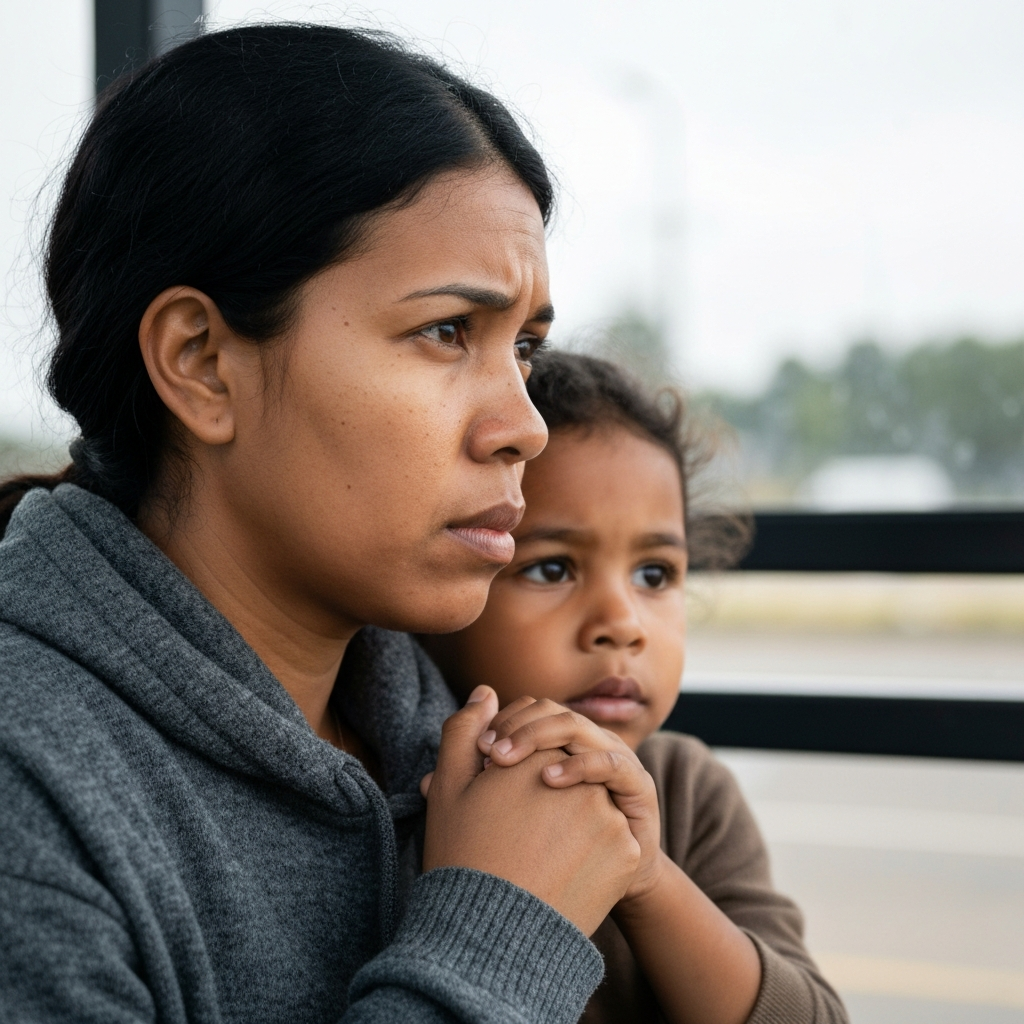
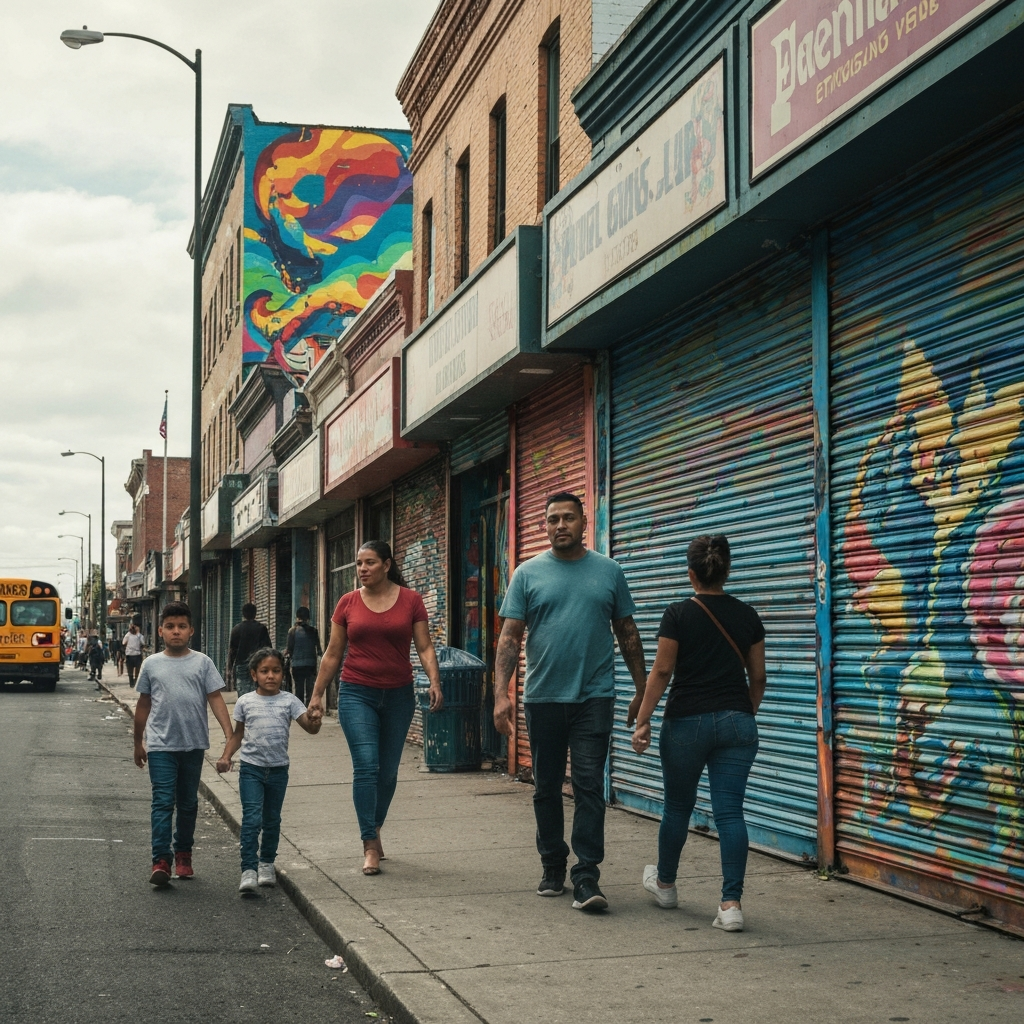
Families described keeping children home from school and limiting daily travel out of fear. Several immigrant-owned businesses temporarily closed after customers and staff stayed away. Media coverage captured personal stories, including a business owner who recently became a naturalized citizen deciding to close temporarily for safety. The economic ripple includes lost revenue for small enterprises and broader community strain as customers avoid affected areas.
How have local officials responded?
City and county officials in Mecklenburg County publicly criticized the operations, distinguishing local law enforcement roles from federal immigration enforcement and saying the raids damaged community trust. Elected leaders and law enforcement officials expressed concern about tactics and collateral harm, and some said they are exploring legal and policy options to protect residents and preserve local public-safety cooperation.
What has the public reaction been?
Protests and public demonstrations occurred in Raleigh and other locations, with community groups, faith leaders, and advocates calling for restraint and protection of immigrant families. Social media amplified video of federal agents in neighborhoods and businesses, contributing to both activism and widespread anxiety. Public sentiment is sharply divided: some support strict enforcement, while many in affected cities express fear and demand accountability for tactics used.
How are advocacy groups and legal aid responding?
Immigration advocates mobilized to provide legal assistance, document arrests, and support families of detainees. Groups arranged know-your-rights outreach and organized protests, while legal organizations began tracking cases for potential civil-rights litigation. Advocates emphasize the importance of preserving evidence, documenting encounters, and connecting detainees with counsel to ensure procedural protections are observed.
Next steps for affected families?
People in impacted communities should know basic rights during immigration encounters: remain calm, do not sign documents without legal counsel, and request to speak with an attorney. Preserve identity and immigration documents, note details of any interaction, and contact a trusted immigration lawyer quickly. If you need guidance on immediate steps or representation, consider reaching out to legal aid organizations or a qualified immigration attorney for case-specific advice and support.
What this means for the broader immigration landscape?
The recent North Carolina operations illustrate a federal shift toward localized, high-intensity enforcement in selected cities and regions. The approach raises questions about the balance between immigration control and community stability, the interaction between federal directives and local governance, and legal limits on rapid, large-scale sweeps. How courts and local leaders respond will shape enforcement practices and community relations going forward.
Next steps and closing thoughts
These enforcement actions have immediate consequences for families, schools, and small businesses, and they pose longer-term questions about civil rights and intergovernmental cooperation. If you or someone you know is affected, document encounters, seek legal advice promptly, and use established channels to request information or assistance. For personalized help navigating available protections and representation options, contact a qualified immigration attorney to discuss next steps tailored to your situation.
Sources used in coverage: reporting compiled by Democracy Now! (video report), America’s Voice (news roundup), and PBS NewsHour coverage (interview and local reporting).
Sources and official resources
- news roundup
- USCIS Policy ManualOfficial source
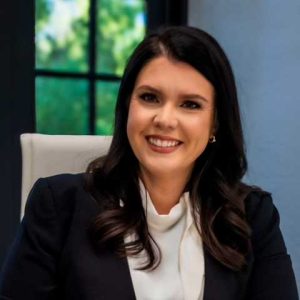
Jessica Anleu (formerly Jessica Lewis) is an experienced immigration lawyer in Phoenix with a decade of immigration experience.
All Posts