

Massive healthcare win for Dreamers as federal rule expands Affordable Care Act access
Table of contents
Estimated reading time: 8 minutes
The federal government has finalized a rule that significantly expands healthcare eligibility for DACA recipients, marking a major turning point in federal immigration and health policy. This landmark decision officially redefines the term lawfully present to include individuals protected under the Deferred Action for Childhood Arrivals program, granting approximately 100,000 previously uninsured individuals access to subsidized plans. By opening the Affordable Care Act marketplaces to Dreamers, the federal government is addressing a long-standing gap in healthcare coverage for a population that contributes heavily to the national economy.
Previously, DACA recipients were excluded from federal health subsidies despite having work authorization and social security numbers. This exclusion often forced many young immigrants to rely on emergency room services or forego necessary medical care entirely. The new policy aims to foster greater health equity and financial stability among immigrant communities by ensuring that those who work and pay taxes have the same opportunities to secure insurance. This shift represents a significant effort to integrate DACA recipients more fully into the American social safety net, as highlighted by the HHS Finalizes Rule to Expand Access to Health Coverage for DACA Recipients.

What is the significance of the new healthcare rule for DACA recipients?
The finalized federal expansion of healthcare eligibility is the most significant positive immigration-related development in recent months. Executed through a Department of Health and Human Services final rule, this policy change grants tens of thousands of young immigrants access to subsidized health insurance through the Affordable Care Act marketplaces. This development is particularly vital for those who have spent years in a state of legal uncertainty, contributing to their communities without the safety net of reliable health insurance.
By redefining the criteria for being lawfully present, the government has removed a barrier that has stood for over a decade. This move is seen as a strategic effort to bolster the DACA program and provide tangible benefits to individuals who arrived in the country as children. It acknowledges their presence as a permanent and valuable part of the labor force, deserving of the same protections and access to medical care as other residents in similar economic situations.
The shift is also expected to have a profound impact on public health. When large segments of the population are uninsured, they often delay seeking care for chronic conditions, leading to more severe health issues and higher costs for the system later. Providing access to preventative services ensures that Dreamers can maintain their health and continue contributing to the economy, as noted in the DACA Recipients to Gain Access to Affordable Care Act report.
Why were DACA recipients previously excluded from the Affordable Care Act?
Since the inception of the DACA program, its recipients have occupied a unique and often confusing legal space. While the program granted temporary protection from deportation and the ability to work legally, it did not automatically confer the status required for many federal benefit programs. Specifically, DACA recipients were excluded from the definition used to determine eligibility for the Affordable Care Act when it was first implemented, leaving them without access to the federal marketplace.
This exclusion meant that even if a DACA recipient lived below the poverty line or had a low-to-middle income, they could not qualify for premium tax credits. These credits are essential for making insurance affordable for the average resident. Without them, many Dreamers found private insurance plans to be prohibitively expensive. This left them reliant on employer-sponsored insurance, which is not always available, or paying out-of-pocket for every medical visit.
The push to change this policy gained momentum as healthcare advocates and economic experts argued that the exclusion was both unfair and economically inefficient. They pointed out that Dreamers pay billions in taxes every year, yet they were being denied the very services those taxes help fund. The administrative process to correct this took over a year, involving extensive public feedback and technical review to ensure the new rule would be robust and legally sound.
How does the new definition of lawfully present work?
The core of this policy change lies in the administrative reinterpretation of what it means to be lawfully present. Under the new rule, the Department of Health and Human Services has updated its regulations to include DACA recipients within this category for the purpose of health insurance eligibility. This change is documented in the Clarifying Eligibility for the Affordable Care Act and Medicaid Programs (89 FR 35651), which serves as the official legal basis for the expansion.
This redefinition allows DACA recipients to qualify for both the insurance marketplaces and, in some cases, certain state-level Medicaid programs. By aligning the definition of lawful presence with the realities of the DACA program, the government has simplified the application process for thousands of individuals. It removes the previous contradiction where an individual was legally allowed to work and live in the country but was considered ineligible for the standard health insurance system.
State agencies and insurance navigators are currently undergoing the logistical task of updating their systems to reflect this change. In states with high populations of DACA recipients, such as California and New York, officials have already begun integrating this new definition into their state-run health portals. This ensures that when the enrollment period begins, the transition will be as seamless as possible for those looking to secure coverage for the upcoming year.
When can Dreamers begin enrolling in health plans?
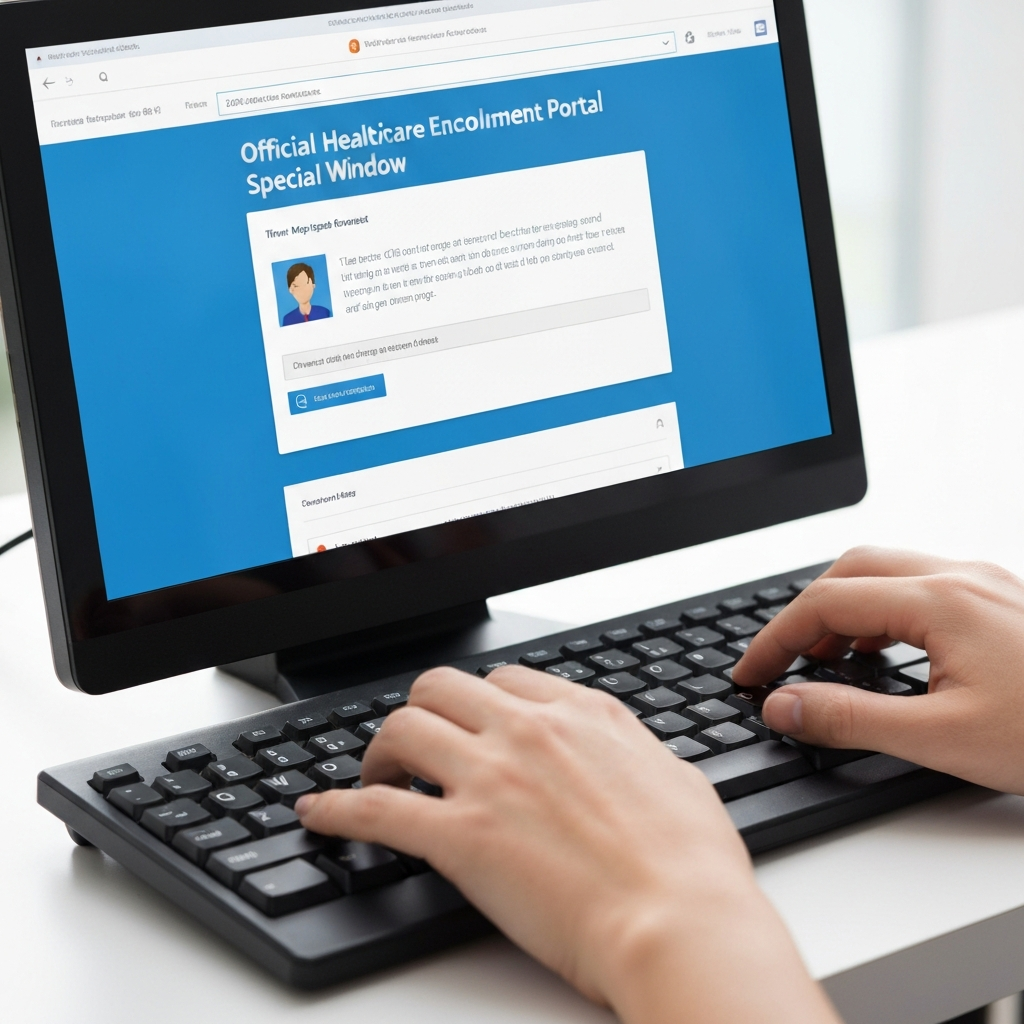
The official implementation window has been solidified, allowing for a clear timeline for those seeking coverage. DACA recipients will be eligible for a Special Enrollment Period that typically aligns with the traditional Open Enrollment Period. This window is crucial for ensuring that individuals can receive coverage that begins at the start of the next calendar year. The Fact Sheet: Eligibility for ACA Health Programs for DACA Recipients provides detailed guidance on how this process will unfold.
Technical guidance has been issued to both state-based exchanges and the federally-facilitated marketplace. These updates are designed to recognize DACA recipients automatically during the application process, preventing the delays and denials that were common in the past. Agencies are working to ensure that the system can process subsidies and tax credits accurately, making the enrollment experience similar to that of any other eligible applicant.
For those who are currently uninsured, this timeline offers a clear path toward financial security. Having a confirmed date for enrollment allows families to plan their finances and medical needs. Healthcare providers are also preparing for this influx of new patients, anticipating a shift from providing emergency care to managed, primary care. This transition is expected to improve the financial health of hospitals that previously absorbed the costs of treating uninsured patients.
What are the economic and social benefits of this policy?
Beyond the immediate health benefits for individuals, this policy expansion offers significant economic advantages. According to budgetary projections, the cost of expanding subsidies will be partially offset by a reduction in uncompensated care costs at the state and local levels. When more people have insurance, the burden on safety-net hospitals and emergency rooms decreases, as chronic conditions are managed through less expensive primary care settings.
The economic impact is also felt in the workforce. Healthy workers are more productive and less likely to take extended leaves of absence due to preventable illnesses. Since DACA recipients are a vital part of many industries, ensuring their access to healthcare supports the stability of the labor market. The US expands health insurance access to DACA immigrant Dreamers report emphasizes that this move is a step toward greater economic integration for a group that has long been sidelined.
Socially, the rule change has been celebrated by advocacy groups as a historic victory for immigrant rights. Organizations like the National Immigration Law Center (NILC.org) have noted that for too long, Dreamers were excluded from a system they helped fund. The new policy corrects this injustice and provides a sense of belonging and security to thousands of young people who consider the United States their only home.
Are there ongoing legal risks to this healthcare expansion?
While the final rule is a major step forward, it does not exist in a vacuum. The broader legal status of the DACA program remains a subject of intense litigation in federal courts. Cases such as Texas v. United States continue to challenge the legality of the original 2012 DACA memorandum. If a future court ruling were to end the DACA program entirely, the eligibility for healthcare benefits conferred by this new rule could theoretically be impacted.
Despite these legal shadows, the administration has moved forward with implementation, citing the immediate need for healthcare access. Critics have characterized the move as an overreach of executive authority, and some state officials have voiced concerns over the fiscal impact on state-funded subsidies. However, no legal stay has been issued to stop the rollout of the health insurance expansion, as reported by the Biden administration to allow Dreamers to enroll in Obamacare.

Empowering the Dreamer community through health and stability
This expansion of healthcare access is more than just a policy update; it is a recognition of the dignity and contributions of the Dreamer community. By ensuring that DACA recipients can visit a doctor, manage their health, and protect their families from medical debt, the federal government is fostering a stronger and more resilient society. We understand that navigating the intersection of immigration status and federal benefits can be daunting, but this development offers a clear opportunity for a healthier future. At Zava Immigration Law, we are committed to helping you understand your rights and achieving your goals in this evolving legal landscape. If you have questions about how these changes affect your status or need assistance with your immigration journey, contact us today for expert guidance tailored to your unique story.
Sources and official resources
- HHS Finalizes Rule to Expand Access to Health Coverage for DACA RecipientsOfficial source
- DACA Recipients to Gain Access to Affordable Care Act
- Clarifying Eligibility for the Affordable Care Act and Medicaid Programs (89 FR 35651)Official source
- Fact Sheet: Eligibility for ACA Health Programs for DACA RecipientsOfficial source
- USCIS Policy ManualOfficial source

Jessica Anleu (formerly Jessica Lewis) is an experienced immigration lawyer in Phoenix with a decade of immigration experience.
All Posts

