
Maine ICE crackdown ends: why the halt could reshape local life and national immigration policy
Table of contents
Estimated reading time: 6 minutes
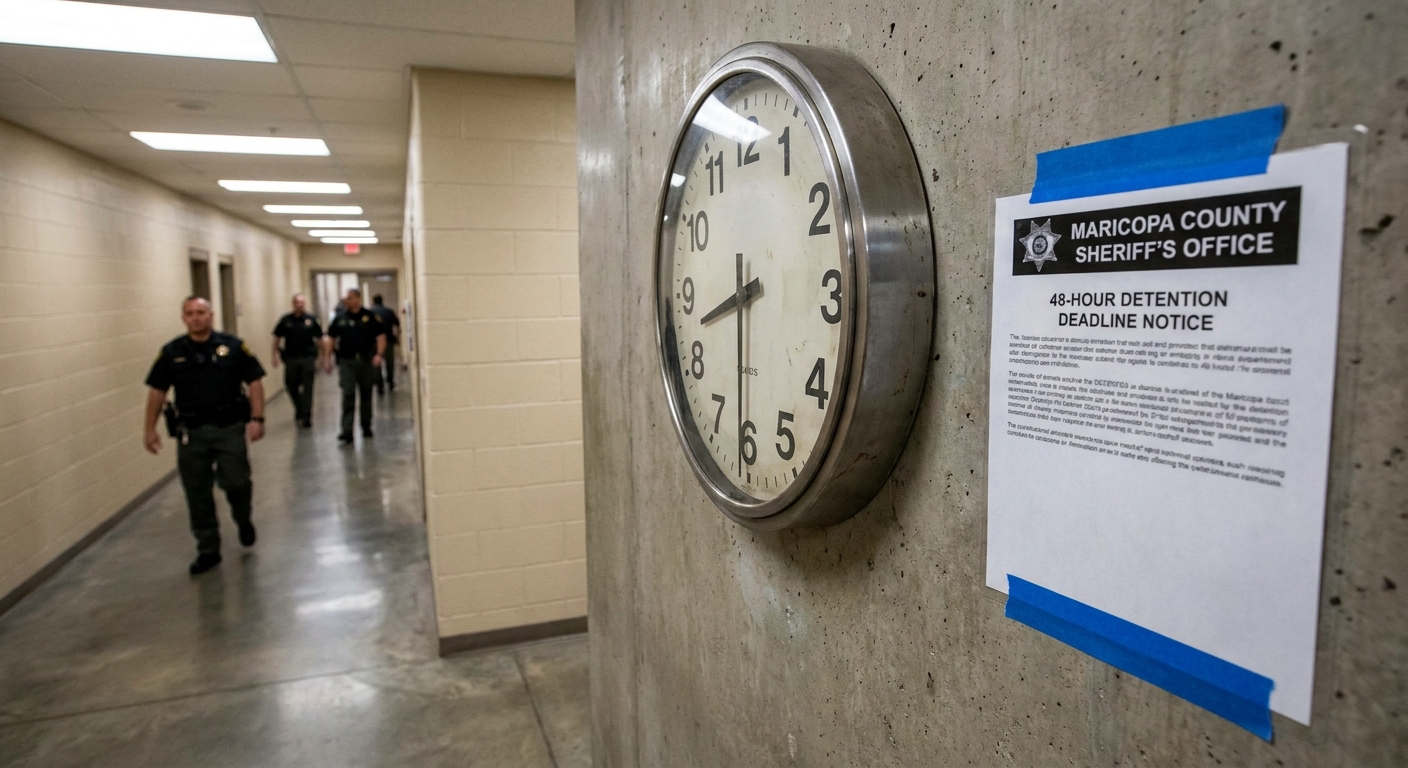
ICE has halted its large-scale “Catch of the Day” operation in Maine, federal and congressional sources say, marking an abrupt rollback of a weeklong surge of arrests that had targeted roughly 1,400 people. The announcement, delivered by Sen. Susan Collins, frames the change as a shift back to a long-standing pattern of routine enforcement rather than high-volume raids.
The decision eases immediate fears among Maine’s small immigrant communities and reduces pressure on rural local services, while leaving broader federal immigration policies — including asylum processing pauses and visa limits — unchanged. The pause answers local demands for transparency but leaves unresolved questions about future enforcement priorities and legal protections.

What happened in Maine?
Federal immigration authorities stopped the recent surge known as the “Catch of the Day,” which had involved coordinated arrests in multiple locations across the state. Officials reported that the operation had earlier aimed at a large group of targets and produced several dozen arrests on its opening day. The move ended the enhanced activity and returned agencies to the routine enforcement levels that had been standard for years.
Why does this matter to local communities?
The halt reduces immediate fear among Maine’s immigrant population, which is a small share of the state’s residents. Rural towns and local agencies had reported strain from the sudden spike in enforcement activity, including concerns about family separations and logistical burdens on detention systems. Restoring ordinary operations should ease those stresses, at least temporarily.

Who issued the announcement and what did officials say?
Sen. Susan Collins publicly announced that ICE and Border Patrol would stop the surge and resume normal operations, characterizing the shift as a return to long-standing enforcement patterns. Gov. Janet Mills had previously demanded judicial warrants and detailed arrest information, citing Fourth Amendment concerns, while Rep. Chellie Pingree warned the pause does not erase an ongoing pattern of aggressive detentions. Further commentary and the formal announcement were reported by ABC News.
How large was the operation and who was targeted?
Public reporting indicated the operation had operational targets in the ballpark of 1,400 individuals, with about 50 arrests reported on the first day. Those targeted likely included a mix of people with varying immigration statuses; local leaders had expressed fear that the sweep could ensnare people with pending cases or valid documents, fueling calls for transparency on warrants and detainee status.
Does the halt change national immigration policy?
The pause in the Maine operation appears to be a localized de-escalation rather than a change in national posture. Federal shifts earlier this year — including restrictions on certain visa issuances and temporary pauses in asylum processing — remain in effect and continue to shape enforcement priorities. For broader policy context, see the State Department’s visa bulletin and recent federal guidance on asylum and processing changes.
What legal and constitutional issues are raised?
State officials pressed for judicial warrants and real-time data on arrests, highlighting concerns about Fourth Amendment protections against unreasonable searches and seizures. While routine enforcement has long included arrests in the community, large-scale, rapid surges raise questions about proportionality, targeting criteria and due process for noncitizens with pending claims. Legal scrutiny and possible oversight requests are consistent with prior calls for accountability.
What did lawmakers and advocates say?
Responses were mixed: some leaders welcomed the halt as a de-escalation that protects local communities, while others warned that removing the surge does not reverse broader, aggressive enforcement patterns. Rep. Chellie Pingree emphasized that a pause does not equal a return to prior norms. Local immigrant advocates described relief but stressed vigilance given national policy trends that continue to restrict asylum and visa pathways.
How should people in Maine and beyond respond?
If you or a family member may be affected by immigration enforcement, prioritize legal counsel and documentation. Know your rights during encounters with federal agents, ask for warrants, and seek immediate legal assistance if detained. Community organizations and legal clinics often provide emergency support and referrals; documented legal representation can improve outcomes for people with pending cases or valid immigration status.
What does this mean for future enforcement in other states?
The Maine pause suggests federal authorities may calibrate operations in response to political pressure, local conditions and high-profile incidents elsewhere. However, national directives and resource allocations still influence priorities, so other regions could see surges or de-escalations depending on evolving national strategy and congressional funding decisions. Vigilant local oversight and prompt legal advocacy remain important safeguards.
What are the key takeaways and what should readers do next?
The end of the surge in Maine restores regular enforcement levels, offering immediate relief to immigrant communities and reducing operational strain on rural areas, but it does not eliminate ongoing national policy restrictions or legal risks. For anyone concerned about enforcement or immigration status, consult reliable legal counsel promptly. For personalized guidance and next steps, Zava Immigration Law can review your situation and explain options clearly and confidentially.
Sources and official resources
- EOIR: Learn About Immigration CourtOfficial source
- USCIS Policy ManualOfficial source

Jessica Anleu (formerly Jessica Lewis) is an experienced immigration lawyer in Phoenix with a decade of immigration experience.
All Posts