
Immigration crackdown slows U.S. population growth to 0.5%, Census data show
Table of contents
Reading time: 6 minutes
The U.S. Census Bureau released 2025 population estimates showing the national growth rate fell to 0.5% in 2025, a steep decline from nearly 1% the year before. The drop reflects a fall in net international migration, with immigration contributing about 1.3 million people in 2025 versus 2.8 million the prior year, according to media summaries of the Census release.
The figures capture a transition from higher migration-driven growth to a sharper enforcement posture under the current administration. Census officials and analysts connect the change to stepped-up interior enforcement and altered counting baselines, raising implications for communities, agencies, and public funding tied to population totals.

Census estimates summarize the shift
The Census estimates put the U.S. population at nearly 342 million and show the growth rate halved to 0.5%. These numbers reflect population change from mid-2024 to mid-2025 and incorporate methodological changes used earlier that increased 2024 totals. For reporting and context, see coverage from News4Jax and OPB, which explain how migration trends and counting updates shaped the year-over-year contrast.
Did enforcement drive the decline?
Analysts and officials point to heightened enforcement as a central factor. Since the administration prioritized interior removals, arrests and removals rose in numerous jurisdictions. News reporting and ICE-related tracking note substantial increases in activity that coincide with the Census period, suggesting policy implementation began reducing net inflows during the window measured by the estimates.

Where did enforcement intensify and what tactics emerged?
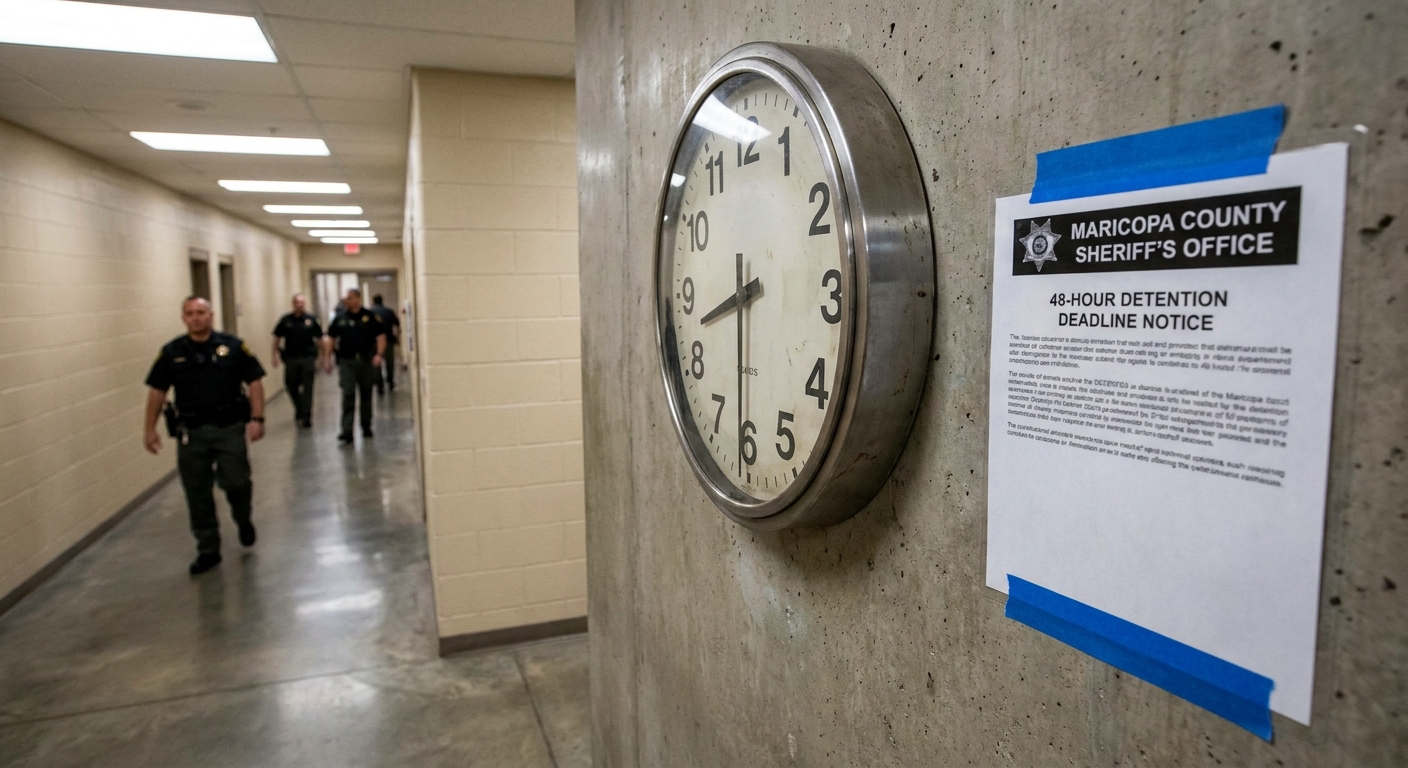
Early enforcement surges were documented in cities such as Los Angeles and Portland, later spreading to Chicago, New Orleans, Memphis, and Minneapolis. Local reporting from North Texas described tactics including short-notice summons, late-night check-in notices, and arrests at routine appointments. Observers say these practices have made formerly routine compliance events riskier for migrants who expected noncustodial interactions.
How big were the enforcement numbers?
Independent trackers and local reporting highlight high volumes of enforcement activity. UC Berkeley’s Deportation Data Project and regional coverage report tens of thousands of arrests in the first half of the enforcement period, with a substantial share concentrated in Texas. These figures correspond with the Census data showing immigration’s contribution to population growth largely diminished compared with the prior year.
What does this mean for migrants and legal procedures?
Routine check-ins and administrative appointments can now carry detention risk, according to attorneys and advocates. Legal representatives advise clients to prepare for more intensive questioning and the possibility of immediate custody. Advocacy groups warn that short notice and off-hour tactics leave little time to consult counsel, increasing the likelihood of missed legal options and hurried decision-making under pressure.
What are the demographic and fiscal consequences?
Lower net migration affects congressional apportionment, federal funding allocations, and local planning. Population shifts inform distribution of approximately $2.8 trillion in federal funds; reduced growth can change resource formulas and long-term planning. Demographically, migration had accounted for the bulk of recent growth, so declines accentuate the effects of low birth rates and domestic out-migration in certain regions.
How reliable are the estimates and what delayed the release?
The Census Bureau notes the estimates draw on administrative records and established methods, but reporting was affected by staffing reductions and operational constraints that delayed publication. A reported workforce reduction and previous funding decisions contributed to timing issues. Analysts caution that estimates capture broad trends rather than legally categorized flows and do not separate lawful from unauthorized movement in public summaries.
How are stakeholders responding?
Local advocates and legal organizations are adjusting advice and outreach tactics as enforcement patterns change. Civil rights groups and community leaders emphasize preparedness and monitoring of agency practices. Cities and hospitals that previously saw population growth tied to migration are evaluating workforce and service implications. At the federal level, officials assert the changes reflect policy priorities and operational focus on removals and interior enforcement.

What this means for families, employers, and communities?
The Census figures offer a clear signal: stricter enforcement reduced net migration and slowed national growth, with concrete effects on families, employers, and public budgets. For individuals at risk of enforcement, the current environment underscores the importance of legal planning and representation. If you or a loved one faces interactions with immigration authorities, contact a qualified immigration lawyer to review options and prepare for routine appointments or unexpected notices. Zava Immigration Law can assess your case and help you take timely steps to protect rights and stay informed.
Sources and official resources
- USCIS Policy ManualOfficial source

Jessica Anleu (formerly Jessica Lewis) is an experienced immigration lawyer in Phoenix with a decade of immigration experience.
All Posts