How a Delaware immigrant advocate’s State of the Union invitation shines a light on local resistance to federal immigration crackdowns
Table of contents
Estimated reading time: 6 minutes
Senator Lisa Blunt Rochester invited Maria Mesias-Tatnall, a Delaware immigrant-rights advocate, to the President’s State of the Union address to highlight local efforts that aided a detained U visa applicant and to draw attention to what advocates call a pattern of aggressive enforcement. The invitation put a Delaware rescue story into a national forum as federal immigration actions have intensified and legal fights over protections such as Temporary Protected Status (TPS) unfold.
The visit illustrates how state and community actors respond when federal enforcement detains people with temporary protections. It also underscored political and legal tensions: advocates in Delaware warn families are skipping medical appointments and school programs out of fear, while senators press the Department of Homeland Security on TPS decisions affecting hundreds of thousands.

What happened and who was involved?
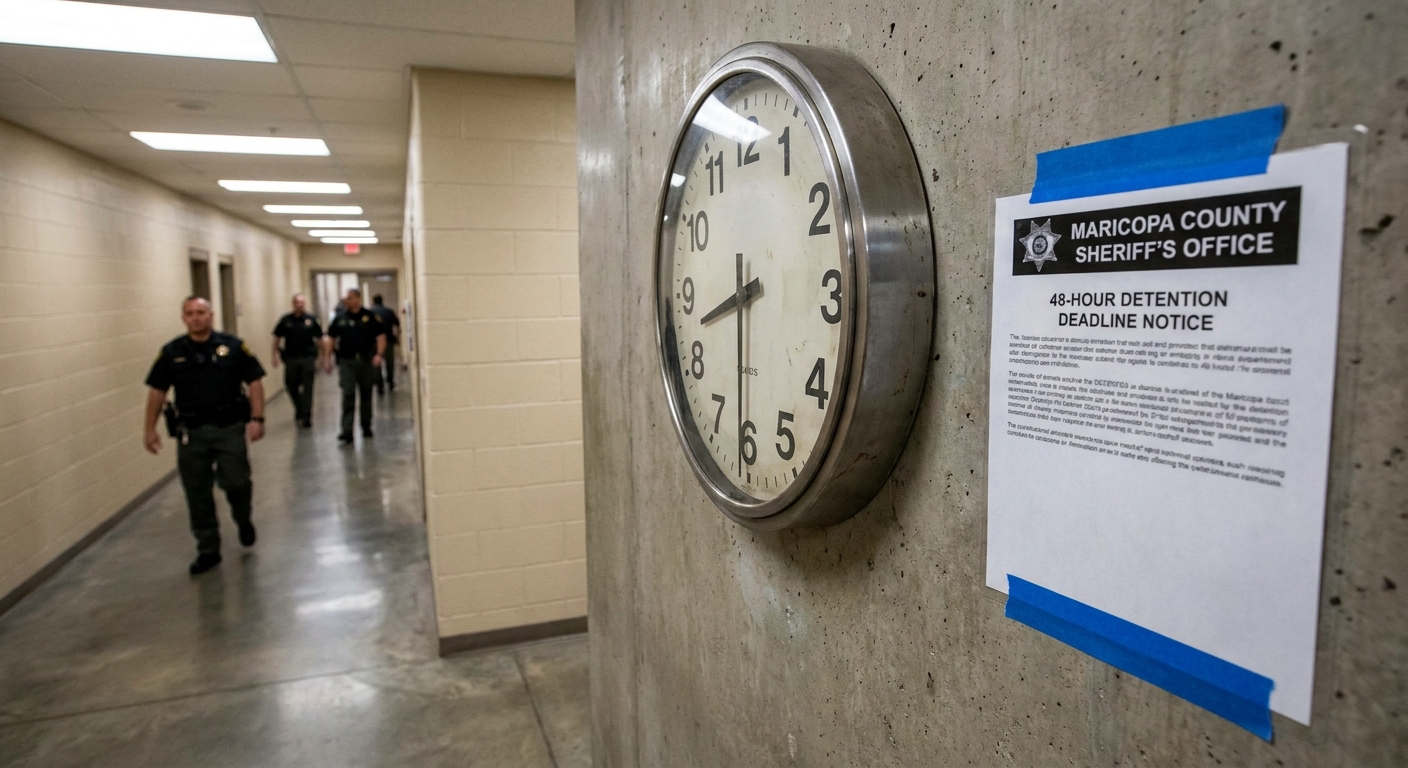
Senator Blunt Rochester brought Maria Mesias-Tatnall, director of outreach services at the Delaware Attorney General’s immigration assistance program, as her guest to the State of the Union to spotlight local advocacy amid stepped-up enforcement. Local reporting details how Mesias-Tatnall intervened after Immigration and Customs Enforcement (ICE) agents arrested “Isabela,” a domestic-violence survivor and U visa applicant, during a search targeting someone else.
Why does this matter for immigrants in Delaware?
The arrest exemplifies what advocates say are collateral detentions: individuals with deferred-action or victim-based protections getting picked up during broader operations. Community leaders told the senator’s office that many residents now avoid public services and school programs out of fear. Coverage in Delaware frames the invitation as a message that local rescue and advocacy efforts matter amid federal enforcement shifts.

How was Isabela rescued and what role did local offices play?
According to local reporting, Mesias-Tatnall flew to a detention facility in Louisiana after Isabela had been moved from Delaware to out-of-state custody. The Delaware Attorney General’s Office and Community Legal Aid Society negotiated the release, and Mesias-Tatnall escorted Isabela home. After release, the family relocated and children received therapy, emphasizing the long-term support needs following detention.
What federal policies and legal issues are in play?
The case sits against a broader federal crackdown that, advocates say, increased ICE arrests and raised risks for people with temporary protections. The Department of Homeland Security announced a directive terminating TPS for Haitian nationals, a move that would affect roughly 330,000 people before a federal judge temporarily blocked the termination; that ruling is heading toward higher-court review. Those developments have prompted Senators to press DHS for reversals and clarification.
How do visa rules and the visa bulletin relate to this moment?
Broader visa-law context matters even if not central to the detention story. The State Department’s visa bulletin explains annual numerical limits and per-country caps that shape family- and employment-based immigration pathways. While those bulletin details do not change detention policy, they frame the limited legal options available to many immigrants and the administrative pressures on people seeking lawful status.
Who are the key stakeholders and what are the local impacts?
Stakeholders include the Delaware Attorney General’s Office, community legal aid groups, local immigrant leaders, and elected officials pressing DHS. The immediate impacts are practical: missed medical appointments, reduced participation in early-childhood programs, stress on families, and therapy needs for children after traumatic detentions. At the policy level, the episode highlights friction between state-level protections and federal enforcement priorities.
What are experts and officials saying?
The senator described Mesias-Tatnall as someone who “epitomizes the moment,” representing advocates who help people living in fear of enforcement. Mesias-Tatnall emphasized that outreach teams work quietly to protect people who cannot appear on camera. Independent reporting also raises questions about ICE’s operating practices and pursuit rules during local arrests that sometimes lead to unexpected detentions.

What should families and advocates consider now?
Families facing enforcement risk should document their status and maintain contact with trusted legal advocates. U visa applicants and TPS beneficiaries need current legal counsel because protections can be altered by administrative directives or court rulings. Advocates should track litigation, coordinate with state agencies, and prioritize mental-health supports for affected children. For precise guidance, individuals should consult a qualified immigration attorney about their specific circumstances.
The invitation of a local advocate to the national address made a localized rescue story visible and highlighted broader legal stakes: collateral detentions, TPS uncertainty, and community fear. Those dynamics underline the need for immediate legal support, coordinated local resources, and careful monitoring of federal actions. If you or a loved one face detention or need help understanding protections like the U visa or TPS, reach out to experienced counsel to assess options and protect rights.
Sources: reporting by Spotlight Delaware, the State Department visa bulletin, coverage on ICE practices from New Hampshire Public Radio, and analysis of federal rhetoric from WUNC.
Sources and official resources
- USCIS Policy ManualOfficial source
Jessica Anleu (formerly Jessica Lewis) is an experienced immigration lawyer in Phoenix with a decade of immigration experience.
All Posts