

DHS doubles self-deportation bonus to $2,600—what it means for immigrants and enforcement
Table of contents
Estimated reading time: 6 minutes
The Department of Homeland Security announced a temporary increase in the voluntary departure payment—commonly called the self-deportation exit bonus—raising the cash incentive offered through the CBP Home app to $2,600 and including a free flight home. The move is part of a larger enforcement package that also tightens visa issuance and screening policies.
This change affects unauthorized noncitizens who may choose voluntary departure instead of removal. It is intended to reduce enforcement costs and case backlogs while prioritizing national security concerns articulated in parallel agency guidance and travel restrictions.

What did DHS announce and who administers the offer?
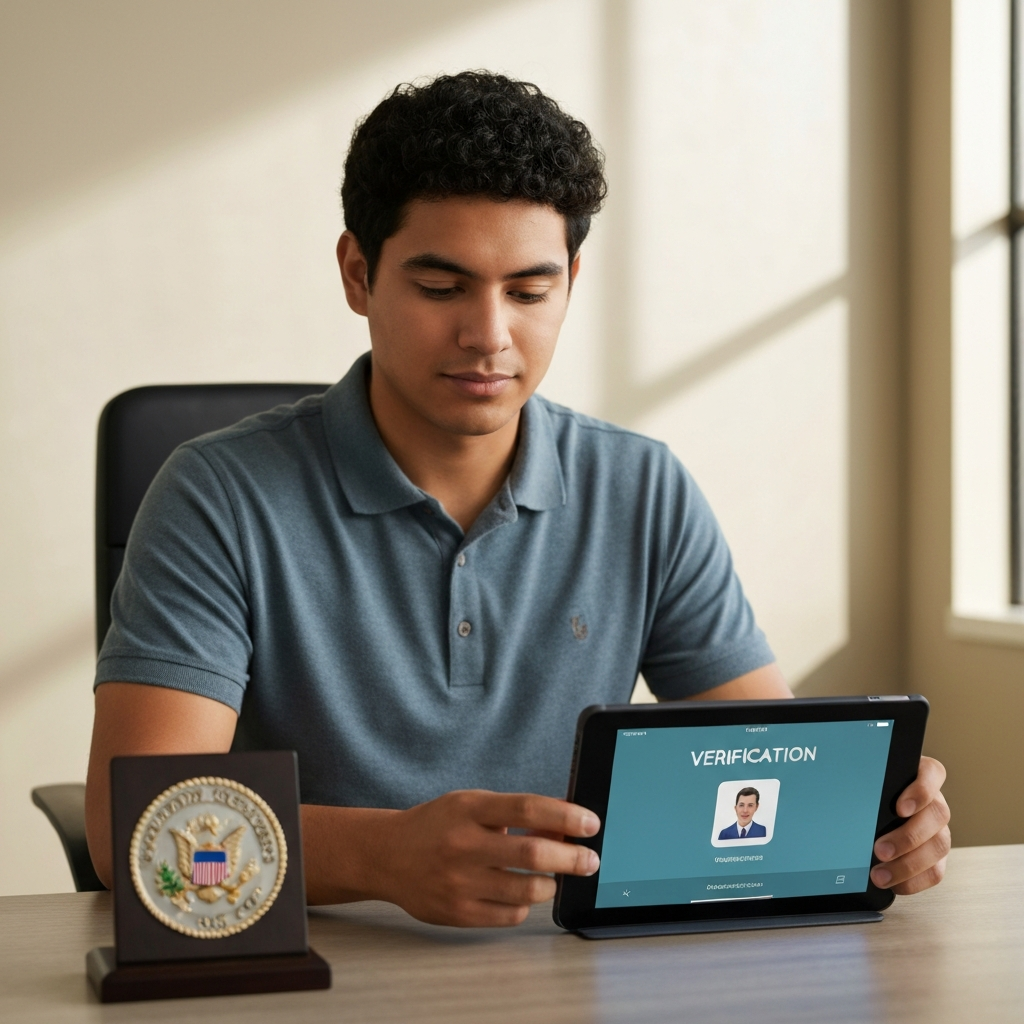
DHS expanded an existing program that pays people who voluntarily depart the United States and verifies departure through the CBP Home app. The payment increase and free return flight aim to encourage voluntary exits rather than formal removals. U.S. Customs and Border Protection manages the verification through its app while DHS sets eligibility and operational details under existing immigration law.
Why is the government using financial incentives?
Officials framed the policy as cost-saving and efficient. Forced removals typically require detention, legal processing and transportation costs that can be much higher than voluntary departure arrangements. By increasing the payment, DHS is signaling a policy preference for incentivized departures to reduce backlogs and lower per-person enforcement expenses while focusing detention resources on individuals viewed as serious threats.
Who is eligible to receive the bonus?
Eligibility generally tracks existing voluntary departure rules under the Immigration and Nationality Act that allow certain noncitizens to leave at their own expense under specified conditions. DHS has tied the bonus disbursement to confirmation through the CBP Home app, meaning applicants must meet verification steps. People with final removal orders or certain criminal or national-security bars may be ineligible.
What legal authority supports the change?
The voluntary departure framework in INA Section 240 gives the executive branch authority to permit departures without formal removal. DHS relies on that authority to offer inducements and to set administrative procedures. The announcement is framed as an executive implementation, not new legislation, and therefore is not tied to a specific congressional bill.
How does this fit with other enforcement measures?
The incentive arrives alongside tightened visa issuance and benefit-screening measures introduced by federal agencies. Separate actions include pauses or additional vetting in visa processing and guidance limiting certain benefit adjudications. Those parallel steps reflect a coordinated approach to reduce unauthorized presence while increasing scrutiny on admissions and benefit claims.
What are the practical implications for individuals and communities?
For individuals, the payment plus flight may remove financial barriers to departing voluntarily. But uptake may be limited by trust concerns about verification, fear of future reentry bars, and uncertainty about immigration records. Communities and employers could see quicker case closures and workforce impacts if voluntary departures increase; local officials and advocates warn about family separations and coercive effects when departures are incentivized by enforcement pressure.
Are there privacy or procedural concerns with using an app?
Requiring the CBP Home app for verification raises questions about data use, device access and digital literacy. People without smartphones or with limited trust in government apps may be unable to participate, making the program less accessible. Advocates also point to possible coercion if individuals feel pressured to surrender rights to avoid detention or prolonged litigation.
Could this policy face legal or political challenges?
The policy is an executive administrative action grounded in existing statutory authority, which narrows immediate litigation avenues. Still, civil-rights groups may challenge operational aspects—such as due-process protections, conditions attached to payments, or discriminatory implementation. Political pushback is also expected from local officials and advocacy organizations opposing enforcement-first approaches.
What have stakeholders said about the change?
Reactions vary. Federal officials emphasize efficiency and prioritizing serious threats. Some advocacy groups describe the approach as coercive and harmful to families. Legal analysts connect the bonus to a broader enforcement posture including visa pauses and benefit holds. Local governments and service providers have raised operational and humanitarian concerns about expedited departures without adequate support.
How should eligible individuals evaluate the offer?
Anyone approached with an exit offer should verify eligibility, understand immigration consequences (including possible bars to reentry), and get legal advice before accepting payment or signing agreements. Voluntary departure can avoid a removal order but still may have long-term immigration implications. Access to counsel can clarify risks and alternative avenues for relief or legal status.

What should you do next?
Consider this a policy shift worth careful review rather than an immediate solution. If you or a loved one are contacted about the exit bonus, evaluate eligibility, documentation, and future immigration options with counsel. At Zava Immigration Law we provide direct guidance on voluntary departure consequences, reentry risks, and potential relief pathways; reach out for a confidential consultation to review your case and preserve your rights.
Sources: reporting and analysis from legal and policy outlets and official visa guidance are available for further reading, including coverage in Cyrus D. Mehta’s update, commentary from advocacy groups, and State Department visa bulletins and announcements. For primary federal guidance, consult the U.S. Department of State’s visa notices and related CBP and DHS materials.
Sources and official resources
- EOIR: Learn About Immigration CourtOfficial source
- USCIS Policy ManualOfficial source

Jessica Anleu (formerly Jessica Lewis) is an experienced immigration lawyer in Phoenix with a decade of immigration experience.
All Posts

