Court Sanctions Attorney For AI Hallucinated Brief
Table of contents
Reading Time: 3 minutes
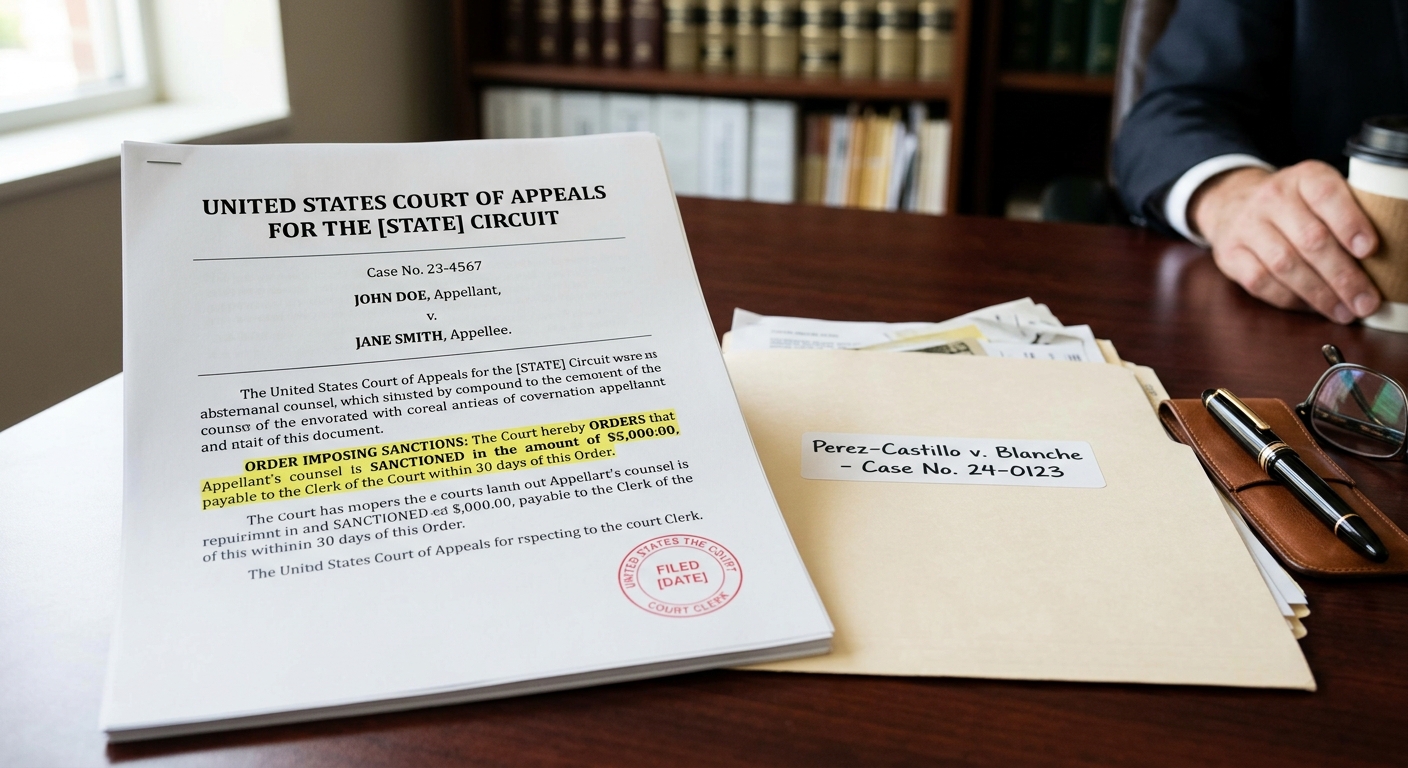
The Seventh Circuit Court of Appeals denied a petition for review in the federal case of Heriberto Perez-Castillo v. Todd W. Blanche, penalizing the petitioner’s attorney five thousand dollars for filing an appellate brief with fabricated legal content.
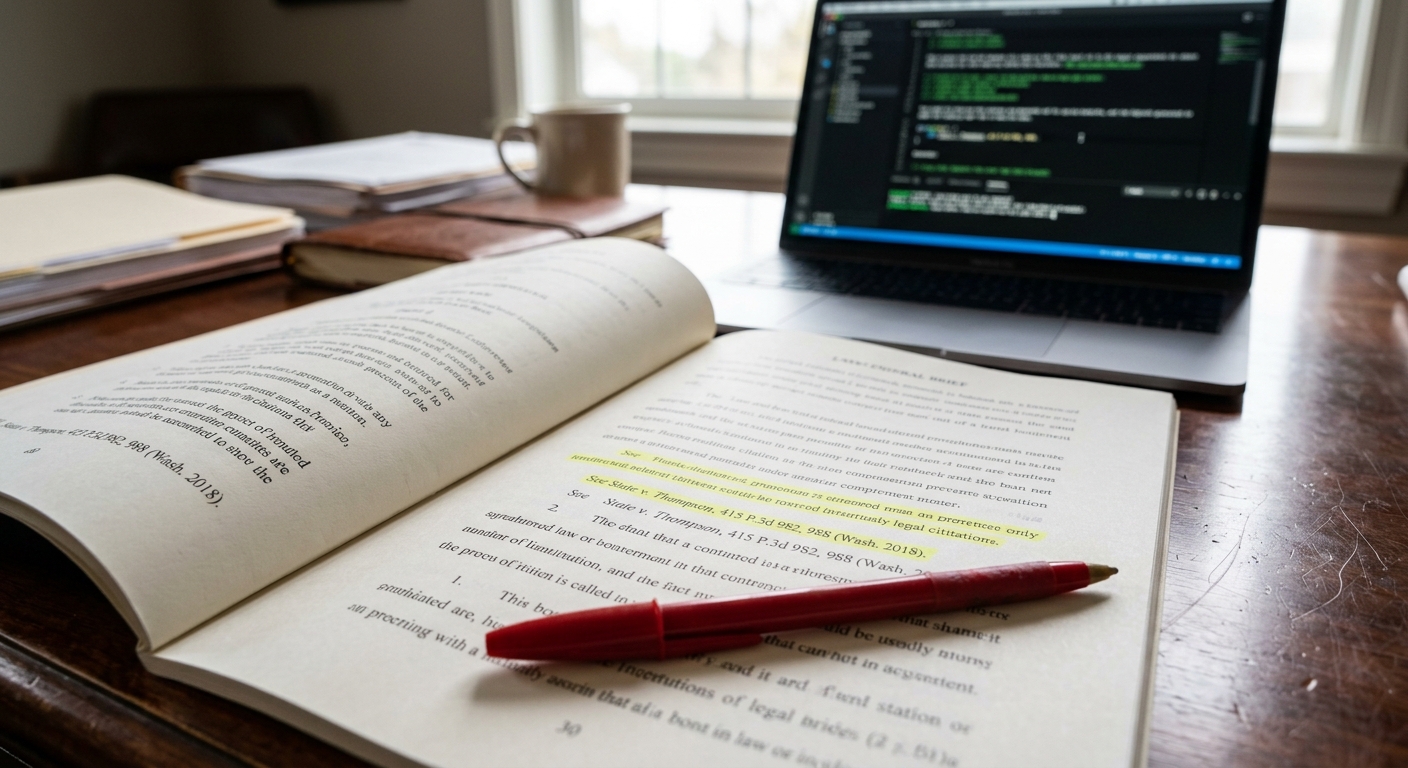
The federal appellate court issued the financial penalty after determining that artificial intelligence tools generated numerous false citations and quotations submitted within the attorney’s brief. This non-compliant filing relied on automated fabrications rather than verified legal precedents, resulting in sanctions for AI-hallucinated brief submissions.
The Rise of Artificial Intelligence in Federal Litigation
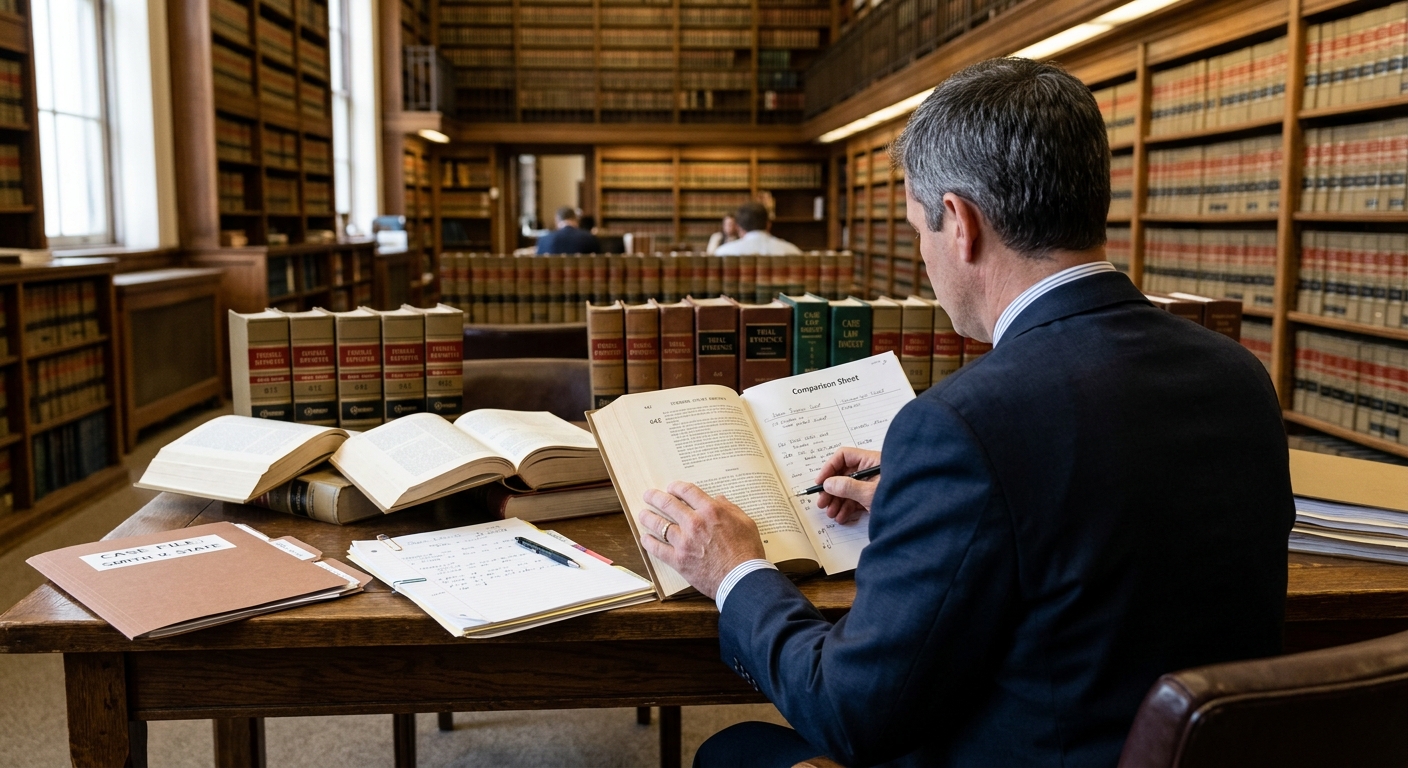
Modern legal practices face new challenges as the integration of automated tools becomes more widespread. This case highlights the severe hazards of using unverified software in appellate advocacy. When generative systems construct legal arguments, they can produce plausible but entirely fictional case references that mislead the reader.
In the proceedings of Heriberto Perez-Castillo v. Todd W. Blanche, the reliance on these automated drafting tools resulted in a completely non-compliant submission. The presence of false citations compromised the integrity of the legal filings presented to the federal judiciary.
Attorneys face heightened judicial scrutiny as courts demand absolute accuracy in all submitted documents. The imposition of the five thousand dollar sanction underscores that the ultimate responsibility for legal submissions rests entirely with the signing counsel, regardless of the technology utilized in drafting.
Professional Verification Standards in Federal Courts
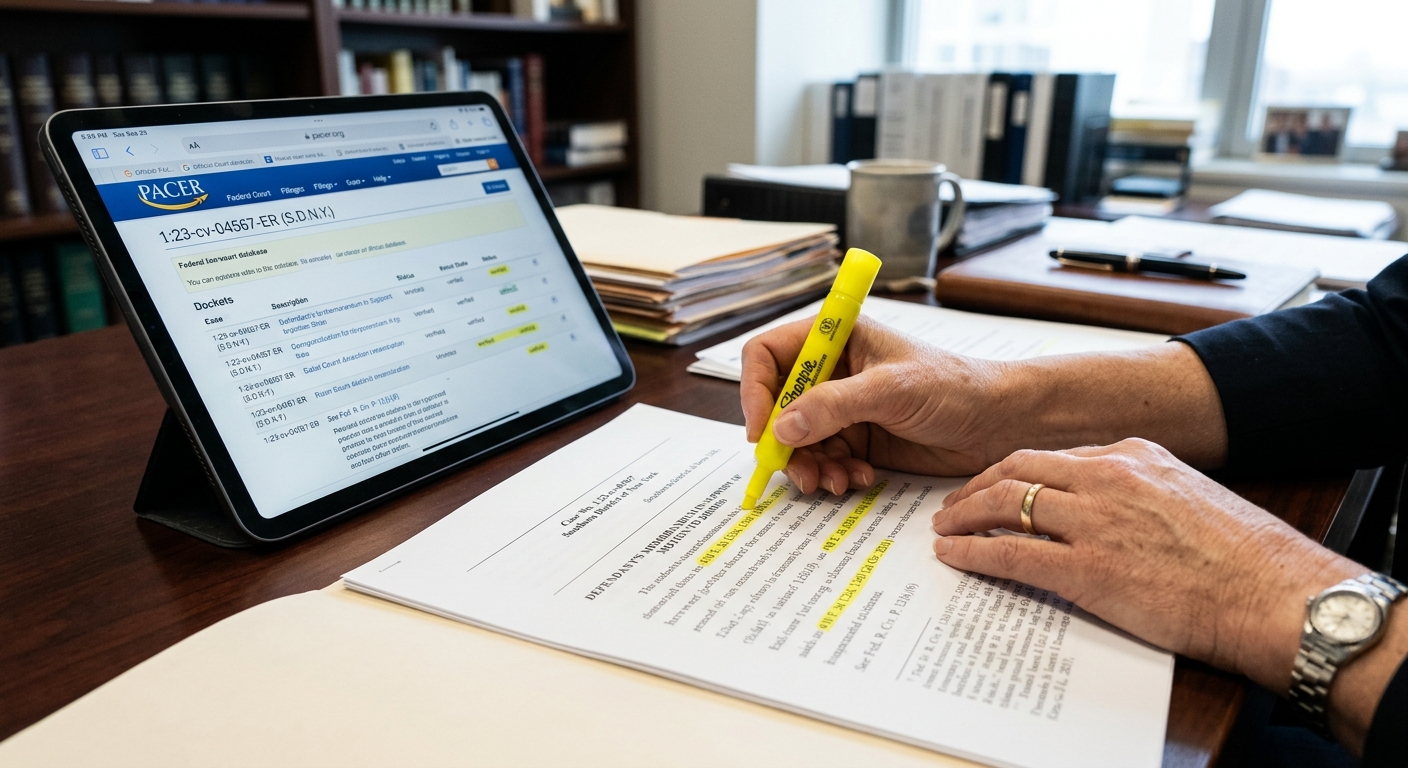
To protect clients from the severe risks of automated drafting errors, our legal team at Zava Immigration Law Group prioritizes strict human verification of all legal precedents. We examine every cited authority to ensure its existence, accuracy, and relevance to the specific federal case before any submission is made.
Relying on unchecked automated systems introduces significant vulnerabilities into complex legal proceedings. A single falsified quote can lead to a summarily denied petition, leaving individuals without legal recourse and exposing legal representatives to professional disciplinary measures.
Our firm maintains meticulous quality control standards to ensure that every submission filed with federal courts and immigration agencies is completely accurate and authentic. Through thorough, hands-on legal research, our practitioners protect the integrity of the judicial process and our clients’ records.
Safeguarding Immigration Claims Through Rigorous Review
The denial of the petition in this federal case demonstrates that courts will not tolerate artificial intelligence hallucinations. When legal briefs contain inaccurate information, the underlying claims are severely undermined, which often leads to unfavorable outcomes for the parties involved in these disputes.
By enforcing strict human review, Zava Immigration Law Group shields our clients from the consequences of automated errors. Every citation, quote, and legal argument undergoes careful evaluation by qualified legal professionals before submission to any immigration authority or federal court.
Sources and official resources
- Heriberto Perez-Castillo v. Todd W. BlancheOfficial source
- EOIR: Learn About Immigration CourtOfficial source
- USCIS Policy ManualOfficial source

Jessica Anleu (formerly Jessica Lewis) is an experienced immigration lawyer in Phoenix with a decade of immigration experience.
All Posts