
What happens if I stay in the United States illegally, and what are the potential consequences?
Table of contents
4-minute estimated reading time
Overstaying your allowed period of stay in the United States is more common than most people think, and it naturally raises serious concerns about your immigration future. Understanding what happens if you stay in the United States illegally is a critical step toward making informed decisions, as this subject is governed by specific federal laws that determine the consequences of unauthorized presence in the country.
This legal framework is highly technical and varies depending on your prior history and the conditions under which you entered the country. For those looking to evaluate their current situation or explore possible paths to regularization, our Immigration Services section provides the support you need to understand the options available based on the specifics of your case.
What happens when you lose your legal status of stay?
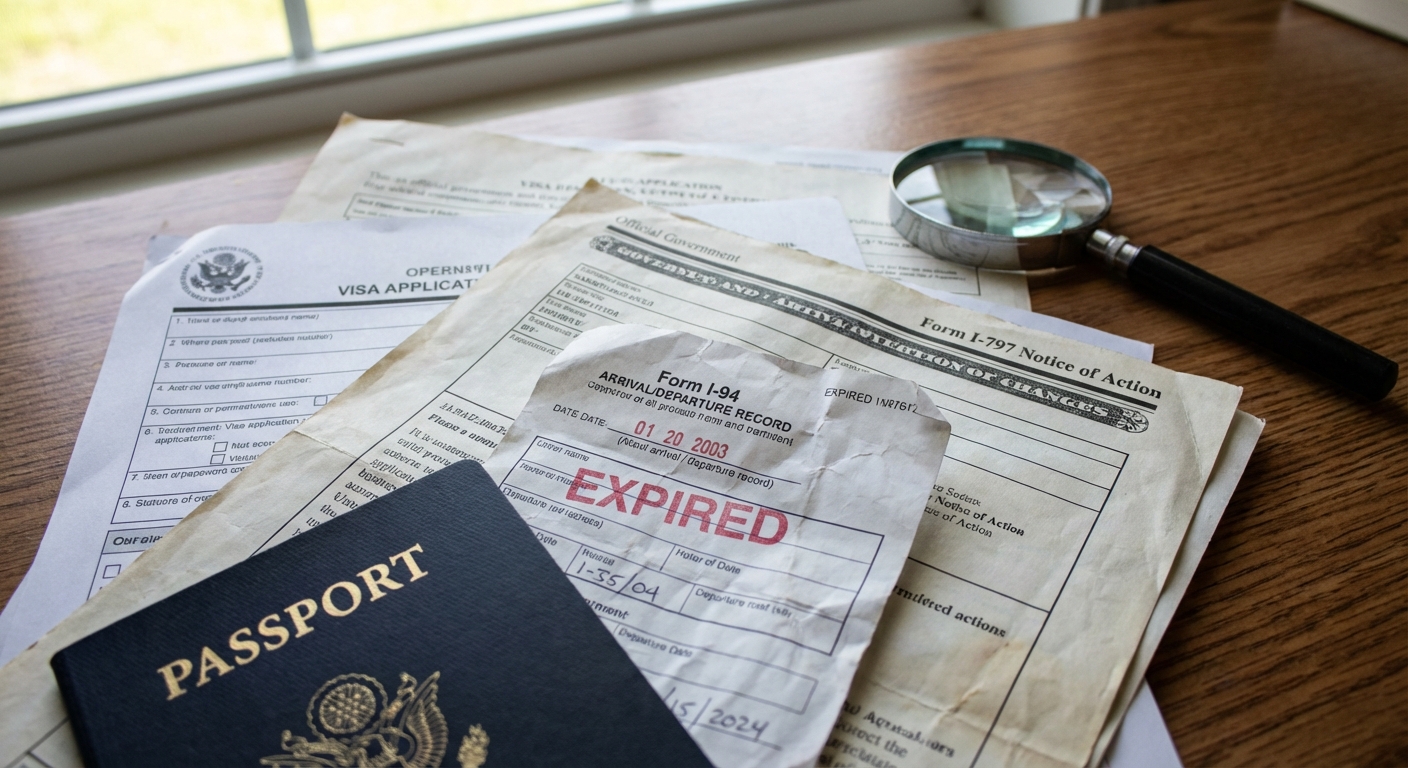
When you legally enter the country on a tourist or student visa, you are assigned an authorized period of stay that appears on Form I-94. Your unlawful presence technically begins to be counted from the first day after that authorization expires, at which point you are no longer in legal status within immigration records.
It is vital to distinguish between being out of valid status and the process of accumulating unlawful presence, a concept with direct implications in immigration law. While a minor lapse may be an administrative oversight, remaining in the country after your I-94 expires changes how immigration authorities perceive your compliance with established regulations.

How does unlawful presence impact future applications?
Accumulating time without legal status creates significant barriers for those who try to adjust their situation in the future. When filing a new petition, such as a permanent residency application, a history of remaining beyond the authorized date is often the main obstacle to obtaining a favorable outcome in adjustment of status processes.
This history can lead to a concept known as inadmissibility under Section 212(a)(9)(B) of the Immigration and Nationality Act (INA). It is important to understand that the 3-year and 10-year inadmissibility bars are not triggered simply by remaining in the country. Rather, they materialize at the moment you leave the United States after having accumulated unlawful presence. This means that the decision to leave or stay carries very different legal consequences and should be evaluated with professional guidance.
What risks does deportation pose in this situation?
Fear of deportation is understandable, though it is important to know that immigration law clearly distinguishes between administrative status and the existence of an active removal order. The federal government’s enforcement priorities typically focus on individuals with serious criminal records or those detected in situations that affect public safety.
Remaining in the country without legal status means living in a vulnerable condition during any interaction with authorities. Although most cases do not immediately proceed to a removal process, the risk exists and depends both on the enforcement priorities of the current administration and on each person’s specific circumstances at any given time.
Are there alternatives to regularize your stay?
Various avenues could allow for status regularization, though they depend strictly on the personal, family, or employment ties you can demonstrate. Not everyone qualifies for the same processes, and the viability of each legal path is contingent upon a thorough analysis of your documents and individual immigration history.
The evaluation must be conducted on a case-by-case basis, avoiding comparisons with other cases that seem similar but have different legal foundations. Consulting with an expert allows you to determine if there are immigration reliefs, waivers, or eligibility categories that can adapt to your situation, always with the goal of submitting a strong application that meets the current requirements demanded by USCIS.
Is it safe to leave the country if you have overstayed?
Deciding to leave the United States after overstaying your permitted period is a critical step that must be analyzed with the utmost caution. Under federal law, if you accumulated more than 180 days but less than one year of unlawful presence and leave the country, a 3-year bar to re-entry is triggered. If your unlawful presence exceeds one year, the bar extends to 10 years. These penalties are specifically activated at the moment of departure, not while you remain in the country.
Before considering departure, it is essential to understand that leaving does not erase the accumulated time of unlawful presence. On the contrary, it can prevent you from qualifying for benefits that would otherwise be available while you remain inside the United States. The decision to leave or stay should only be made after thoroughly evaluating the long-term legal consequences with an immigration professional.
If you need to evaluate your immigration situation or understand the options available for your case, at Zava Immigration we analyze each circumstance on a personalized basis to help you make the best possible decision.
Frequently asked questions about staying without legal status
What practical implications does overstaying your visa have on your daily life?
Overstaying your permitted stay can seriously limit your access to basic rights and services. This includes the inability to work legally, difficulties obtaining driver’s licenses in some states, restrictions on accessing certain public benefits (which vary by state and program type), and constant concern about interacting with authorities, all of which affect your stability and long-term planning.
In what situations are the 3-year and 10-year re-entry bars for unlawful presence activated?
These bars are activated when you leave the United States after accumulating unlawful presence. If you accumulated more than 180 days but less than one year and depart, you are barred from re-entry for 3 years. If your unlawful presence exceeds one year, the bar extends to 10 years. It is crucial to understand that voluntary departure does not eliminate this consequence — it materializes it. The bar period begins to run from the day of your departure.
What factors can increase the risk of a deportation order for a person without status?
The risk can increase significantly if you have a criminal record, especially for serious offenses, or if you have committed immigration fraud. Additionally, being detained for other infractions, even minor ones, can lead to a review of your immigration status. Enforcement policies also vary depending on the current administration, meaning the risk can shift based on the enforcement priorities of the moment.
What is the legal difference between having a canceled visa and being in a situation of unlawful presence?
Having a canceled visa is not the same as accumulating unlawful presence. A visa can be canceled for various administrative reasons, even before your authorized stay expires, which affects your ability to re-enter the country. However, unlawful presence is counted from the day after your Form I-94 expires, which is the document that governs your authorized stay in the United States, regardless of your visa status.
Can I apply for a work permit if I overstayed my authorized time?
Generally, if you have overstayed your authorized period and are in a situation of unlawful presence, you are not directly eligible to apply for a work permit. Most work permits (EADs) are tied to a specific immigration process that requires you to maintain legal status or qualify for an immigration relief that allows it, such as VAWA, asylum, or another protection category. It is essential to seek legal advice to explore the valid options for your particular case.
Sources and official resources
- USCIS Policy ManualOfficial source

Jessica Anleu (formerly Jessica Lewis) is an experienced immigration lawyer in Phoenix with a decade of immigration experience.
All PostsRelated Posts
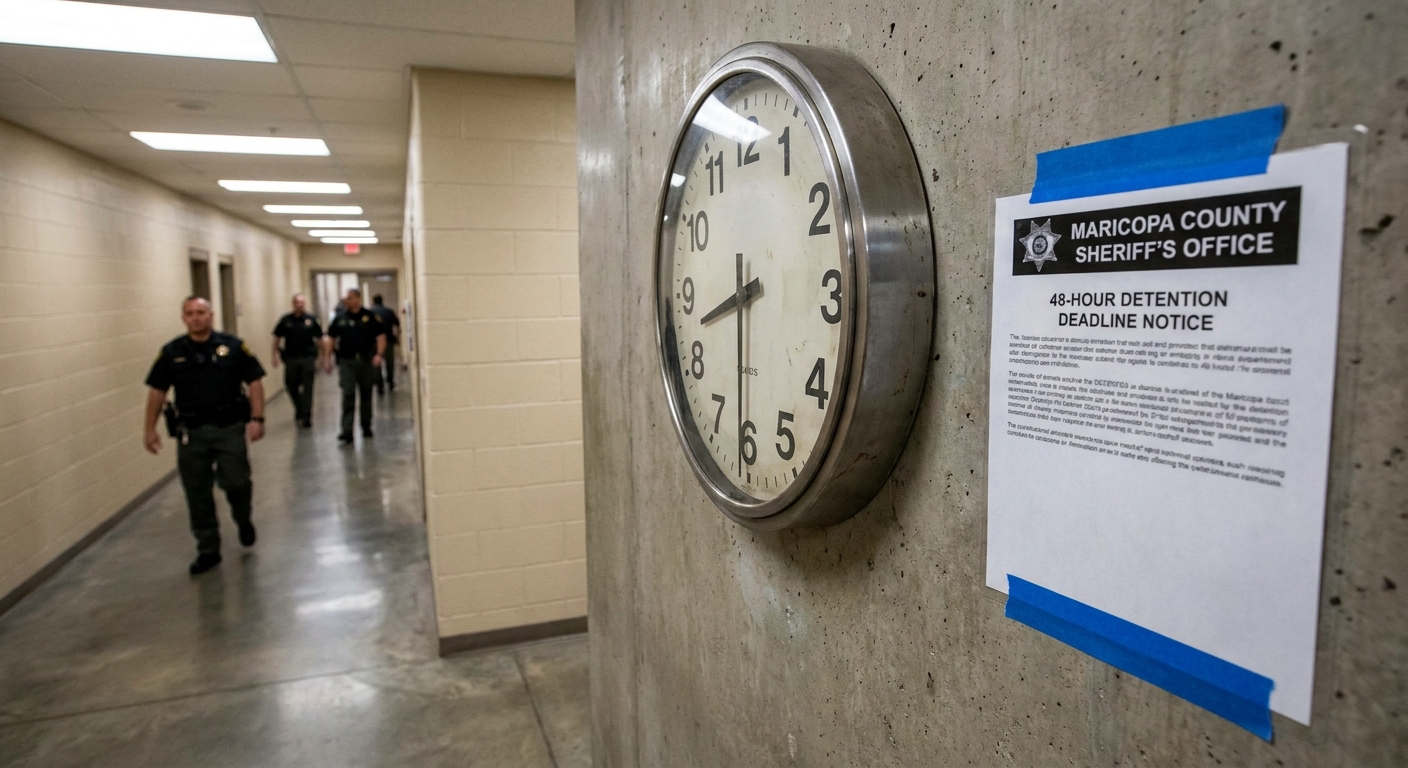
An immigration detainer and the 48 hour hold in Maricopa County
What an immigration detainer really means for a 48 hour hold in a Maricopa County jail, and the exact steps families should take before that window closes.
Preparing for your hearing at the Florence immigration court
The Florence immigration court operates inside one facility, but a nearby complex often gets confused with it. Here is how to tell them apart.

How the judge decides if you go home at an immigration bond hearing
An immigration bond hearing decides if you can leave detention while your case continues. Here is what the judge weighs before deciding your case.
Your privacy, your choice
With your permission, Google Analytics and Microsoft Clarity help us understand site use. Google Ads and Meta measure advertising. You can decline all or choose each category. Forms work with any choice.
Checked options stay off until you save them.