

Immigration checkpoints in Arizona: what are they and what are their implications?
Table of contents
Estimated reading time: 7 minutes
When people ask about migration checkpoints in Arizona, they want to know what these checks involve, how they work, and what rights they have in those moments. These checkpoints are part of a broader effort to coordinate state and federal enforcement, and they can affect families, workers, and travelers in everyday life. Our goal is to explain, clearly and compassionately, what to expect and how to protect yourself.
We want to walk with you through the process, outlining practical steps and real options. If you or someone you care about faces a checkpoint scenario, reach out to us for guidance tailored to your situation.
What are migration checkpoints in Arizona and how do they work?
Migration checkpoints in Arizona are roadside or border-adjacent points where officers may verify documents and coordinate with federal authorities to identify individuals who may be unauthorized. These operations often involve cooperation with federal agencies like ICE and the broader framework of DHS guidance. At a checkpoint, personnel can ask for basic identifying information and confirm immigration status under applicable rules, which can lead to detentions or transfers for federal action.
The enforcement framework also involves local agencies and state partners, including the Arizona Department of Public Safety, which plays a role in enforcing and reporting through state protocols. While the specifics can vary by location, the underlying objective remains closer coordination with federal immigration authorities, with consequences for people encountered at or near checkpoints.
If you ever encounter a checkpoint, stay calm, know your rights, and seek information from reliable sources. You may be asked for identification or travel details; you should understand when you are required to provide information and when you can politely decline to answer questions beyond what is legally required. For ongoing clarity, you can consult official resources from the federal and state agencies involved, such as ICE, DHS, and state agencies.
Why are these checkpoints rising and what does it mean for you?
The rise of these checkpoints in Arizona is tied to legislative measures aimed at expanding state and local enforcement cooperation with federal immigration authorities. Legislation such as SB 314 and SB 1164 has been framed to require local agencies to honor detainer requests and participate in enforcement activities that previously were more centralized at the federal level. In practical terms, this means more frequent interactions with law enforcement and a broader potential for detainment or transfer to federal custody in some situations. Arizona Legislature bills and amendments shape how aggressively these duties are implemented and audited at the local level.
Community concerns center on civil rights, due process, and the potential for chilling effects among immigrant and mixed-status families. Civil rights organizations and advocacy groups have raised questions about constitutional protections and the impact on Latino communities, while state leaders emphasize public safety and lawful immigration enforcement. The leadership and administration in Arizona continue to navigate these tensions, with ongoing public policy discussions and legal scrutiny. For a sense of how these policy directions are perceived at the state level, you can review information from the Arizona Legislature and executive offices.
In parallel, federal authorities acknowledge that intensified coordination with state and local partners increases the practical complexities of enforcement, including the role of detainers and expedited processes in some contexts. Understanding these dynamics can help you assess risk and plan accordingly, especially if you or a family member may be subject to an encounter near a checkpoint.
How can you protect your rights during traffic stops or checkpoints?
During a traffic stop or checkpoint, your priority is safety and clarity. You should remain calm and avoid unnecessary confrontations while asking clear questions about your status and the reason for the stop. If you are not being detained, you generally have the right to leave, but you should provide essential information only as required by law. For more details, consider reviewing official guidance from the DHS and ICE about your rights and what to expect during immigration enforcement actions.
If you are detained, you have the right to request a lawyer and to contact a trusted representative who can assist you after the encounter. You should avoid signing documents you do not understand and ask for a supervisor if you believe your rights are being violated. Local resources from the Arizona Department of Public Safety can help you navigate the immediate steps after an encounter, while federal resources outline long-term options and remedies.
Preparing in advance can reduce anxiety: carry essential identification, keep copies of any immigration-related documents, and know whom to contact for legal guidance. A qualified immigration attorney can help you map a plan that fits your situation, including potential relief options or alternatives to removal. For ongoing guidance, our team can help you assess eligibility and next steps.
In all cases, remember that you have rights, and you deserve clear information about what happens at checkpoints. If you are uncertain, seeking professional advice from a trusted immigration attorney is a prudent next step to protect your options and safety.
Closing thought: rights awareness and professional guidance are powerful tools when facing migration checkpoints in Arizona. If you’d like to discuss your specific circumstances, we’re here to listen and help you plan your path forward.
Remember, you can learn more about your rights and the legal landscape by consulting official resources from federal and state authorities. For personalized help, reach out to our team so we can review your case and outline a tailored strategy that respects your family’s safety and dignity.
Faq migration checkpoints in Arizona
What rights do I have at a checkpoint if I’m unsure about my immigration status?
At a checkpoint, you have the right to remain calm and to be informed about why you’re being stopped. You generally should provide only information required by law and can politely decline unrelated questions. You also have the right to medical care, to request a supervisor, and to contact a lawyer or trusted person. Do not sign documents you don’t understand; seek translation if needed.
How do I know what information I must share at a checkpoint?
Only the information required by law should be provided, such as your identifying details or travel documents. You can politely decline questions about citizenship, immigration status, or destinations beyond what is legally required. If you’re unsure, ask if you are free to leave or if you’re being detained. Request a supervisor and consult official guidance from DHS and ICE. This helps you protect your rights.
What should I do if I’m detained or separated from my family during a checkpoint encounter?
First, stay calm and ask for legal representation. Do not sign anything you don’t understand. If possible, request a translator and record key details about the encounter, including time, location, officers, and outcomes. Contact a trusted attorney or advocate, and notify a family or community contact. If released, follow up with your lawyer about next steps and potential relief options.
What practical steps can I take before traveling to reduce risk at checkpoints?
Before traveling, carry only essential documents and keep copies of immigration papers in a separate place. Practice calm communication and know your rights; carry contact information for a local immigration attorney or aid organization. Share your travel plans with a trusted person, stay aware of your surroundings, and avoid confrontations. If stopped, politely ask about the reason and request a supervisor if needed.
Where can I get reliable help after a checkpoint encounter?
Reliable help comes from qualified immigration attorneys, accredited legal aid, and community organizations. Reach out to a trusted attorney who specializes in deportations or removals, contact local legal aid clinics, and use official resources from DHS and ICE for rights guidance. If you fear immediate danger, call local emergency services. Our team can review your situation and outline a tailored plan.
Sources and official resources
- ICEOfficial source
- DHSOfficial source
- Arizona Department of Public SafetyOfficial source
- Arizona LegislatureOfficial source
- USCIS Policy ManualOfficial source

Jessica Anleu (formerly Jessica Lewis) is an experienced immigration lawyer in Phoenix with a decade of immigration experience.
All PostsRelated Posts
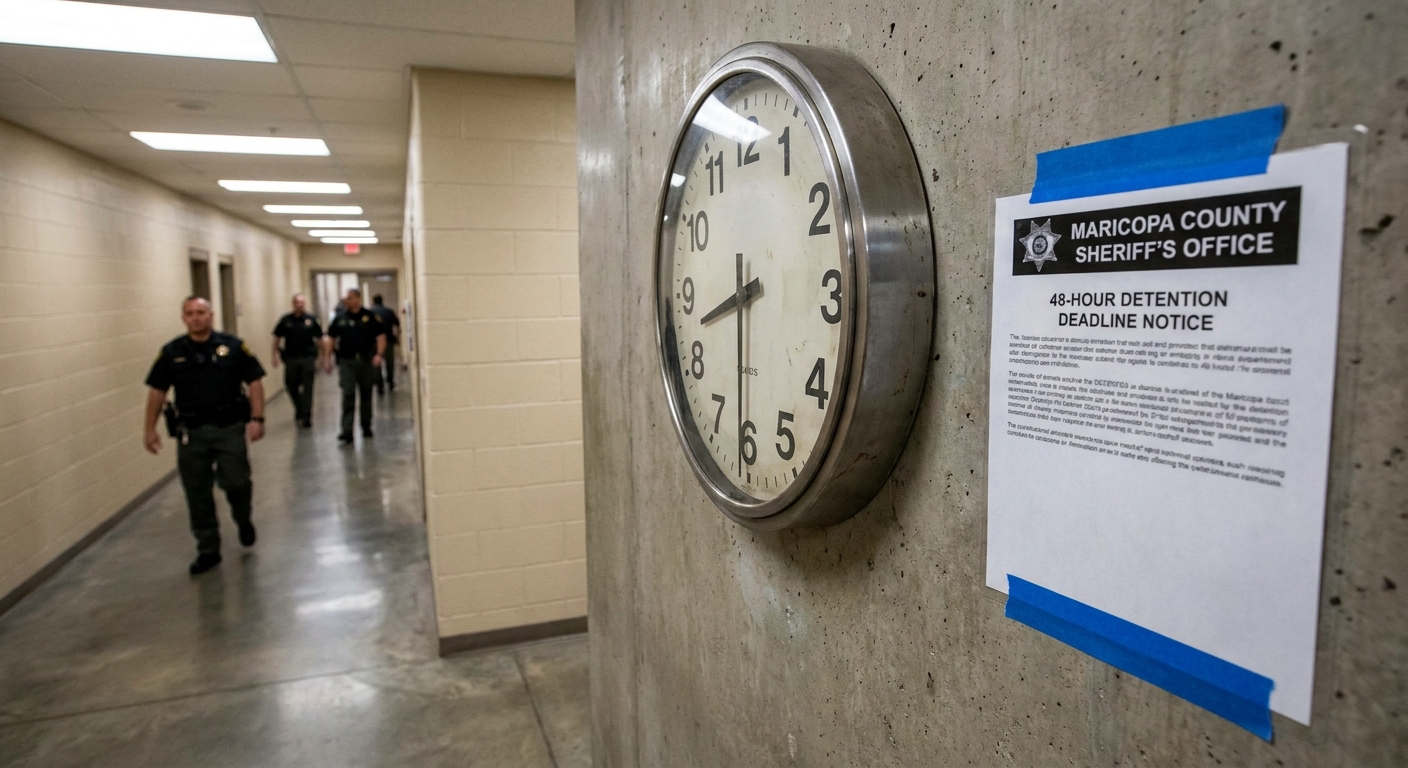
An immigration detainer and the 48 hour hold in Maricopa County
What an immigration detainer really means for a 48 hour hold in a Maricopa County jail, and the exact steps families should take before that window closes.
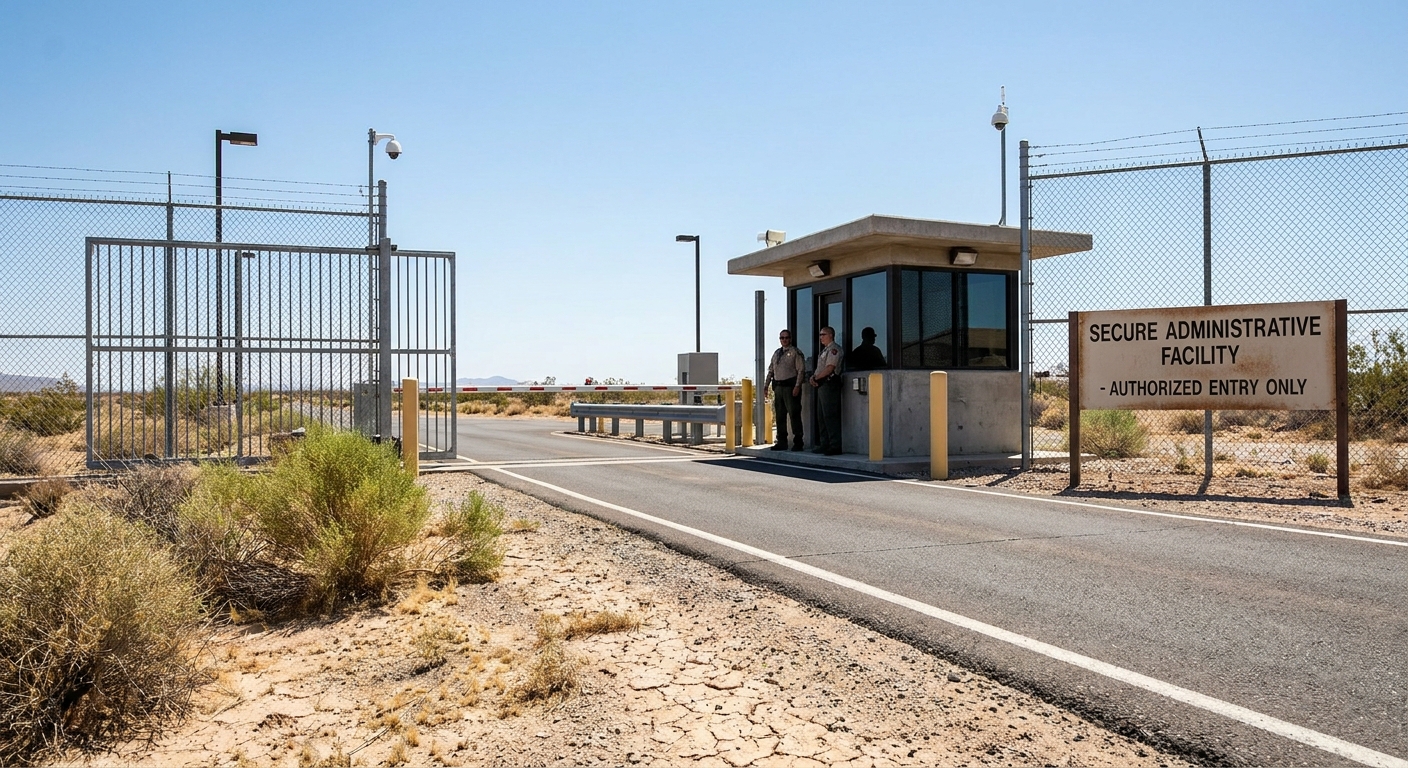
Preparing for your hearing at the Florence immigration court
The Florence immigration court operates inside one facility, but a nearby complex often gets confused with it. Here is how to tell them apart.

How the judge decides if you go home at an immigration bond hearing
An immigration bond hearing decides if you can leave detention while your case continues. Here is what the judge weighs before deciding your case.
Your privacy, your choice
With your permission, Google Analytics and Microsoft Clarity help us understand site use. Google Ads and Meta measure advertising. You can decline all or choose each category. Forms work with any choice.
Checked options stay off until you save them.