

Cancellation of Deportation and Adjustment of Status When Residency Is Possible
Table of contents
Estimated reading time: 7 minutes
When facing possible deportation or detention, it is natural to seek clear answers and real options to remain in the United States. In certain cases, cancellation of removal and adjustment of status may offer a legal path to stop removal proceedings and, when specific requirements are met, move forward toward permanent residence.
From our team in Phoenix, we support each case with clarity, strategy, and human sensitivity. If you are facing deportation proceedings or the risk of detention, our Immigration Lawyers Specializing in Deportations defense can analyze your situation and explain your options.

Is it possible to obtain permanent residence while in deportation proceedings?
Yes, it is possible in specific cases, but it is not automatic and does not apply to everyone in deportation proceedings. U.S. immigration law allows certain individuals to request cancellation of removal as a defense against deportation and, if strict requirements are met, obtain lawful permanent residence through adjustment of status.
This type of relief is intended for individuals who are already in the United States, have strong family ties, have demonstrated continuous presence, and can prove that their deportation would cause exceptional hardship to a U.S. citizen or lawful permanent resident family member.
In practice, obtaining permanent residence while facing deportation depends more on the strength of the case than on the process itself. It is not enough to have lived in the country for many years or to have family; it is necessary to demonstrate, with clear and well-organized evidence, that the case meets the legal standards required by the immigration judge.
For this reason, before filing any application, it is essential to undergo a professional legal evaluation. An early analysis helps determine whether cancellation of removal and adjustment of status are realistic options or whether other forms of immigration relief should be explored.
Cases in which cancellation of removal may or may not lead to permanent residence
Cancellation of removal can become a real path to permanent residence when several key factors are present, including:
-
Continuous and well-documented presence in the United States over a prolonged period
-
Children, spouse, or parents who are U.S. citizens or lawful permanent residents
-
Clear evidence that deportation would cause exceptional and extremely unusual hardship to those family members
-
A history free of serious criminal offenses or immigration violations that would bar relief
-
Evidence of family, employment, and community stability
When these elements are properly documented and strategically presented before the court, the judge may cancel the removal and grant lawful permanent residence.

Cases in which it typically does not lead to permanent residence
There are situations in which cancellation of removal is generally not a viable option, even if the person has lived in the United States for many years. Common examples include:
-
Lack of a qualifying family member who legally depends on the applicant
-
Inability to demonstrate the level of hardship required by law
-
Insufficient period of presence or inconsistent proof
-
Serious criminal history or factors affecting good moral character
-
Cases filed without a clear strategy or with incomplete documentation
In these scenarios, initiating the process without a prior legal evaluation may increase the risk of a final order of deportation.
Understanding from the outset whether a case can or cannot lead to permanent residence allows individuals to make informed decisions, avoid false expectations, and focus efforts on the most appropriate strategy. In many cases, identifying early that cancellation of removal is not viable opens the door to exploring other, more suitable forms of immigration relief.
How does the current immigration enforcement climate affect cases?
The current immigration environment is more restrictive and less predictable than in previous years. Authorities are applying legal criteria more rigorously, which means weak or poorly documented cases have less margin for error.
This does not eliminate existing legal options, but it does raise the standard of proof. Today, judges and agencies examine factors such as continuous presence, consistency of evidence, immigration history, and overall credibility more closely. In practice, the current climate requires:
-
Stronger and more organized documentation
-
Well-defined strategies from the outset
-
Precise filings submitted within deadlines
-
Less improvisation and more planning
Individuals with genuine family or humanitarian factors may still qualify, but the difference often lies in how the case is built and presented, not merely in meeting minimum requirements.

What to do now if you believe your case may qualify
If you are facing deportation proceedings or fear possible detention, now is the time to act, before options become more limited. The first step is not filing forms, but honestly evaluating the real viability of the case. From there, the appropriate path usually includes:
-
Requesting a professional legal evaluation to confirm whether cancellation of removal and adjustment of status are realistic options
-
Gathering and organizing evidence of continuous presence, family ties, and hardship
-
Creating a clear timeline that explains your immigration history
-
Defining a strategy before any hearing or formal filing
Acting without a clear plan can close important doors. In contrast, early preparation allows weaknesses to be addressed and the case to be presented more solidly before the immigration judge.
Our team in Phoenix analyzes each situation with a practical approach: determining whether a real legal opportunity exists and, if so, building a responsible strategy to move forward. If you believe your case may qualify, an early evaluation can make the difference between losing an opportunity and taking advantage of it.
FAQ about Deportation Cancellation and Adjustment of Status
What kinds of evidence help show hardship and ties to stay?
Evidence of hardship and strong community ties is central to eligibility. Helpful documents include birth and marriage certificates, tax records, proof of continuous U.S. presence, letters from family and community describing hardship if you are removed, and records showing residency and stability. Translation and organized timelines matter too. A qualified attorney can help select the right mix of documents and explain how they fit your cancellation and adjustment plan.
How do I start the process if I am facing detention or removal?
Starting the process is most effective with a professional evaluation. Contact a qualified immigration attorney to review your case, especially if you face detention or removal. Gather identity documents, proof of residency, family ties, and any evidence of hardship. They will outline a practical filing plan, required forms, and timelines. Stay prepared for interviews or hearings, and lean on compassionate legal support to navigate policy changes.
What is the role of family relationships in eligibility?
Family relationships are important but not the only factor. Strong ties to U.S. citizens or lawful permanent residents can support eligibility, especially when the hardship to your family is clear if you are removed. This includes dependent children, spouses, or elderly relatives. A lawyer will help you document these bonds with affidavits, school records, medical needs, and consistent residence to show stability and community integration.
How does the current enforcement climate affect eligibility and what can I do?
The enforcement climate can affect how agencies read your case, so solid documentation matters more than ever. While it may be tougher, people with compelling family or humanitarian factors can still qualify if you provide clear records of residency, stability, and hardship. Focus on precise timelines, gather complete evidence, and file on time. Your attorney will monitor policy updates from DHS and other authorities to adapt your plan.
What should I do today to prepare for a potential filing?
Today, start with a case review from a trusted attorney to assess your options. Begin collecting essential documents: identity papers, proof of residency, family relationships, and any hardship records. Organize everything with clear dates and translations if needed, and create a simple timeline of events. Discuss a realistic filing plan and deadlines, and establish a communication schedule so the team can coordinate with USCIS or DHS when needed.
Sources and official resources
- EOIR: Learn About Immigration CourtOfficial source
- USCIS Policy ManualOfficial source

Jessica Anleu (formerly Jessica Lewis) is an experienced immigration lawyer in Phoenix with a decade of immigration experience.
All PostsRelated Posts
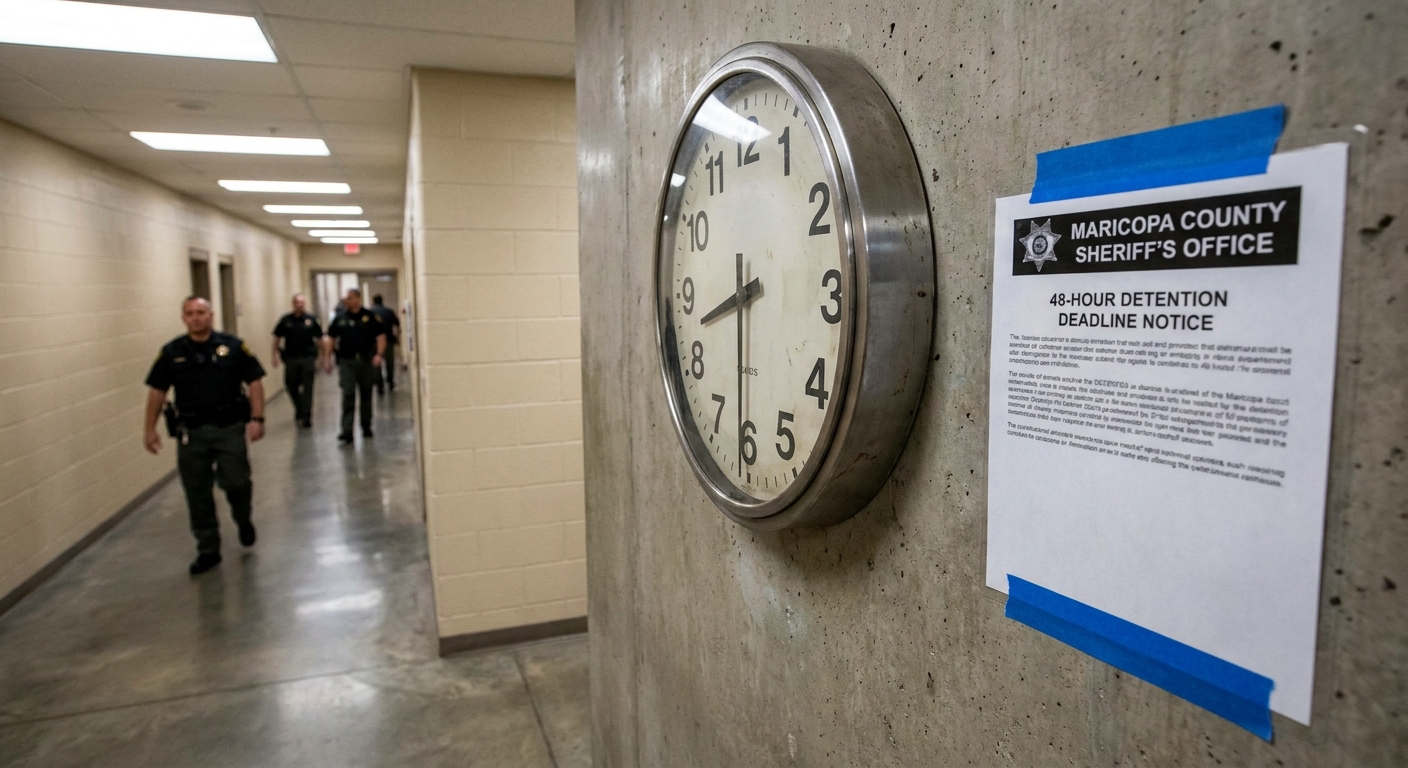
An immigration detainer and the 48 hour hold in Maricopa County
What an immigration detainer really means for a 48 hour hold in a Maricopa County jail, and the exact steps families should take before that window closes.

Preparing for your hearing at the Florence immigration court
The Florence immigration court operates inside one facility, but a nearby complex often gets confused with it. Here is how to tell them apart.

How the judge decides if you go home at an immigration bond hearing
An immigration bond hearing decides if you can leave detention while your case continues. Here is what the judge weighs before deciding your case.
Your privacy, your choice
With your permission, Google Analytics and Microsoft Clarity help us understand site use. Google Ads and Meta measure advertising. You can decline all or choose each category. Forms work with any choice.
Checked options stay off until you save them.