

How to Locate a Person Detained by ICE?
Table of contents
Texto de lectura estimada: 6 minutos
When you ask how to locate a person detained by ICE, you’re seeking practical steps that can bring clarity during a frightening time. The journey often starts with the ICE Online Detainee Locator System, a public tool designed to confirm whether someone is in ICE custody and, if so, where they are being held. We provide clear, step-by-step guidance to help you navigate this process and avoid unnecessary delays.
We know this is overwhelming. We are here to support you as a team, coordinating information, contacting field offices, and helping you stay connected with loved ones. If you need tailored assistance, contact.

What is the current detention landscape and how to locate a person detained by ICE?
For anyone asking how to locate a person detained by ICE, the starting point is the ICE Online Detainee Locator System, the public portal that indicates whether a person is in custody and where they are held. As ICE’s footprint expands beyond traditional detention centers, the locator can become less straightforward to interpret.
However, the system isn’t perfect. Detainees can be held in local jails, hospitals, or other facilities not immediately listed; transfers between CBP, BOP, and contracted sites can take time to appear. This expansion explains why families often need to pursue multiple avenues to verify a loved one’s status.
If you cannot locate a detainee using ODLS within 24–48 hours after arrest, contact the ICE Enforcement and Removal Operations (ERO) field offices directly for updates, or try contacting the ODLS guidance page for additional tips.
How can families best navigate detention updates and find loved ones?
Effective searching combines ODLS checks with direct inquiries to facilities and ICE offices. Prepare essential details: full name, date of birth, possible aliases, and any identifiers you have, then keep a running log of contacts and responses. This is the kind of practical approach that helps you manage expectations and respond quickly when new information appears, especially when you’re asking how to locate a person detained by ICE.
If you see a discrepancy or a missing record, you may need to contact the CBP guidance on detention for interim steps, or reach out to ICE ERO field offices for updates—not all locations are listed immediately in ODLS.
Remember, persistence matters. The public locator is a critical first step, but families often need to reach out to multiple sources and document every communication to protect due process and family unity. For more detailed guidance, you can consult official resources on the ODLS and related procedures to learn more about how to locate a person detained by ICE.
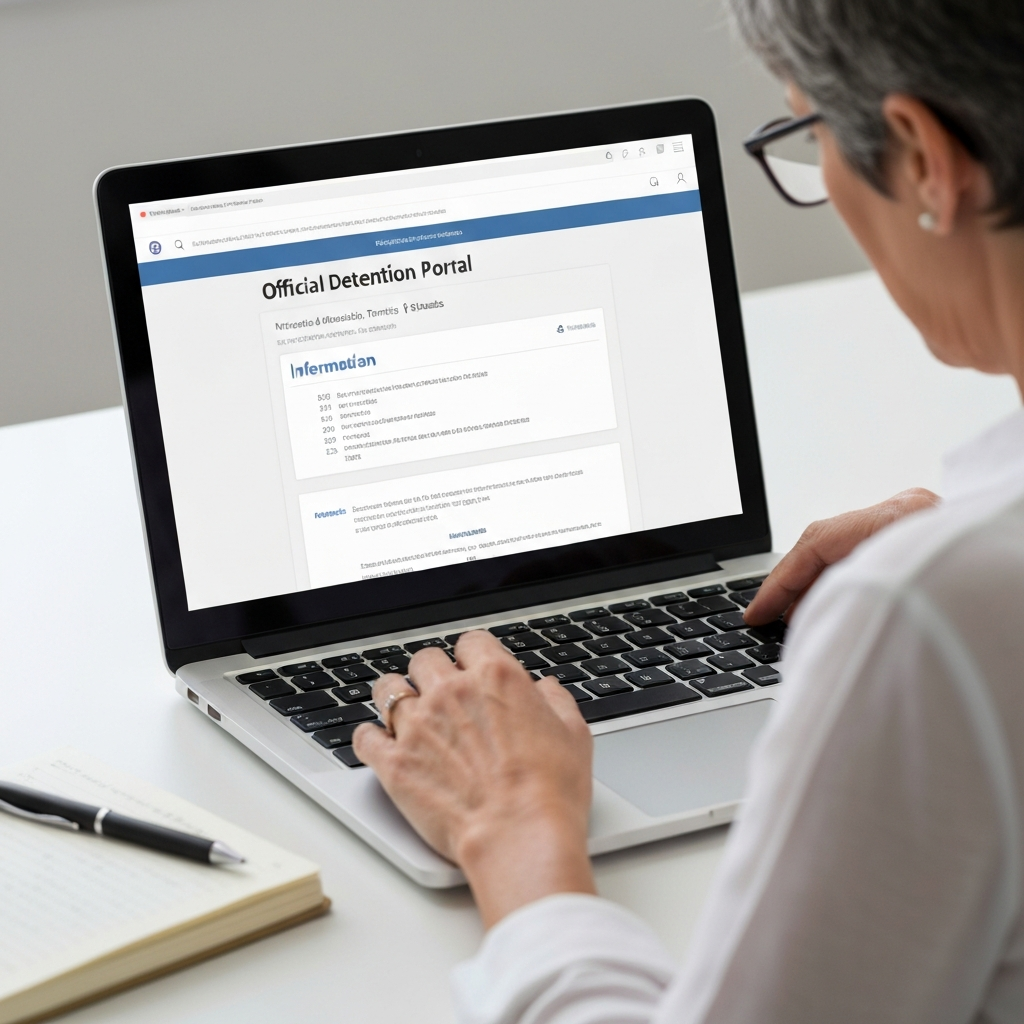
Steps to take when ODLS shows no results
Begin by verifying spellings and checking common name variations (e.g., middle initials, nicknames). Search both with and without hyphens, and consider alternate birth dates if listed. If a match appears in a different facility, you’ll want to verify the transfer status with the relevant office.
Next, contact the ICE field office serving the detention region. Request the detainee’s current location and any transfer notes. If you cannot obtain timely information, document your requests and keep calling; some updates appear in ODLS only after transfers are logged.
As you navigate this process, remember that a lawyer or accredited representative can help you prepare a request for detention records or liaison with authorities. This proactive approach can reduce delays and preserve communication with your loved one, especially when you are trying to determine how to locate a person detained by ICE.

What to do if the detainee is in a nontraditional facility
When a person is held in a nontraditional facility—such as a local jail under contract, a hospital, or a BOP facility— the ODLS may not reflect the entry immediately. In these cases, you should directly contact the holding facility to confirm custody status and request any available contact information for legal counsel.
Reach out to the appropriate ICE field office to verify transfers and listing status. If you have a detainee’s A-number or known alias, share it along with birth date to minimize confusion. Always document every inquiry you make or receive.
In parallel, you may seek public resources and guidance from official channels to understand your rights and options. Our team can help you craft a tailored plan to locate and communicate with the detainee, while safeguarding due process. This is part of how to locate a person detained by ICE with a practical, action-focused approach.
In summary, locating a detainee in today’s expanded detention network requires persistence, clear information, and the right official channels. At YSL Immigration Lawyers, we provide guidance and practical support to families facing this challenge, from initial searches to coordinating communications with ICE and facilities. Reach out for a personalized plan and compassionate help through every step.
FAQ: how to locate a person detained by ICE
How do I start the search if ODLS doesn’t show results right away?
If the ODLS shows no results, begin by double-checking spellings, variations of the name, middle initials, nicknames, and birth dates, and search with and without hyphens. If nothing appears, contact the ICE field office serving the region to request the detainee’s current location and any transfer notes. Document every inquiry, and continue following up; ODLS updates often lag behind transfers, so persistence is essential for locating a loved one.
What details should I gather before contacting authorities about a detainee?
Have full name, date of birth, possible aliases, known A-number if available, approximate arrest date, and any identifiers. Keep a log of all calls, emails, and dates. Note the facility names you are told and the ICE office you contact. This prepared information helps you verify status quickly, reduces back-and-forth, and builds a record to support a request for detention records.
How can families stay coordinated during the detention update process?
Create a simple, shared plan with clear roles: who checks ODLS, who calls facilities, and who tracks responses. Set daily check-ins and store contact information in one accessible place. Maintain a running log of dates, names, and responses, and ask for written confirmations when possible. A coordinated approach reduces panic, speeds clarification, and ensures you don’t miss new postings about transfers or custody status.
What should I do if the detainee is in a nontraditional facility?
If held in a local jail, hospital, or other nontraditional site, ODLS may not show immediate entries. Call the facility directly to confirm custody and request current contact information for legal counsel. Also reach the appropriate ICE field office to verify transfers and listing status. Share the detainee’s A-number or aliases plus birth date to avoid confusion, and document every inquiry.
How can lawyers help in locating and communicating with detainees?
A lawyer or accredited representative can guide you through detention records requests, liaise with authorities, and help draft clear inquiries that protect due process. They can coordinate with ICE ERO field offices, facilitate interpreter needs, and request transfer notes. They also help families prepare for possible outcomes, maintain confidential communications, and ensure rights are respected while you pursue swift, accurate updates about your loved one.
Sources and official resources
- ICE Online Detainee Locator SystemOfficial source
- CBP guidance on detentionOfficial source
- EOIR: Learn About Immigration CourtOfficial source
- USCIS Policy ManualOfficial source

Jessica Anleu (formerly Jessica Lewis) is an experienced immigration lawyer in Phoenix with a decade of immigration experience.
All PostsRelated Posts
An immigration detainer and the 48 hour hold in Maricopa County
What an immigration detainer really means for a 48 hour hold in a Maricopa County jail, and the exact steps families should take before that window closes.
Preparing for your hearing at the Florence immigration court
The Florence immigration court operates inside one facility, but a nearby complex often gets confused with it. Here is how to tell them apart.
How the judge decides if you go home at an immigration bond hearing
An immigration bond hearing decides if you can leave detention while your case continues. Here is what the judge weighs before deciding your case.
Your privacy, your choice
With your permission, Google Analytics and Microsoft Clarity help us understand site use. Google Ads and Meta measure advertising. You can decline all or choose each category. Forms work with any choice.
Checked options stay off until you save them.