
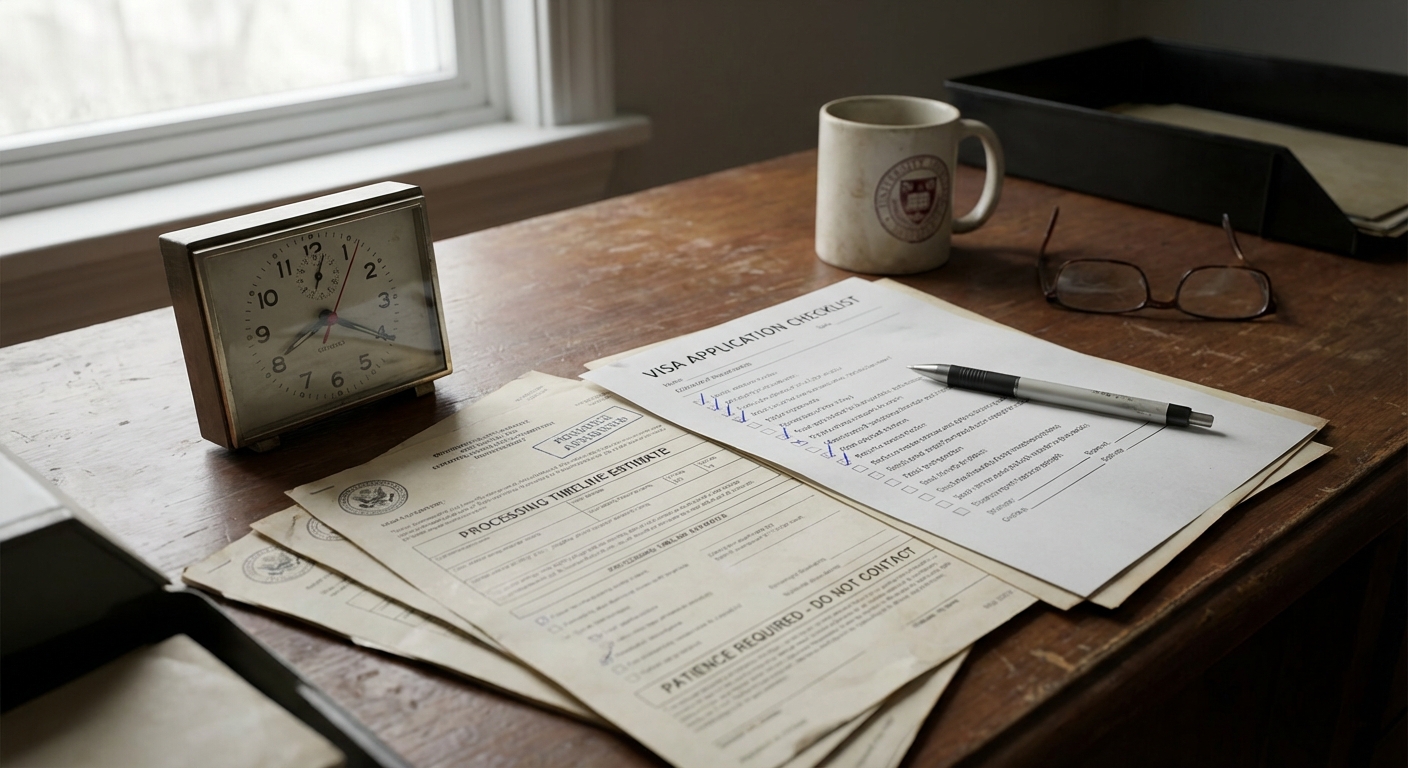
How Long Does the Work Permit Take Under VAWA, and What Factors Influence the Process
Table of contents
Estimated reading time: 8 minutes
Waiting for a work permit while going through a VAWA process can feel like your life is on pause. You need stability, income, and the peace of mind of knowing you can move forward without depending on anyone. While there is no single timeline, in today’s environment many work permit (I-765) applications end up moving within an estimated window of 3 to 12 months (and sometimes longer), depending on the basis you file under and whether USCIS requests additional evidence.
At Zava Immigration Law, we support you with empathy and strategy so you are not moving forward in the dark. We review your situation, organize your evidence, and build a realistic timeline plan. If you need help or guidance, our VAWA attorneys can help you choose the correct basis for your work permit, prepare error-free forms, and respond on time to any USCIS request.

How long does a VAWA work permit take?
Processing times vary because not all VAWA cases are at the same stage, and not everyone requests a work permit under the same basis. To plan more effectively, it helps to think in ranges that tend to repeat based on the situation:
- If the work permit is requested based on a pending adjustment of status (category (c)(9)): based on public data and recent analysis, a typical range falls around 6 to 9 months in many cases, though it can be shorter or longer depending on workload and the center processing the file.
- If USCIS issues a Request for Evidence (RFE): it is common for the process to extend by 1 to 4 additional months, depending on how quickly and thoroughly you respond and how long USCIS takes to resume review.
- After I-765 approval: the final step is usually faster. Once approved, the card is often produced in about 2 weeks and then mailed out.
These ranges are a practical guide to reduce uncertainty, but your case can fall outside them if there are case-specific factors (for example, pending biometrics, inconsistencies in the filing package, or higher workload at the assigned center).
What does that timeline depend on?
Certain factors almost always determine whether the process moves smoothly or drags out. These are the most important:
- The correct basis for requesting the EAD: the work permit is filed on a specific form and under a category that must match your situation. If the basis is not correctly identified or supported with evidence, USCIS is more likely to delay or request clarification.
- Requests for Evidence (RFEs): if USCIS believes information is missing or needs confirmation, it may issue an RFE. This often extends the process because the case is “paused” until you respond, and then it returns to the queue for review.
- Biometrics and background checks: some cases require a fingerprint appointment or additional verifications. If biometrics must be scheduled or repeated, that adds time.
- Quality and consistency of the filing package: simple errors cause delays. Common examples include missing signatures, incomplete translations, dates that do not match across documents, incorrect addresses, disorganized evidence, or an unclear narrative.
- USCIS workload: even when a case is well prepared, timelines can stretch when there is a backlog. You cannot control that, but you can control whether your filing is strong enough to avoid preventable delays.
What usually sets the pace of the case?
In most situations, progress is defined by specific “milestones.” If one gets complicated, everything takes longer:
- Receipts and intake processing: USCIS confirms it received your application and your case enters review.
- Biometrics (if applicable): an appointment is scheduled or prior fingerprints are reused, depending on the case.
- Substantive review: this is where USCIS decides whether the file is complete or whether an RFE is needed.
- Decision and issuance: once approved, the card is produced and mailed.
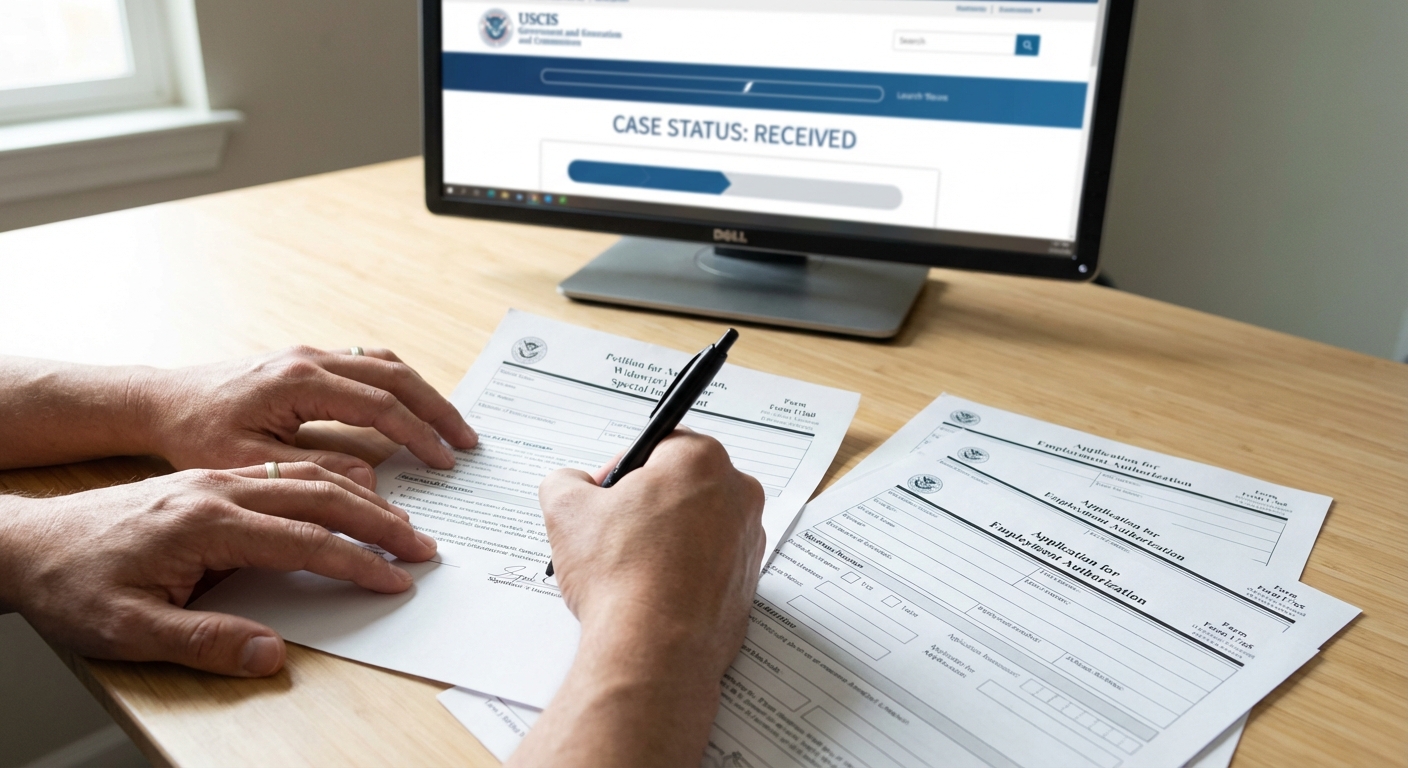
What can you do to improve timing and reduce delays?
There are no guaranteed shortcuts, but there are actions that often make a real difference:
- Set the right strategy before filing: this includes confirming which EAD basis applies in your case and what evidence must support it.
- Submit a package that is easy to review: when everything is organized, USCIS can understand faster what it needs to see. Best practice includes an index, separators, evidence grouped by topic, and complete consistency across dates and details.
- Avoid “silent” errors: before mailing, double-check signatures, complete pages, translations, payments, addresses, and that no required attachment is missing.
- Prepare for a possible RFE: having additional supporting evidence ready reduces your response time if USCIS requests it.

What options do you have if the timeline stretches out?
If your case is taking longer than expected, the key is to act methodically, not out of panic:
- Verify your address and notifications: make sure you are receiving everything USCIS sends. A missed RFE can seriously complicate a case.
- Confirm whether an RFE is pending and respond correctly: responding quickly helps, but responding fully and clearly helps more.
- Check case status and milestones: identify where it is stuck—biometrics, review, evidence, or card production.
- Evaluate with an attorney whether there is a basis to request an expedite: in some scenarios it may be attempted, but it must be supported properly and it is not available for everyone.
If you want us to review your case and build a realistic timeline, our VAWA attorneys can help you choose the right path, prepare the I-765 without errors, and support your filing with clear evidence, with confidentiality and compassionate guidance.
Frequently asked questions about how long it takes to get a work permit under VAWA
Why does the VAWA work permit timeline vary from person to person?
The VAWA work permit timeline varies because USCIS processing times shift, your petition’s completeness matters, and sometimes extra evidence is requested. Backlogs and changes in policy or resources also affect speed. If you file a thorough package and respond promptly to any requests, you reduce delays. Even small gaps, like missing documentation or unclear statements, can extend the timeline, so careful preparation helps you plan for work sooner.
What practical steps can I take now to help speed up my EAD application?
To help speed up the EAD process, start with a complete I-360 and strong proof of VAWA eligibility, including abuse evidence and relationship to the petitioner. Organize identity documents, certificates, translations, and letters from professionals. Keep a clear employment intent and ensure forms are accurate. Create a filing checklist, track dates, and respond quickly to any USCIS requests. A prepared applicant reduces time waiting and builds employment stability faster.
What documents should I prioritize to support my I-360 and I-765 submissions?
Prioritize documents that prove VAWA eligibility and the abuse context, including protective orders, police reports, and relationship proof. Gather identity papers, birth or marriage certificates, and certified translations. Include evidence of good moral character if needed, tax records, bank statements, and work history. Add a personal statement clarifying your situation and employment goals. A well-organized packet helps USCIS understand your case and can shorten processing time.
How does a request for evidence affect processing time and how should I respond?
When USCIS issues a request for evidence (RFE), answer promptly and thoroughly. Missing information or unclear documents can stall your case, so provide clear translations, comprehensive explanations, and organized copies. Keep track of deadlines, consult your attorney, and update your file if plans or circumstances change. A timely, well-supported response often shortens the overall processing time and keeps you on track toward your work permit and residency goals.
What role can a lawyer play in creating a realistic timetable for my case?
A skilled immigration attorney helps you map a realistic timetable by reviewing your facts, creating a personalized plan, and coordinating document gathering. They can explain current processing patterns, flag potential delays, and prepare you for RFEs. Working together, you gain clarity and reduce anxiety, knowing you have a step-by-step path toward employment authorization and, eventually, permanent residency that fits your life.
Sources and official resources
- USCIS: Immigration Options for VictimsOfficial source
- USCIS Policy ManualOfficial source

Jessica Anleu (formerly Jessica Lewis) is an experienced immigration lawyer in Phoenix with a decade of immigration experience.
All PostsRelated Posts
An immigration detainer and the 48 hour hold in Maricopa County
What an immigration detainer really means for a 48 hour hold in a Maricopa County jail, and the exact steps families should take before that window closes.
Preparing for your hearing at the Florence immigration court
The Florence immigration court operates inside one facility, but a nearby complex often gets confused with it. Here is how to tell them apart.
How the judge decides if you go home at an immigration bond hearing
An immigration bond hearing decides if you can leave detention while your case continues. Here is what the judge weighs before deciding your case.
Your privacy, your choice
With your permission, Google Analytics and Microsoft Clarity help us understand site use. Google Ads and Meta measure advertising. You can decline all or choose each category. Forms work with any choice.
Checked options stay off until you save them.