

What happens when a deportation cancellation is approved and what rights are obtained?
Table of contents
Estimated reading time: 7 minutes
When an approved cancellation of removal is granted by an immigration judge, it is not simply about “winning the case.” It means that the judge has formally decided to stop the removal proceedings and grant immigration relief with concrete legal effects. For many people, this moment represents the end of the immediate threat of deportation and the beginning of a new immigration stage within the United States.
However, even if the decision is favorable, there may still be subsequent steps, possible appeals, or administrative details that must be properly understood. For that reason, having immigration attorneys who specialize in deportations can help evaluate what comes next after approval and how to protect the newly obtained status.

What happens immediately after the judge approves the cancellation?
When the judge grants cancellation of removal in court, the first thing that happens is that the removal order that was in process is formally canceled. This means that the person is no longer subject to being deported under that specific proceeding.
However, the decision is not always final at the exact moment it is announced. The Department of Homeland Security (DHS) may reserve the right to appeal. If the government does not appeal within the established timeframe, the decision becomes final. If there is an appeal before the Board of Immigration Appeals (BIA), the case may continue until a final resolution is issued.
In cases of cancellation for individuals who were not lawful permanent residents, the annual cap on approvals permitted by law must also be considered. There is a maximum limit of 4,000 cancellations per fiscal year for non-residents, which may influence the moment when the status is administratively formalized.
Is permanent residence obtained automatically?
It depends on the type of cancellation granted. In the case of cancellation for lawful permanent residents (LPR cancellation), the person was already a legal resident before the deportation process. Approval allows the person to retain permanent residence and continue with that status without losing the green card.
By contrast, in cancellation for non-residents (Non-LPR cancellation), the judge’s approval grants the right to become a lawful permanent resident. Once the decision is finalized and the administrative steps are completed, the person obtains lawful permanent resident status and may receive their green card.
It is important to understand that residence does not “activate” in the same second the judge issues the decision. The process must be administratively formalized, and the timing may vary depending on the case and availability within the annual cap established by law.
What rights are obtained after an approved cancellation of deportation?
An approved cancellation of deportation grants significant immigration rights. Once the status becomes final, the person may:
- Remain legally in the United States
- Work without the need for additional temporary authorization
- Apply for or maintain a Social Security number
- Travel abroad (with precautions and prior legal advice)
- Apply for U.S. citizenship in the future if eligible
- Sponsor certain family members, depending on their status
Additionally, the specific deportation process that was canceled can no longer be executed under the same grounds. However, this does not mean absolute immunity from future immigration violations or crimes that may generate new proceedings. Understanding these rights and responsibilities is key to protecting the newly obtained status and avoiding unnecessary risks.

Can the government appeal the decision?
Yes. Even if the judge announces in court that the cancellation was granted, the Department of Homeland Security (DHS) has the right to reserve appeal. This means that the government may take the case before the Board of Immigration Appeals (BIA) to review the judge’s decision.
If DHS does not reserve appeal at the time of the decision, the ruling may become final more quickly. If it does reserve appeal, there is a legal deadline to formally file the appeal. While that process is pending, the approved cancellation of deportation is not yet final.
If the BIA affirms the judge’s decision, the case is closed and the status is consolidated. If the BIA reverses the decision, the relief may be lost and the deportation process could continue. For that reason, it is essential to understand at what procedural stage the case is before assuming that everything has ended.
Next steps after an approved cancellation of deportation
Once the decision is final and there are no pending appeals, the administrative steps begin. In non-resident cases, the person must wait for the formalization of their status as a lawful permanent resident and the issuance of the green card. In permanent resident cases, the previously obtained status is simply maintained.
It is advisable to update your address with immigration authorities, keep a copy of the judge’s decision, and verify that there are no outstanding administrative issues. It is also prudent to avoid any conduct that could affect the new status, such as prolonged travel without legal advice, criminal issues, or tax noncompliance.
If the person is now a lawful permanent resident, they must begin counting the time required for possible future naturalization, meet the physical presence requirements, and maintain good moral character.

Are there risks after approval?
Although an approved cancellation of deportation represents significant immigration relief, it does not eliminate all obligations nor does it protect against future violations. New crimes, subsequent immigration fraud, or prolonged absences from the country may create problems even after having won the case.
Additionally, if residence was obtained through cancellation for non-residents, any conduct that affects status may have consequences similar to those faced by any other lawful permanent resident.
For that reason, after approval, the focus must shift from defense to status protection. Understanding the limits of the newly acquired right is just as important as having achieved the cancellation.
An approved cancellation of deportation can mean the end of a difficult process and the beginning of immigration stability in the United States. However, it is essential to understand what rights are obtained, when the decision becomes final, and what responsibilities follow. A proper analysis of the stage following approval can make the difference between consolidating status or facing new unnecessary risks.
FAQs about approved deportation cancellation
What does an approved deportation cancellation pause, and what should I expect next?
An approved deportation cancellation pauses removal actions while the decision is being finalized, giving you breathing room to pursue relief or adjustment. During this period you may stay in the United States and continue gathering evidence, attending hearings, and meeting eligibility requirements for other forms of relief. Keep in mind that cancellation is not a guaranteed path to permanent status; a tailored plan with your attorney remains essential.
How can I pursue permanent status after cancellation, and what options should I discuss with my attorney?
After cancellation, you may pursue permanent status through mechanisms such as adjustment of status or family based petitions, depending on your situation. This can be a stepping stone rather than a final grant of protection. Your eligibility criteria must be continuously met and you should avoid new grounds of removal. Discuss with your attorney which route offers the strongest chance of a green card and long term stability.
What rights do I have during cancellation proceedings?
You have the right to effective counsel, a fair hearing, and to present evidence in support of your case. Cancellation often shields you from removal during adjudication and may open options for additional relief. The scope of rights varies by jurisdiction and case facts, so you should work with a lawyer to understand what is guaranteed for you and how to assert it.
How might the current DHS funding stalemate affect my cancellation case, and what practical steps can I take?
The funding stalemate can slow court operations and enforcement actions, causing scheduling shifts and temporary pauses in non essential functions. While your cancellation remains active, stay in regular contact with your attorney, respond promptly to new requests, and keep your documents organized. Track deadlines, confirm eligibility requirements, and be ready if hearings shift. Prompt, complete responses help preserve your record and momentum.
What should I consider regarding travel and future risk after cancellation?
Travel plans after cancellation require careful timing and a clear understanding of limits. Even with relief, you may face travel restrictions, ongoing background checks, and the possibility of new removal if conditions are not met. Maintain a compliant record, follow court orders, and coordinate with your attorney before any trip. Planning ahead can protect your chance for permanent status and reduce disruption for your family.
Sources and official resources
- EOIR: Learn About Immigration CourtOfficial source
- USCIS Policy ManualOfficial source

Jessica Anleu (formerly Jessica Lewis) is an experienced immigration lawyer in Phoenix with a decade of immigration experience.
All PostsRelated Posts
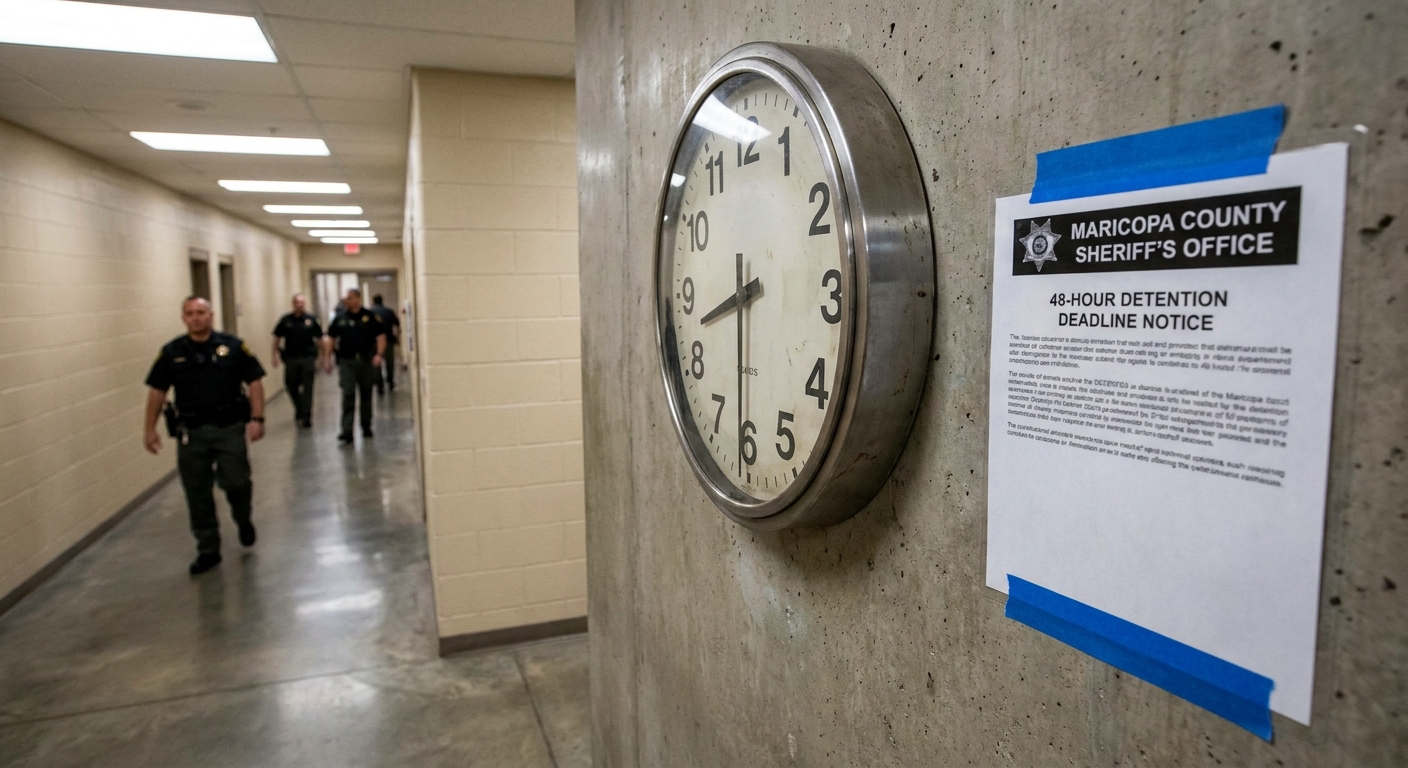
An immigration detainer and the 48 hour hold in Maricopa County
What an immigration detainer really means for a 48 hour hold in a Maricopa County jail, and the exact steps families should take before that window closes.

Preparing for your hearing at the Florence immigration court
The Florence immigration court operates inside one facility, but a nearby complex often gets confused with it. Here is how to tell them apart.

How the judge decides if you go home at an immigration bond hearing
An immigration bond hearing decides if you can leave detention while your case continues. Here is what the judge weighs before deciding your case.
Your privacy, your choice
With your permission, Google Analytics and Microsoft Clarity help us understand site use. Google Ads and Meta measure advertising. You can decline all or choose each category. Forms work with any choice.
Checked options stay off until you save them.